

What specific environmental conditions or chemical exposures should be considered when selecting epoxy powder coating for industrial applications?
When selecting epoxy powder coating, assess humidity and moisture, ultraviolet exposure, operating temperature, abrasion, and contact with chemicals such as solvents, acids, alkalis, oils or cleaning agents. The coating specification should match the concentration, temperature and duration of each exposure, as standard epoxy is generally better suited to indoor or protected environments than prolonged outdoor UV exposure.
The correct epoxy powder coating is determined by the complete exposure profile of the component, not simply by the chemical name or the fact that the part is used indoors. Selection should account for the type of contact, the condition of the coating, the metal beneath it, the cleaning regime and the consequences of coating failure. A coating suitable for occasional splashes may be unsuitable for continuous immersion, chemical vapour or repeated wash-down.
Distinguish the type of exposure
- Intermittent contact: brief splashes or spills generally create less demanding conditions than liquid trapped against the surface.
- Repeated wash-down: frequent cleaning can cause gradual degradation, particularly where detergents, disinfectants or pressurised water reach cut edges and joints.
- Continuous immersion: tanks, trays, pipework and components below a liquid line require a system specifically assessed for immersion. Permeation through the film can eventually lead to blistering, loss of adhesion or corrosion beneath the coating.
- Vapour or condensate: chemical vapours may settle on cooler surfaces and create a persistent film even where there is no obvious liquid spill.
- Contact under load: seals, clamps, stacked parts and moving interfaces can concentrate pressure and expose small defects, making chemical resistance alone insufficient.
Identify the actual chemical rather than relying on broad categories
Acids, alkalis, solvents, oils and cleaning products vary considerably in strength and formulation. Two products described as degreasers, for example, may contain different solvents or surfactants and may affect cured epoxy in different ways. The assessment should record the product name, concentration, dilution practice, temperature, contact duration and whether the liquid is replenished or allowed to become concentrated through evaporation.
- Fuel, hydraulic fluid and lubricating oil exposure should be considered alongside additives and combustion residues, not just the base oil.
- Acidic or alkaline process liquids may attack the coating more aggressively when heated or repeatedly applied.
- Solvents can soften, swell or dull some epoxy films, especially where exposure is prolonged or mechanical rubbing occurs at the same time.
- Detergents and disinfectants may be relatively mild during short contact but more damaging when used frequently, left to dry or applied at excessive strength.
- Salt solutions and contaminated water can promote corrosion at scratches, edges and poorly sealed joints even when the visible coating remains intact.
Consider temperature cycles, not only the maximum temperature
Repeated heating and cooling can create stresses between the metal and the coating because they expand and contract at different rates. A component that moves from a warm process area into a cool, damp environment may experience condensation, while rapid cooling can expose weak edges and pinholes. Thermal exposure should therefore be assessed across the full operating cycle, including cleaning, storage and transport conditions.
Where a part carries hot liquid or is installed near a heat source, the coating specification should reflect the temperature at the metal surface rather than the general room temperature. Localised heat, such as around welds, heaters or exhaust-related components, can produce a more demanding condition than the surrounding area.
Assess the environment around the whole component
Coating performance can be affected by design features that retain contaminants or water. Crevices, overlapping plates, threaded connections, sharp edges, drain points and horizontal ledges deserve particular attention. A sound coating on an exposed face may not protect a narrow gap where liquid remains trapped. Drainage, ventilation and suitable joint design can reduce the exposure burden before coating is applied.
Consider whether the component is installed near a process producing mist, dust or corrosive deposits. Abrasive particles can wear the surface, while deposits can hold moisture against the film. In coastal, agricultural, waste-handling and heavy-industrial settings, contamination may be irregular and difficult to remove, so the coating system should be selected for the combination of chemical and mechanical attack rather than for one hazard in isolation.
Check the substrate and coating construction
Chemical resistance depends partly on the condition of the metal and the quality of the finished film. Oil, mill scale, rust, salts or residues left during fabrication can interfere with adhesion. Weld spatter, sharp corners and porous castings can also create weak points. Appropriate preparation, edge treatment, film uniformity and complete curing are essential when the component will face aggressive service conditions.
Film thickness should be controlled within the coating system’s specified range. A heavier application does not automatically compensate for unsuitable chemistry, poor curing or a contaminated substrate. Excessive build can create its own defects, while thin areas, recessed sections and inaccessible faces may become the first points of failure.
Use evidence for critical applications
For demanding service, obtain the coating manufacturer’s chemical-resistance data for the actual cured system and compare it with the intended exposure. Generic statements such as “chemical resistant” are not enough unless they identify the relevant substance and conditions. Where the data does not closely match the application, representative test panels or sample components can be exposed to the process liquid and inspected for softening, swelling, blistering, colour change, loss of gloss, cracking and adhesion loss.
Testing should reflect how the part will really be used. A short splash test cannot establish suitability for immersion, and a room-temperature test may not represent a heated cleaning process. Include seams, edges, welds and any intended repairs in the assessment. For safety-critical or high-cost equipment, the specification should also define inspection intervals, permitted cleaning chemicals and the procedure for dealing with spills or coating damage.
Where epoxy is not suitable for the combined chemical, thermal and mechanical demands, the answer may be a different resin technology, a multilayer system or a redesigned component rather than a thicker epoxy film. The final choice should be agreed from the process data, substrate preparation requirements and likely failure consequences before production coating begins.
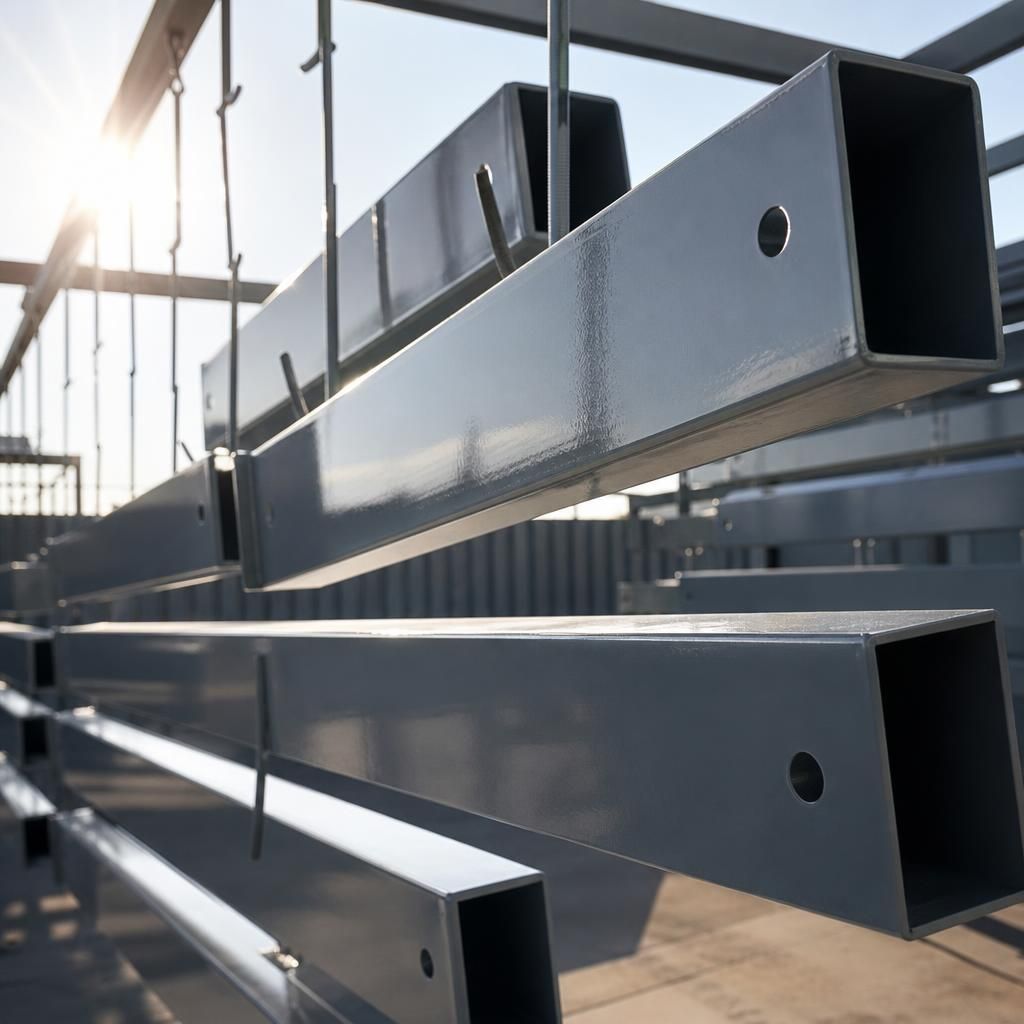
Direct sunlight should be assessed separately from moisture and chemical contact. Epoxy powder coatings can lose gloss, fade or chalk under prolonged ultraviolet exposure, affecting appearance and potentially making the surface easier to soil. If the component is visible outdoors or exposed to strong sunlight through windows, check the cured system’s weathering data rather than assuming that indoor chemical resistance will translate to exterior service.
Where long-term colour retention is important, specify a coating system designed for the expected UV exposure or consider a compatible protective finish. The selection should balance appearance requirements with the component’s actual environmental duty, including whether it is sheltered, periodically wetted or exposed continuously.
Discuss Your Epoxy Powder Coating Requirements
Discuss your epoxy powder coating requirements with the team, including the chemicals, temperatures and environmental conditions the component will encounter. This information can help establish whether epoxy is suitable and what coating specification should be assessed.