

What specific industries benefit the most from using epoxy primer for metal?
Epoxy primer for metal is especially valuable in manufacturing, fabrication, construction and automotive applications where components face moisture, chemicals, abrasion or demanding service conditions. It provides a strong foundation for subsequent coatings, helping protect steel and other metals while supporting durable finishes on parts, structures and equipment.
The industries that benefit most from epoxy primer for metal are those using steel or other metal components in environments where corrosion, chemical exposure, moisture, impact or difficult-to-coat areas could shorten service life. Manufacturing, metal fabrication, construction and automotive applications are particularly suited to epoxy primer because it creates a chemically resistant, well-adhered base for a compatible finishing system.
Manufacturing and industrial equipment
Manufacturers use epoxy primer on machine frames, housings, cabinets, guards, brackets and fabricated assemblies. These components may be exposed to cutting fluids, oils, cleaning chemicals, condensation and repeated handling. An epoxy primer helps seal the prepared metal surface and provides a stable foundation for a topcoat selected for the equipment’s operating environment.
It is also useful where a component has joints, edges, recesses or welded areas that need consistent protection. The primer cannot compensate for poor preparation, but when applied to suitably prepared metal it can reduce the risk of early coating breakdown at vulnerable areas. This makes it relevant to general engineering, process equipment and manufacturers supplying parts into demanding industrial settings.
Metal fabrication and structural steel
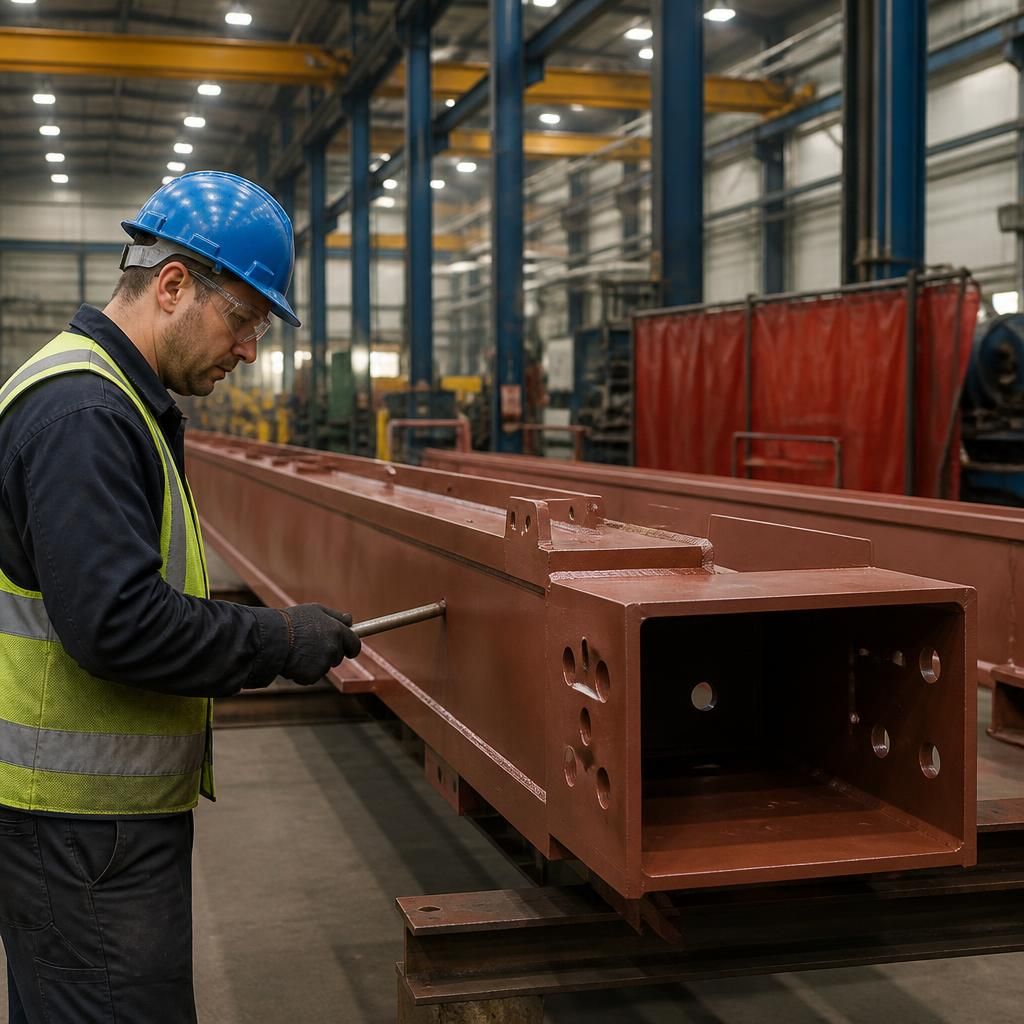
Fabricators benefit when steelwork must withstand outdoor exposure, site handling or contact with damp conditions. Framework, supports, plant platforms, access equipment, brackets and bespoke assemblies can all require more than a decorative finish. Epoxy primer is commonly considered where the coating system needs a strong bond to prepared steel and improved resistance beneath the final coat.
Its value is greatest when the whole specification is treated as a system. Steel grade, weld treatment, blast or mechanical preparation, primer thickness, edge coverage and the chosen topcoat all affect the result. A primer may be selected differently for an internal fabricated component than for steel exposed to weather or industrial contamination.
Construction and building-related metalwork
Construction firms and their supply chains may use epoxy-primed metal for structural and secondary steelwork, plant components, service supports, doors, frames and architectural features. Metal used during construction can be exposed to rain, site dust, abrasion from transport and contact with other materials before the final installation is complete.
Epoxy primer is particularly relevant where the coating must provide a protective base before a decorative or weather-resistant finish is applied. However, the specification should account for the completed building environment rather than only the conditions inside the workshop. Exterior exposure, trapped moisture, coastal air, chemical contamination and contact with masonry or treated surfaces may require a different coating combination.
Automotive and transport-related applications
Automotive manufacturers, repair specialists and transport-equipment fabricators can benefit from epoxy primer on chassis parts, brackets, frames, fabricated panels, enclosures and other steel components. These parts may encounter water, road salt, oils, fuels, stone impact and regular cleaning. A suitable primer helps provide a corrosion-resistant base beneath the finishing coat, especially on components where bare steel would deteriorate quickly.
The correct product and process depend on whether the part is a body component, a structural item, an underbody assembly or a workshop-fabricated accessory. Areas subject to flexing, impact or heat may need a coating system with properties that differ from those required for static, sheltered components. Compatibility with subsequent powder coating or paint should be confirmed before production work begins.
Agricultural, plant and heavy-duty equipment
Metal used in agricultural machinery, trailers, material-handling equipment and industrial plant often faces mud, water, fertiliser residues, oils and mechanical abrasion. These conditions make a sound primer layer important, particularly on fabricated frames, guards, covers and support components. Epoxy primer can be appropriate where the finishing system needs resistance to contamination and a firm bond to prepared metal.
For these applications, design details matter as much as the primer. Drainage, sealed joints, accessible surfaces and protected edges can prevent moisture becoming trapped beneath the coating. A well-selected primer cannot resolve water traps, contamination or inaccessible corrosion sites created by the component’s design.
How to decide whether an industry needs epoxy primer
- Assess the metal’s exposure to water, condensation, chemicals, salts, oils and cleaning agents.
- Consider handling, impact, abrasion, vibration and the expected service temperature.
- Identify whether the component will receive powder coating, wet paint or another compatible finish.
- Specify preparation and application requirements for welds, edges, recesses and previously coated areas.
- Check that the complete coating system is suitable for the intended environment, rather than selecting the primer in isolation.
Epoxy primer is therefore most beneficial in sectors where metal components have a demanding service environment and where coating failure would affect durability, maintenance or appearance. The final choice should be based on the substrate, exposure conditions, preparation standard and compatibility of every layer in the specified system.
The strongest case for epoxy primer is often found where coated metal is difficult or costly to remove for inspection and recoating. Fixed plant, installed service equipment and enclosed assemblies may have limited access once commissioned, so the coating specification should be considered before fabrication and installation. A primer can form part of a system intended to protect the prepared substrate beneath the selected finish, provided the product, surface preparation and topcoat are compatible.
This makes the primer relevant to industries where maintenance access, disruption and component replacement influence the coating decision. The assessment should include how the part will be handled before installation, whether damage can be repaired on site and which areas will remain accessible for future inspection. Epoxy primer is most appropriate when these practical requirements align with the exposure conditions and the complete coating specification.