

How do I know if chromate powder coating pretreatment is suitable for my specific project needs?
Chromate powder coating pretreatment may be suitable when your metal component needs improved coating adhesion and corrosion protection, but suitability depends on the substrate, service environment, required performance and applicable safety or environmental requirements. Confirm the specification with a qualified coating specialist and, where appropriate, assess sample parts before committing to full production.
Chromate powder coating pretreatment is suitable when the complete coating specification requires a chemically prepared metal surface and the proposed chromate system is compatible with the component, production method and compliance requirements. The decision should be based on the whole coating system rather than on the pretreatment alone: the substrate, preparation stage, powder coating, curing conditions, inspection method and intended use must work together.
Start with the project specification
Review the component drawing, coating specification and purchase requirements before selecting a pretreatment. Important details include the required finish, coating thickness, adhesion expectations, corrosion test method, appearance standard and any restrictions on process chemicals. A chromate layer is not a substitute for an appropriately selected powder coating or adequate cleaning. It forms part of a system whose performance depends on consistent preparation and correct curing.
Where a customer or industry specification names a particular conversion coating, its chemistry and application method should be confirmed rather than assumed. Some specifications distinguish between chromate processes and non-chromate alternatives, while others require documented testing of the finished system. The coating supplier should be given the relevant drawings and specification so that the proposed process can be assessed against the actual requirement.
Check the metal and its condition
Different aluminium alloys, zinc-coated materials and other metal substrates can respond differently to pretreatment. The condition of the surface is equally important. Oil, corrosion, mill scale, welding residue, silicone contamination, old paint and fabrication marks may prevent an even conversion layer from forming. Castings, folded sections and welded assemblies may also contain areas that need additional cleaning or preparation.
Ask whether the component has previously been anodised, galvanised, painted or treated with another chemical system. Existing layers may need to be removed, and some materials may require a different preparation sequence. Mixed-metal assemblies deserve particular attention because one process may not produce the same result on every exposed metal. A coating specialist can identify these risks from the material schedule and, where necessary, by examining representative parts.
Consider the component design and process access
Physical design can affect whether pretreatment is practical. Narrow recesses, blind holes, overlapping joints and enclosed sections may retain cleaning or rinsing solutions. These areas can create staining, residues or later corrosion if they cannot drain and dry properly. Threaded holes, precision fits, electrical contact points and machined faces may also need masking or protection.
Define any areas that must remain uncoated before processing begins. Also check whether the added coating system is compatible with dimensional tolerances, assembly clearances and moving interfaces. A design review can prevent a technically suitable pretreatment from creating problems during assembly or inspection.
Match the system to the operating duty
The intended duty should be described in practical terms. Consider contact with moisture, salt, cleaning chemicals, fuels, oils, process fluids, abrasion, heat cycling or outdoor exposure. Also identify whether the part is decorative, structural, enclosed, regularly handled or difficult to replace. These factors influence the powder coating selection, film build, edge coverage and validation programme as much as the pretreatment choice.
Chromate pretreatment may be a strong candidate where adhesion and protection of the prepared metal are important, but it should not be selected solely because it is a familiar process. If the component faces unusual chemicals, sustained immersion, high temperatures or severe mechanical wear, the full coating system may need specialist testing. The required performance should be expressed as a measurable acceptance criterion wherever possible.
Resolve safety and environmental requirements
Confirm the chemistry of the proposed process and the controls required for its use. Chromate systems can involve substances subject to strict handling, storage, worker-protection and waste-management requirements. The relevant distinction between hexavalent and trivalent chemistry may affect the permitted use, documentation and control measures for a project. Requirements can also vary according to the sector, customer supply chain and destination market.
For this reason, procurement and engineering teams should check the applicable UK requirements and any customer-specific restricted-substance list before approval. The coating provider should be able to explain the process documentation, waste arrangements and information needed for the project file. If the required controls are not acceptable for the site or supply chain, a non-chromate conversion coating or another preparation method may be more appropriate, subject to technical validation.
Use representative trials before full production
A sample assessment is particularly useful where the material, geometry or service duty is unusual. Representative parts should include the features most likely to cause difficulty, such as welds, recesses, edges, drilled holes and different metal types. The assessment may include visual checks, coating-thickness measurements, adhesion testing and exposure or chemical testing selected for the application.
Test results should be judged against the agreed specification, not against a general expectation that the surface looks acceptable. Record the substrate, preparation sequence, pretreatment chemistry, powder system, cure conditions and inspection results. This creates a repeatable process for production and helps identify whether a failure relates to cleaning, conversion coating, powder application, curing or component design.
When another approach may be preferable
Chromate pretreatment may be unsuitable where the specified chemistry cannot be used under the project’s compliance controls, where the substrate cannot be prepared consistently, or where the component design prevents effective cleaning, rinsing and drainage. It may also be the wrong choice if the required coating system or customer specification calls for a different conversion treatment.
The practical decision is therefore to compare chromate with validated alternatives, such as a non-chromate conversion process, only after considering the substrate, coating system, test requirements and regulatory position together. A coating specialist can then confirm the process route, identify any design changes or masking requirements, and advise whether representative sample parts should be assessed before the specification is finalised.
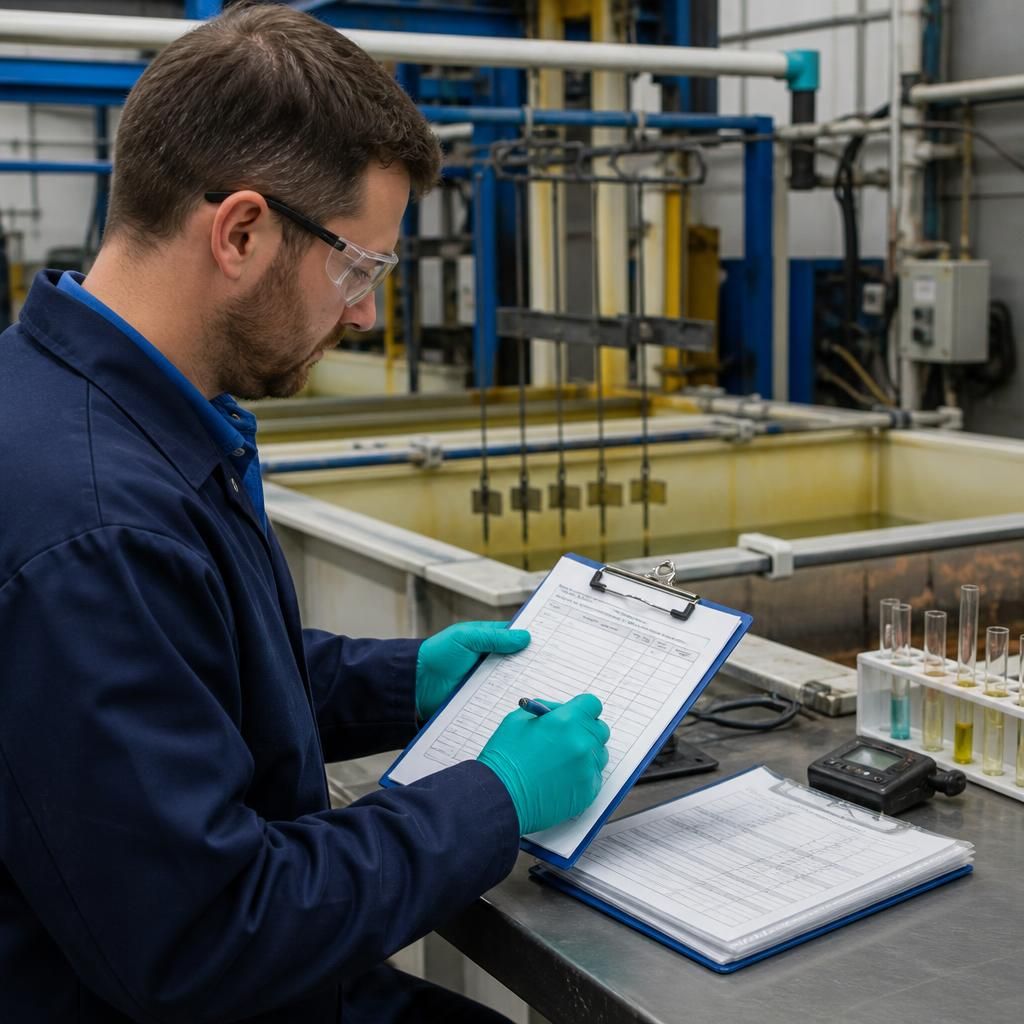
A chromate powder coating pretreatment is only suitable for a project if its process records can support the required quality documentation. For controlled B2B supply, confirm what information will be recorded for each production batch, such as the substrate, preparation route, pretreatment system, powder specification, curing conditions and inspection results.
This traceability is particularly important where coated components form part of a larger manufactured or constructed product. It allows engineering and quality teams to investigate deviations, demonstrate that the agreed process was followed and manage future changes to materials or coating products. Before approval, agree which records, inspection results and conformity documents must accompany the finished components.
Discuss Whether Chromate Pretreatment Suits Your Project
Discuss your component drawing, material schedule and coating requirements with a powder coating specialist to determine whether chromate pretreatment is appropriate. Where suitability is uncertain, ask about assessing representative parts before the specification is finalised.