

Can sandblasting and powder coating be applied to outdoor metal fixtures?
Yes. Sandblasting can prepare outdoor metal fixtures by removing rust, old coatings and contaminants, while powder coating provides a tough finish for external use when the coating system is matched to the metal, exposure conditions and required level of corrosion protection.
Outdoor metal fixtures are suitable for a sandblasting and powder coating system when the substrate, surface condition and expected exposure have been assessed beforehand. The finished system depends on more than the powder itself: abrasive preparation, chemical pre-treatment, coating thickness, edge coverage, curing and the way the fixture will be installed all affect long-term performance.
Preparation must suit the metal. Abrasive blasting removes corrosion products, mill scale, previous coatings and embedded contamination while creating a keyed surface for the powder. The blasting method and pressure need to be controlled, particularly on thin sections, sharp edges or fabricated assemblies that could distort. Residual dust and abrasive must be removed before coating, as contamination can cause pinholes, poor adhesion or visible defects.
Steel fixtures may require additional corrosion-control measures after blasting, especially where they will be exposed to rain, condensation or de-icing salts. Galvanised steel and aluminium also need an appropriate preparation process rather than being treated in exactly the same way as mild steel. The coating specification should take account of the substrate and any existing zinc layer, oxide film or fabrication residue.
Outdoor exposure should determine the coating specification. A fixture sheltered beneath a canopy has different requirements from one exposed continuously to sunlight and rainfall. Coastal or heavily polluted locations can place greater demands on corrosion protection, while high-contact items may need a finish with suitable resistance to abrasion and impact. The powder type, colour, gloss level and pretreatment should therefore be selected for the actual environment, not simply for appearance.
Design details can also influence the result. Water traps, unsealed overlaps and inaccessible recesses may retain moisture and encourage corrosion beneath a coating. Hollow sections may need suitable venting and drainage for safe processing. Welds, folded edges and sharp corners require careful attention because coating coverage can be less consistent in these areas. Any holes, threads, bearing faces or electrical contact points that must remain free of coating should be identified and masked before application.
After the powder is applied, the component is heated so the particles flow, bond and cure into a continuous film. Correct curing depends on the metal reaching the required temperature for the specified time; a large, heavy fixture and a light bracket will not heat in the same way. Under-cured powder may have reduced mechanical performance, while excessive heat can affect the finish or the underlying material. Inspection should include visual checks, coverage of vulnerable areas, coating adhesion and confirmation that critical dimensions and masked surfaces remain usable.
Powder coating is durable, but it is not a substitute for sound design or maintenance. Fixtures should be installed without damaging the film, and cut edges, drilled areas or areas exposed by later fabrication should receive suitable protection. Regular cleaning with a non-abrasive method helps remove deposits that could hold moisture or contaminants against the surface. Harsh chemicals, stagnant water and repeated impact can shorten the life of any external coating system.
For a reliable specification, provide the coating provider with the metal type, dimensions, previous finish, intended location, exposure conditions and any areas that must remain uncoated. For batch or large fabricated items, drawings and photographs can help identify masking, hanging and access requirements before processing. A suitable sandblasting and powder coating system can then be selected around the fixture’s construction and service conditions rather than applied as a generic finish.
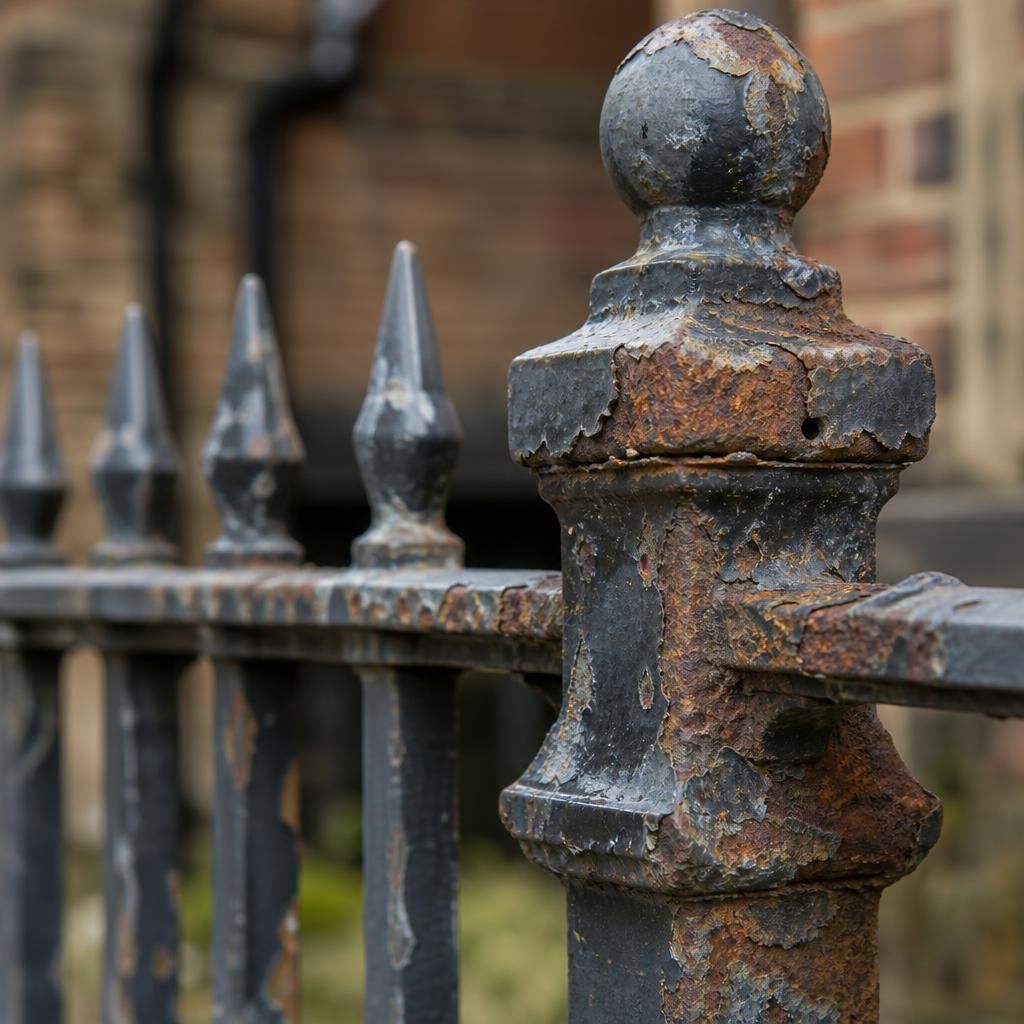
Sandblasting and powder coating can refurbish existing outdoor metal fixtures, but coating cannot restore metal lost through deep corrosion or repair structural damage. Before processing, the fixture should be checked for severe pitting, cracks, distorted sections and weakened welds. Damaged parts may need repair or replacement first; otherwise, the new finish could conceal an underlying failure and provide limited service value.
Where the metal remains sound, removing the failed finish and corrosion provides a suitable basis for a new external coating system. Disassembly can also be useful because it allows concealed faces, joints and contact areas to be assessed rather than leaving inaccessible corrosion beneath the refurbished finish.