

How does temperature affect the primer application in the powder coating process?
Temperature affects the primer’s viscosity, wetting and adhesion during application, as well as the way it cures in the oven. Maintaining suitable, consistent temperatures helps the primer form an even, well-bonded layer and supports a uniform final powder-coated finish.
Temperature affects primer application by changing the condition of the metal, the surrounding air, the primer materials and the equipment used to apply them. Reliable results depend on controlling these factors together rather than judging the oven temperature alone. The correct operating range should come from the primer manufacturer’s technical data sheet, because different chemistries and application methods have different requirements.
Substrate temperature is particularly important. A metal component can be substantially colder or warmer than the workshop air, especially after storage outdoors, washing, blasting or movement between production areas. If the surface is too cold, condensation may form even when the air appears dry. A surface that is too warm can shorten the primer’s usable application window, accelerate solvent release where relevant, or cause the material to behave differently as it is deposited. The component should therefore be allowed to reach a suitable, stable temperature before application.
Temperature must also be considered alongside the dew point. The metal should remain sufficiently above the dew point throughout preparation and priming to prevent invisible moisture developing on the surface. This is important after wet cleaning, during humid conditions and where components have been brought in from a colder environment. If condensation is suspected, the part should be dried and rechecked rather than coated over. Coating a damp surface can trap moisture beneath the primer and create defects that may not become visible until later processing or service.
Ambient temperature influences the application environment. It affects how quickly a prepared surface changes temperature, how long cleaning residues take to evaporate and how consistently the coating equipment operates. Sudden changes, such as opening large doors or transferring parts between areas, can be more problematic than a stable temperature that is slightly different from the target range. A controlled, consistent environment makes it easier to reproduce the same preparation and application conditions from one batch to the next.
The primer itself should be stored and conditioned in accordance with its product information. Material that has been kept too cold may not flow or atomise as intended, while excessive heat can reduce storage stability or alter its application characteristics. Containers should be protected from temperature extremes and used only after the material has reached the specified condition. Where a primer is mixed or agitated before use, temperature should be considered when assessing its consistency; adding solvent or making other adjustments solely to compensate for temperature can take the formulation outside the approved process.
For powder primer systems, the temperature of the powder and the surrounding air can affect how the material feeds through the equipment and how reliably it charges. Temperature-related changes in storage conditions may also contribute to clumping or inconsistent feed. Powder should be kept dry and handled according to the supplier’s instructions. The application team should check that the powder, guns, hoses and recovery arrangements are operating under comparable conditions rather than assuming that an oven setting will correct problems created earlier in the process.
Temperature also affects the interval between preparation, primer application and subsequent coating stages. A component that cools significantly after preparation may need to be checked again for contamination or condensation before priming. Conversely, if a part remains hot from an earlier operation, the primer may not have the intended time to level or release volatile content before the next stage. The permitted recoat interval and any required flash-off period should be taken from the technical data sheet, not estimated from the appearance of the surface.
Oven temperature requires careful interpretation. The programmed air temperature is not necessarily the temperature reached by the metal component. Thick sections, boxed fabrications and assemblies with different material masses heat at different rates from thin sheet or small parts. A valid cure assessment therefore considers the part’s metal temperature and the specified time at that temperature. Underheating can leave the primer insufficiently developed, while excessive heat or dwell can discolour some systems, affect subsequent layers or damage temperature-sensitive components.
Temperature mapping or representative checks can help establish how a particular component behaves in the oven. Large or irregular fabrications may need attention at areas that heat slowly, including enclosed sections, heavy weldments and joints with substantial additional mass. The aim is to confirm that the coldest relevant area reaches the required cure condition without subjecting the rest of the part to unnecessary thermal exposure.
Temperature-related defects are easier to diagnose when process records are kept. Useful checks include:
- air temperature and relative humidity in the application area;
- metal temperature before priming and before entry to the oven;
- dew-point conditions where condensation is a risk;
- primer storage and preparation conditions;
- powder feed and spray equipment settings; and
- the actual part temperature and dwell profile during curing.
Inspection findings can then be compared with the process conditions. Surface moisture, uneven deposition, blistering, pinholing, poor intercoat compatibility or variation between thin and heavy sections may indicate that temperature control needs investigation, although contamination, preparation and equipment settings should also be checked. Temperature is one part of a wider process control system, so it should not be treated as the sole explanation for every coating defect.
In industrial production, the most dependable approach is to define acceptable temperature and humidity limits, verify the component rather than relying only on room readings, and repeat checks whenever the material, part geometry or production route changes. Following the primer supplier’s cure schedule and recording deviations gives the applicator a sound basis for deciding whether a batch can proceed, needs additional inspection or should be reprocessed.
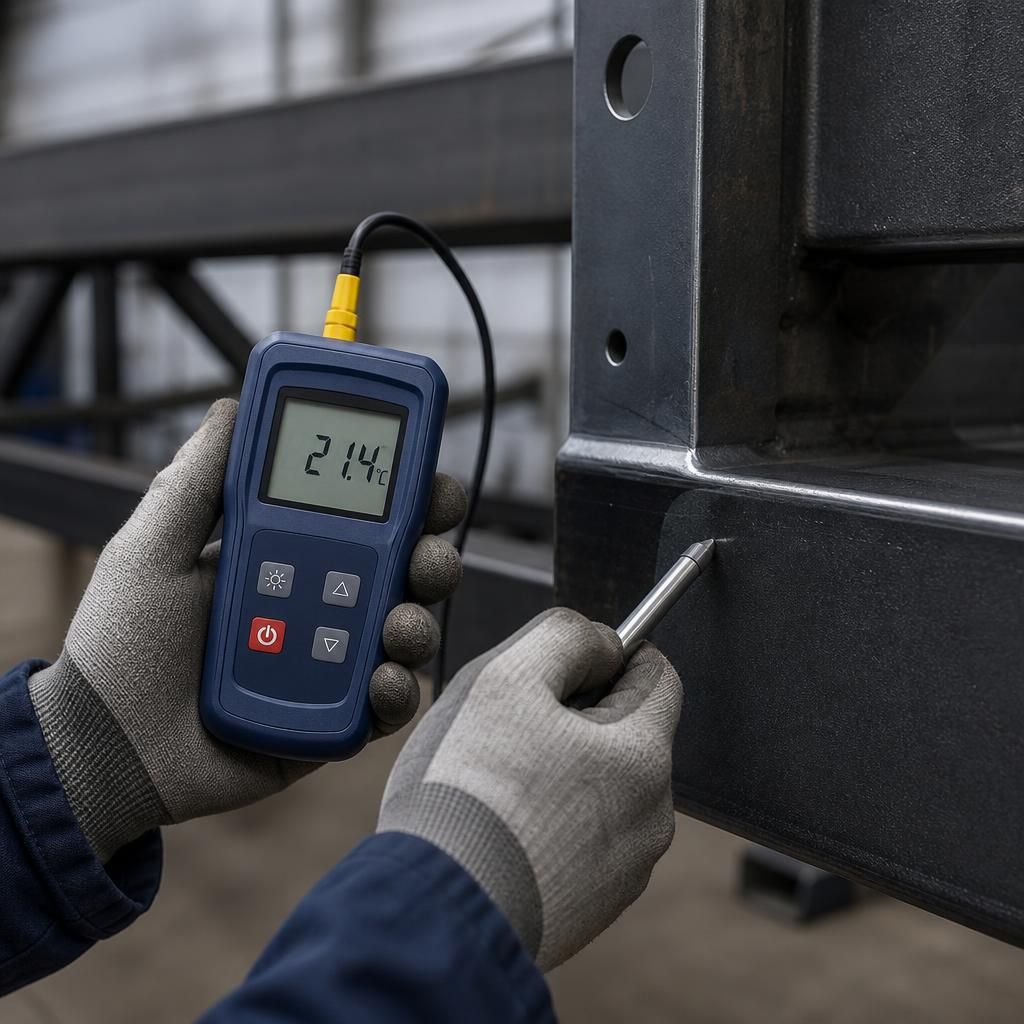
Accurate temperature measurement is essential because the reading from the surrounding air may not represent the component’s actual surface temperature. Infrared readings can also be affected by reflective or highly polished metal, so they should be interpreted carefully rather than treated as definitive.
For dependable primer application, use a suitable calibrated contact probe or another method appropriate to the substrate, and check more than one representative area where the component has different thicknesses or finishes. Consistent measurement helps identify local temperature differences that could affect primer wetting, adhesion or the interval before the next coating stage.
Discuss Temperature Control for Your Powder Coating Primer Process
Discuss your component requirements with a powder coating specialist to establish a suitable primer application and temperature-control process. Share details of the metal type, component geometry and existing preparation route so the coating requirements can be assessed accurately.