

How does RAL 9023 compare to other powder coating options for aluminium in terms of durability and aesthetics?
RAL 9023 powder coating can provide aluminium with durable corrosion and wear protection, but its performance depends more on surface preparation, coating chemistry and finish specification than on the colour itself. Compared with standard solid, textured or anodised-effect options, its pearl dark-grey appearance offers a distinctive, contemporary finish, while the most suitable choice depends on the required level of wear resistance, colour consistency and design style.
RAL 9023 is best compared with other aluminium powder coating options as a colour and appearance specification separate from the coating system itself. Its durability depends on the selected resin, pre-treatment, film build and curing schedule, while its aesthetic advantage is the controlled pearl dark-grey appearance. A standard solid colour may be simpler to reproduce, a textured finish may disguise minor surface irregularities, and a metallic or anodised-effect coating may provide a different visual character.
Durability depends on the powder system
RAL 9023 can be specified in different powder formulations, so the RAL reference alone does not establish resistance to weathering, abrasion, chemicals or impact. For external aluminium, a polyester-based architectural or exterior-grade powder is generally more appropriate than an interior-focused epoxy system. Epoxy powders can provide useful chemical and corrosion resistance, but they are more liable to lose colour or gloss when exposed to ultraviolet light. Hybrid epoxy-polyester systems sit between these uses and must be assessed against the actual service environment.
Where aluminium components face strong sunlight, rain, temperature changes or frequent handling, the relevant technical data should be checked for the proposed product rather than inferred from the colour name. Important information includes the intended exposure category, resistance to gloss loss and colour change, adhesion after pre-treatment, impact performance and resistance to cleaning chemicals.
Comparison with solid powder coatings
Solid colours usually produce the most straightforward visual result. They tend to offer consistent coverage and are relatively simple to inspect for thin areas, contamination or uneven curing. Compared with a pearl dark grey such as RAL 9023, a flat solid grey or black may look more uniform across large runs, but it can provide less depth and visual interest.
Solid finishes can also make marks, dust or handling damage more noticeable, particularly in darker shades. RAL 9023 may be preferable where the design calls for a restrained metallic character rather than a completely flat appearance. The choice should still account for the component’s geometry, lighting and intended viewing distance, because the same shade can appear different on broad panels, folded sections and small fabricated parts.
Comparison with textured and matt finishes
Textured powder coatings are often selected for their tactile surface and their ability to reduce the visual impact of minor substrate imperfections. They can be useful on brackets, frames, housings and other industrial components where a low-reflective finish is preferred. However, texture can make cleaning more demanding because dirt may settle into the surface profile. It can also affect the apparent colour and gloss compared with a smoother RAL 9023 finish.
A matt version may give aluminium a more subdued, contemporary appearance, whereas a higher-gloss finish reflects more light and can make the colour appear stronger. Gloss level therefore affects aesthetics as much as the RAL designation. It also affects practical inspection: a smooth, reflective surface can reveal dents and preparation marks that a fine texture might visually soften.
Comparison with metallic and anodised-effect powders
Metallic powders can create a brighter, more reflective or more visibly decorative finish than RAL 9023. Their appearance may depend more strongly on spray direction, overlap, film thickness and the orientation of the part during application. This can make large batches or replacement parts harder to match unless the application method is tightly controlled.
Anodised-effect powders imitate the appearance of anodised aluminium while retaining the application method of a powder coating. They may suit designs that require a metallic architectural look, but they should not automatically be treated as equivalent to an anodised coating in performance or appearance. Anodising changes the aluminium surface itself, whereas powder coating forms a separate protective film. The appropriate comparison should include colour consistency, edge appearance, repair requirements and the exposure conditions of the finished component.
Wear, edges and component design
On parts exposed to repeated contact, sliding, impact or abrasive dust, the resin formulation and film properties are more important than whether the finish is RAL 9023, textured or another shade. Sharp edges, recesses and weld areas also require attention because poor preparation or uneven powder deposition can create weak points. A visually attractive finish will not compensate for inadequate cleaning, unsuitable pre-treatment or incomplete curing.
Textured coatings can hide light handling marks, but they are not automatically more resistant to heavy wear. Conversely, a smooth RAL 9023 finish may be entirely suitable where the substrate is properly prepared and the component is not subject to severe abrasion. For high-wear applications, request performance information for the complete proposed system and consider whether a different coating technology is more suitable.
Colour consistency and future matching
RAL 9023 provides a recognised colour reference, but the finished appearance can vary with gloss, texture, powder batch, substrate condition, curing and viewing light. Metallic or pearlescent effects are usually more sensitive to application variation than plain solid colours. For repeat production, the specification should record the powder system, finish level, pre-treatment, curing requirements and approved sample rather than relying on the RAL number alone.
This is particularly important when aluminium parts are coated in separate batches or by different processes. A replacement component that uses the same nominal colour can still look different if its gloss, texture or film build is not comparable. A sample panel or representative component can help confirm the expected appearance before a larger production run.
Which option is most suitable?
- Choose RAL 9023 when a distinctive pearl dark-grey appearance is required and the selected powder system meets the exposure and wear demands.
- Choose a solid finish when straightforward colour uniformity, simple inspection and easier repeat matching are priorities.
- Choose a textured or matt finish when a low-reflective surface or reduced visibility of minor substrate marks is more important than a smooth appearance.
- Choose a metallic or anodised-effect powder when the design requires a brighter architectural or metallic look and the project can accommodate tighter control of application and matching.
- Consider anodising or another finish when the specification requires properties that a powder film may not provide, particularly at exposed edges or in a demanding architectural environment.
For aluminium components, the strongest comparison is therefore between complete coating specifications rather than colour names alone. A coating applicator should assess the end use, exposure, handling, required appearance, component geometry and production volumes before recommending the powder formulation and finish level. Powder-coating specialists serving manufacturers, fabricators, construction firms and automotive businesses can use these factors to identify whether RAL 9023 offers the right balance of appearance and service performance for the part.
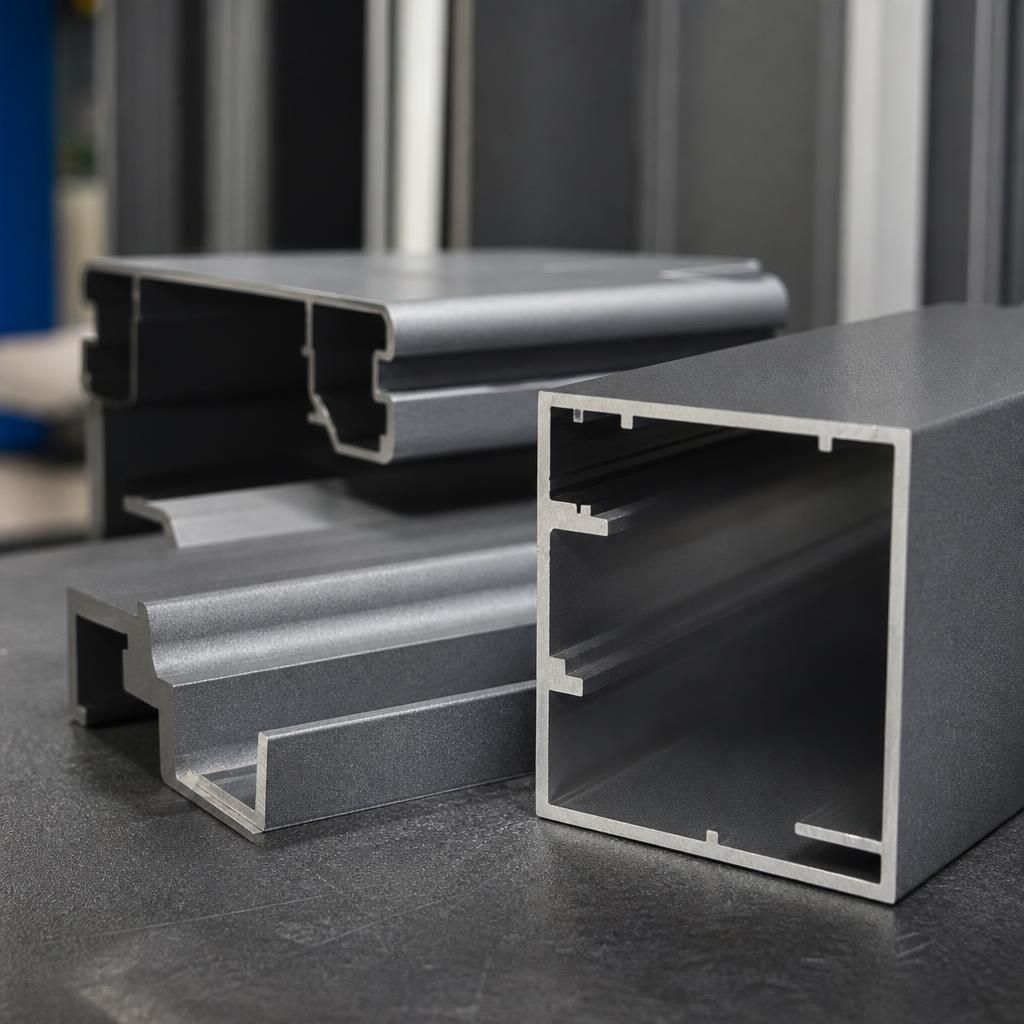
Durability has both a protective and an aesthetic dimension. A RAL 9023 powder coating may remain bonded to the aluminium and continue to protect the substrate while its gloss or colour gradually changes under ultraviolet exposure, weathering or repeated cleaning. For this reason, comparisons should consider both physical performance and retention of the intended pearl dark-grey appearance.
When reviewing technical information, separate resistance to adhesion loss, impact and abrasion from colour stability and gloss retention. The first group indicates how well the coating performs as a protective film; the second indicates how consistently it will continue to look as specified. This distinction is particularly relevant for visible aluminium components where maintaining a uniform appearance is as important as preventing surface damage.
Discuss the right RAL 9023 coating specification for your aluminium
Discuss your aluminium components, exposure conditions and preferred appearance with a powder-coating specialist to identify the most suitable RAL 9023 specification. Provide details of the part and intended use so the coating system can be assessed against your durability and aesthetic requirements.