

Can black protective primer finishes be used on outdoor metal structures?
Yes, black protective primer finishes can be used on outdoor metal structures when the primer and compatible topcoat are selected for the expected weather, moisture and corrosion exposure. Proper surface preparation, application and coverage are essential to ensure the finish provides reliable protection in an external environment.
Outdoor suitability is determined by the complete coating system rather than by the black primer alone. The primer must bond securely to the prepared metal, provide the required corrosion barrier and work with the chosen external topcoat. The specification should reflect the structure’s exposure to rain, condensation, sunlight, pollutants, abrasion and any chemicals.
Black protective primer finishes are commonly used as part of a layered system. The primer supports adhesion and corrosion protection, while the topcoat supplies the final colour, gloss level, weathering resistance and additional barrier protection. Leaving a primer exposed may be unsuitable where the product is intended to receive a topcoat, particularly on structures exposed to prolonged ultraviolet radiation or regular wetting.
Surface preparation is especially important for external steelwork. Oil, grease, mill scale, rust, welding residues and other contaminants can prevent the primer from forming a continuous bond. The preparation method should be selected for the substrate and its condition, with particular attention to welds, sharp edges, corners, joints and areas where moisture could collect. These locations often need more consideration than broad, accessible faces because incomplete coverage can create early points of corrosion.
Design also affects the performance of a black protective coating outdoors. Crevices, unsealed overlaps and horizontal surfaces can retain water and debris, increasing the demand placed on the coating. Drainage, access for preparation and the treatment of cut edges or fixing points should therefore be considered before coating. If components are fabricated, drilled or modified after coating, the exposed areas may need suitable remedial protection rather than being left untreated.
The expected environment should be assessed before selecting the primer and topcoat combination. A sheltered architectural component has different requirements from steel exposed to driving rain, coastal moisture, industrial pollution, road salts or frequent handling. Where the structure may experience impact or abrasion, the system should be selected for mechanical as well as atmospheric exposure. Compatibility between coats, curing requirements and the specified finish should be confirmed before production so that the layers form one coherent system.
Black finishes can also influence how a structure behaves in sunlight. Dark surfaces absorb more solar energy than lighter colours, which can increase surface temperatures and contribute to thermal movement in some assemblies. This does not automatically prevent outdoor use, but it is a relevant consideration for thin sections, enclosed components, close-fitting parts and structures where dimensional movement matters.
For a practical specification, consider:
- the type and condition of the metal substrate;
- the level and nature of corrosion exposure;
- whether the primer is intended to be covered by a compatible topcoat;
- the required appearance, gloss and colour uniformity;
- the presence of sharp edges, welds, joints, fixings and water traps;
- exposure to sunlight, abrasion, chemicals, salt or industrial pollutants; and
- how the finished structure will be inspected and maintained.
Routine inspection can identify damage, corrosion at edges or fixings, loss of adhesion and areas where dirt or moisture has accumulated. Cleaning should use methods and materials that do not damage the coating. Any repairs should address the cause of the defect, not simply cover visible rust, and the repair product should be compatible with the existing system.
For manufacturers, fabricators and construction firms, the most reliable approach is to define the exposure and final performance requirements before coating the components. A Midlands powder coating specialist can help assess whether a black protective primer system, suitable topcoat and preparation method are appropriate for the intended outdoor metal structure.
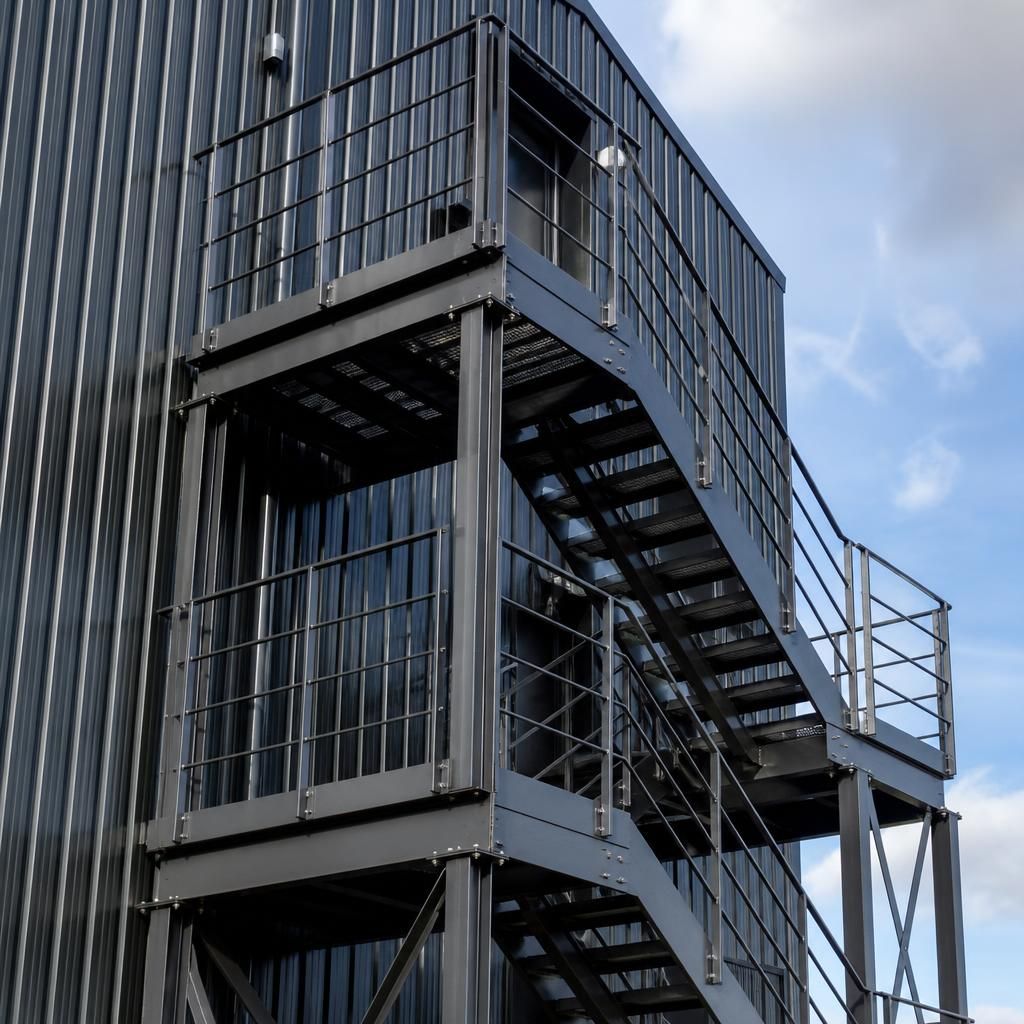
Black is a colour choice, not an indication of outdoor performance. The protection provided by a black primer depends on its resin chemistry, corrosion resistance, cured film and compatibility with the rest of the coating system. Two primers with the same black appearance may therefore have very different suitability for external metal structures.
When assessing a product for outdoor use, review its technical documentation rather than selecting it by colour alone. Check that it is specified for external exposure, confirm the recommended film thickness and curing conditions, and verify the permitted recoat interval. Where the structure has an unusual design, mixed materials or demanding exposure, a small test area can help confirm adhesion, appearance and compatibility before full production.