

How does your aluminium powder coating plant ensure environmental sustainability?
Our aluminium powder coating plant supports environmental sustainability through efficient coating processes, low-waste powder application and durable finishes that can reduce the need for premature recoating. Controlled preparation and curing also help use materials and energy responsibly while maintaining consistent coating performance.
Environmental sustainability at an aluminium powder coating plant depends on controlling the complete finishing cycle, from incoming material preparation through to curing, inspection and dispatch. In addition to applying powder efficiently, the plant must manage chemicals, water, energy, waste, packaging and the usable life of the finished component. This whole-process approach helps reduce environmental impact without compromising the protective or decorative function of the coating.
Responsible surface preparation
Aluminium requires careful preparation because its oxide layer and any contamination can affect coating adhesion. A controlled pretreatment process reduces the risk of rejected components, stripping and repeat processing. The preparation stage should therefore use suitable cleaning and conversion methods, with chemical concentrations and process conditions monitored rather than relying on excessive chemical use.
Water and treatment chemicals also need responsible management. Rinse stages can be controlled to prevent unnecessary consumption, while spent solutions and contaminated water must be handled through appropriate waste procedures. Keeping preparation tanks clean and correctly maintained helps preserve process quality and reduces the likelihood of avoidable disposal or rework.
Efficient use of coating material
Powder coating is a dry finishing method, so it does not require the solvent emissions associated with many liquid paint systems. Overspray can also be collected within a properly controlled application system. The practical environmental benefit comes from managing that material carefully: powder should be applied to the required areas, collected material should only be reused when its colour and specification remain suitable, and incompatible powders should be kept separate to avoid contamination.
Accurate masking and suitable racking are equally important. They prevent powder from reaching areas that must remain uncoated and help avoid unnecessary cleaning or reprocessing. For batch work, clear identification of components and coating specifications further reduces the chance of applying the wrong finish and having to repeat the job.
Energy and equipment control
The curing oven is a significant part of an aluminium coating plant’s energy demand. Efficient operation involves matching the curing schedule to the powder specification and the component mass, rather than using excessive temperatures or unnecessarily long cycles. Regular maintenance of burners, insulation, extraction and temperature controls helps the oven transfer heat consistently and prevents energy being lost through poorly performing equipment.
Production planning can support this further by grouping compatible batches where practical. This reduces avoidable changes between processes and helps equipment operate at an appropriate load. Energy use can then be reviewed alongside production records to identify abnormal consumption, maintenance needs or opportunities to improve the process.
Waste segregation and responsible disposal
Environmental control extends beyond powder overspray. Used masking materials, filters, contaminated wipes, damaged packaging, treatment residues and rejected components should be separated according to their characteristics. Segregation makes recycling or specialist disposal more practical and prevents recyclable metal or packaging from being mixed with general waste.
Aluminium components and offcuts retain material value and can normally enter established metal-recycling streams, subject to the requirements of the receiving recycler. Keeping aluminium separate from unrelated waste supports recovery at the end of a component’s service life. The coating itself should be considered as part of the finished material during recycling planning, with the relevant recycling route confirmed for the particular component and coating system.
Durability as an environmental consideration
A coating’s service life is relevant to sustainability because a finish that remains functional for longer may reduce the frequency of stripping, recoating, replacement and associated transport. The appropriate powder type, film build, pretreatment and cure must be selected for the component’s expected exposure. This is especially important where aluminium parts will face moisture, chemicals, abrasion or outdoor conditions.
Environmental responsibility therefore involves more than choosing a coating described as sustainable. It requires a finish that is technically suitable for its application, supported by consistent preparation and curing, and specified with the component’s intended use in mind. For manufacturers and fabricators, providing details of the operating environment, dimensions, masking requirements and performance expectations allows the coating process to be planned without unnecessary material use or repeat work.
Documented process control
Records provide the evidence needed to manage sustainability in a practical way. Batch information, powder usage, chemical checks, oven conditions, waste movements and inspection results can show where resources are being consumed and where process changes may be beneficial. Traceability also helps identify the cause of a quality issue, avoiding broad reprocessing when only a limited number of components require attention.
For Midlands businesses requiring aluminium components to be finished, this combination of controlled preparation, careful material handling, measured energy use, waste segregation and service-life planning provides a more complete basis for environmental sustainability than any single process feature.
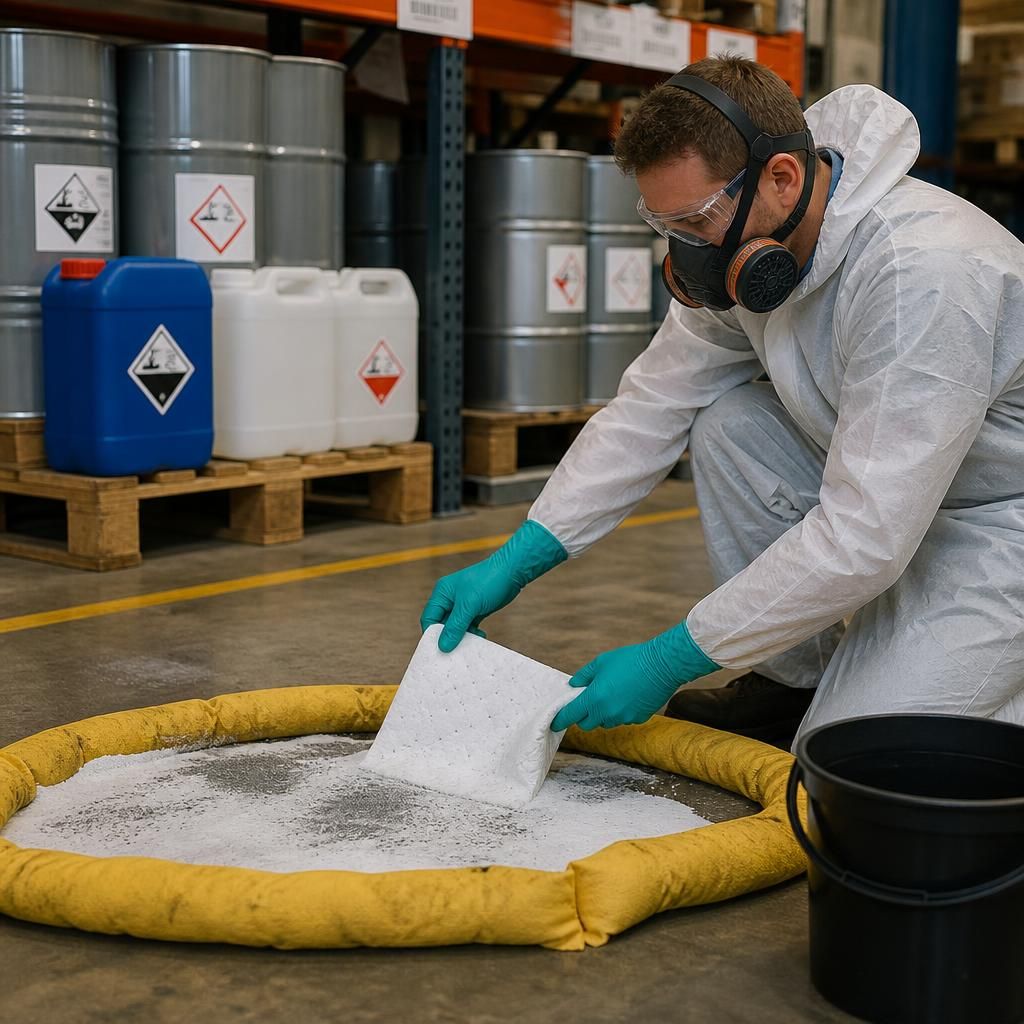
Environmental sustainability also depends on preventing accidental releases and contamination during storage and handling. Powder, pretreatment chemicals and cleaning materials should be clearly identified, kept in suitable containers and stored so that incompatible substances remain separate. Inspecting containers and equipment helps identify leaks before they affect the workplace, drainage systems or other materials.
Spill-control procedures are an important part of this approach. Any damaged container or release should be isolated, contained and recorded, with contaminated absorbent materials handled through the appropriate waste route. Keeping safety data and handling instructions available allows staff to use substances correctly and prevents avoidable disposal caused by misidentification or cross-contamination. These controls support the coating process while reducing the risk that routine production creates a wider environmental impact.