

What maintenance procedures should be followed to ensure the longevity of two-coat and thermoset coating systems?
Maintain two-coat and thermoset coating systems through routine inspections, gentle cleaning, and prompt repair of chips, scratches, corrosion or loss of adhesion. Use compatible cleaning products and non-abrasive methods, avoid prolonged exposure to unsuitable chemicals, and follow the coating supplier’s care guidance for the specific operating environment.
Effective maintenance of two-coat and thermoset coating systems depends on controlling the conditions that can weaken the coating, documenting changes, and treating defects according to their depth and cause. The procedure should cover the coated surface, edges and joints, fixing points, handling practices, the surrounding environment and any repairs or alterations made during the component’s service life.
Establish a maintenance record. Record the coating system used, the substrate, application date, service environment and any areas exposed to unusual heat, moisture, impact or chemical contact. Add details of inspections, defects, repairs and changes in use. This information helps distinguish normal surface wear from a developing adhesion, corrosion or compatibility problem, particularly where components are part of larger plant or assemblies.
Check vulnerable construction details. Pay particular attention to sharp edges, corners, folded sections, welds, recesses, drainage points, overlaps and interfaces between coated and uncoated metal. These areas can experience greater mechanical stress or retain moisture. Fixings and contact points should also be checked for movement, fretting, trapped water and damage caused during installation. Where a component is assembled after coating, avoid clamping or tightening methods that cut through the film.
Control handling and operational contact. Use suitable lifting equipment and protective separators when moving coated parts. Do not drag components across benches, floors or storage racks, and prevent metal-to-metal contact where vibration or movement could mark the finish. Replace damaged packing materials and keep storage supports clean, stable and free from sharp projections. If a component is regularly struck, rubbed or loaded against another surface, the cause should be corrected rather than repeatedly treating the visible mark.
Manage moisture and drainage. Components should be positioned so that water cannot remain trapped against the coating or collect in crevices. Drain holes and ventilation paths must remain clear where they form part of the design. Persistent dampness can affect the coating indirectly by promoting corrosion at exposed edges, joints or defects. Any alteration that creates a water trap, such as drilling, cutting or fitting an additional bracket, should be followed by appropriate protection of the exposed metal.
Use a controlled repair process. The repair method should reflect whether the defect affects only the topcoat or has reached the underlying coat and metal substrate. Remove loose or poorly bonded material, prepare the affected area without unnecessarily widening the repair, and ensure the surface is dry and free from residue before applying a compatible repair material. The repair must be allowed to cure in accordance with the product and site conditions before the component is returned to service. A small local repair is not suitable where coating breakdown is widespread, adhesion is failing over a larger area or corrosion has developed beneath apparently sound film.
Repairs should match the original system as closely as practicable. Applying an unverified product over a thermoset finish can create poor adhesion, visible incompatibility or different resistance to heat and chemicals. Where the original specification is unknown, obtain the coating information or ask a coating specialist to assess the system before selecting a repair product.
Review exposure conditions after changes in use. A coating selected for an indoor manufacturing environment may face different stresses if the component is moved outdoors, placed near wash-down areas, exposed to process vapours or subjected to higher operating temperatures. Reassess the maintenance regime after changes to location, cleaning arrangements, production processes or nearby chemicals. Thermoset coatings provide a cured, cross-linked film, but their performance still depends on the temperature, exposure and mechanical conditions for which the system was selected.
Separate cosmetic wear from functional failure. Fading, gloss change or minor marking may affect appearance without indicating loss of protection. By contrast, blistering, lifting edges, rust staining, cracking, underfilm corrosion or repeated loss of adhesion require investigation. The assessment should consider whether the defect is isolated, follows a construction detail or is distributed across the component. This helps identify whether the remedy is a local repair, correction of an operational cause or complete removal and recoating.
Use defined acceptance criteria. Maintenance records should note the location, size and type of each defect, its likely cause, the action taken and the result after repair. Photographs can help track progression, provided they are taken from consistent positions and under comparable conditions. For safety-critical, load-bearing or chemically exposed components, maintenance decisions should follow the relevant site procedures, coating specification and engineering requirements rather than appearance alone.
When the coating has deteriorated across substantial areas, repeated repairs no longer adhere, or corrosion is present beneath the film, arrange a technical assessment before further coating is applied. The correct long-term procedure may involve removing the existing system, addressing the substrate condition, restoring the specified preparation standard and reapplying the complete two-coat or thermoset system. This avoids trapping defects beneath a new layer and preserves the role of both coats in the protective system.
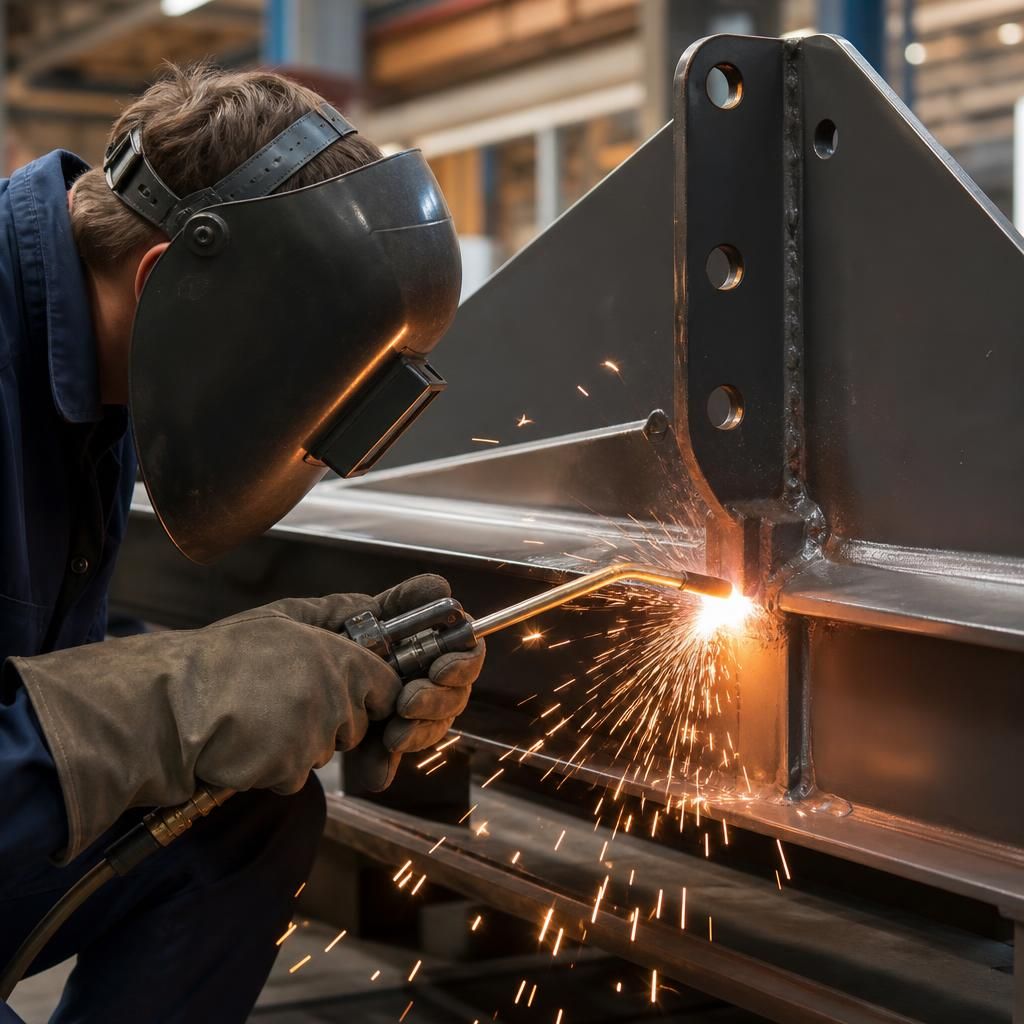
Hot work requires separate control because a cured thermoset coating cannot be melted and reflowed to restore its original finish. Welding, grinding, flame cutting and other high-temperature operations can discolour the film, cause local breakdown or damage the coating beyond the visible heat-affected area.
Before carrying out this work, identify the area that will be affected and protect or remove the coating where appropriate. Afterward, remove heat-damaged and poorly bonded material, inspect the exposed metal for corrosion or distortion, and restore the specified surface preparation and compatible coating system. Adjacent coating should also be checked for loss of adhesion before the component returns to service.