

What are the environmental benefits of using Rilsan nylon 11 powder coatings?
Rilsan nylon 11 powder coatings can reduce environmental impact by using a dry application process with minimal solvent emissions and little coating waste. Their durable, corrosion-resistant finish can also extend the service life of metal components, reducing the need for replacement materials and frequent recoating.
The main environmental benefit of Rilsan nylon 11 powder coating is that it can combine a partly renewable raw-material base with a solvent-free coating format. Nylon 11 is produced using sebacic acid derived from castor oil, a plant-based feedstock, while the powder application method avoids the need for a liquid solvent carrier. This can reduce reliance on some petrochemical inputs and limit emissions associated with solvent-based coating systems.
Its environmental advantages should be considered across the coating’s full life cycle rather than judged solely by its raw materials. Key points include:
- Renewable feedstock: Castor-oil-derived chemistry provides a renewable starting material for nylon 11. This does not make the finished coating entirely bio-based, but it can reduce the proportion of fossil-derived raw materials compared with some conventional polymers.
- Reduced solvent use: Rilsan nylon 11 is supplied as a dry powder rather than a liquid coating containing solvents. This simplifies the management of volatile organic compounds and reduces the need for solvent storage, handling and disposal during application.
- Efficient material use: Powder-coating systems can be designed to collect and reuse suitable overspray. Whether this is practical depends on the equipment, colour, coating specification and contamination controls, so recovery arrangements should be assessed for each production process.
- Lower hazardous-substance management requirements: Removing liquid solvents from the coating formulation can reduce exposure to solvent-related hazards and the environmental controls associated with solvent vapours. It does not remove the need for proper extraction, personal protective equipment, waste segregation and controlled handling of preparation chemicals.
- Protection with fewer intervention materials: Nylon 11’s resistance to moisture, chemicals, abrasion and corrosion can help components remain in service without repeated stripping and refinishing. The environmental benefit comes from avoiding the additional abrasives, cleaning agents, energy and transport that can be involved in repeated treatment.
- Potentially reduced transport impacts: A robust coating can be useful where components are exposed to demanding service conditions, because the coated item may require less remedial treatment during its working life. The actual result depends on correct specification, substrate preparation, application quality and the environment in which the component is used.
There are also limitations. Nylon 11 is a durable thermoplastic polymer, not a biodegradable coating, and it should not be treated as compostable or naturally degradable at the end of a component’s life. Recycling the coated metal may require the coating to be removed, accepted within the relevant recycling route, or processed as part of the finished material. The coating itself may also be difficult to recycle separately from the substrate.
The environmental profile is therefore influenced by more than the product name. Responsible selection should consider the raw-material content, application method, energy used for pre-treatment and heating, collection or delivery requirements, waste controls and the intended end-of-life route. Accurate surface preparation and application are particularly important: a coating that is incorrectly specified or poorly bonded may require premature reworking, which can reduce the environmental advantage.
For manufacturers and fabricators, the most balanced assessment is a life-cycle comparison with the existing coating system. This should examine solvent use, preparation chemicals, powder recovery, curing energy, expected maintenance, component service life and disposal or recycling arrangements. Rilsan nylon 11 can offer a lower-impact option where its renewable feedstock, dry application and long-term protective performance fit the component’s operating requirements, but environmental claims should be based on the complete process rather than on one characteristic alone.
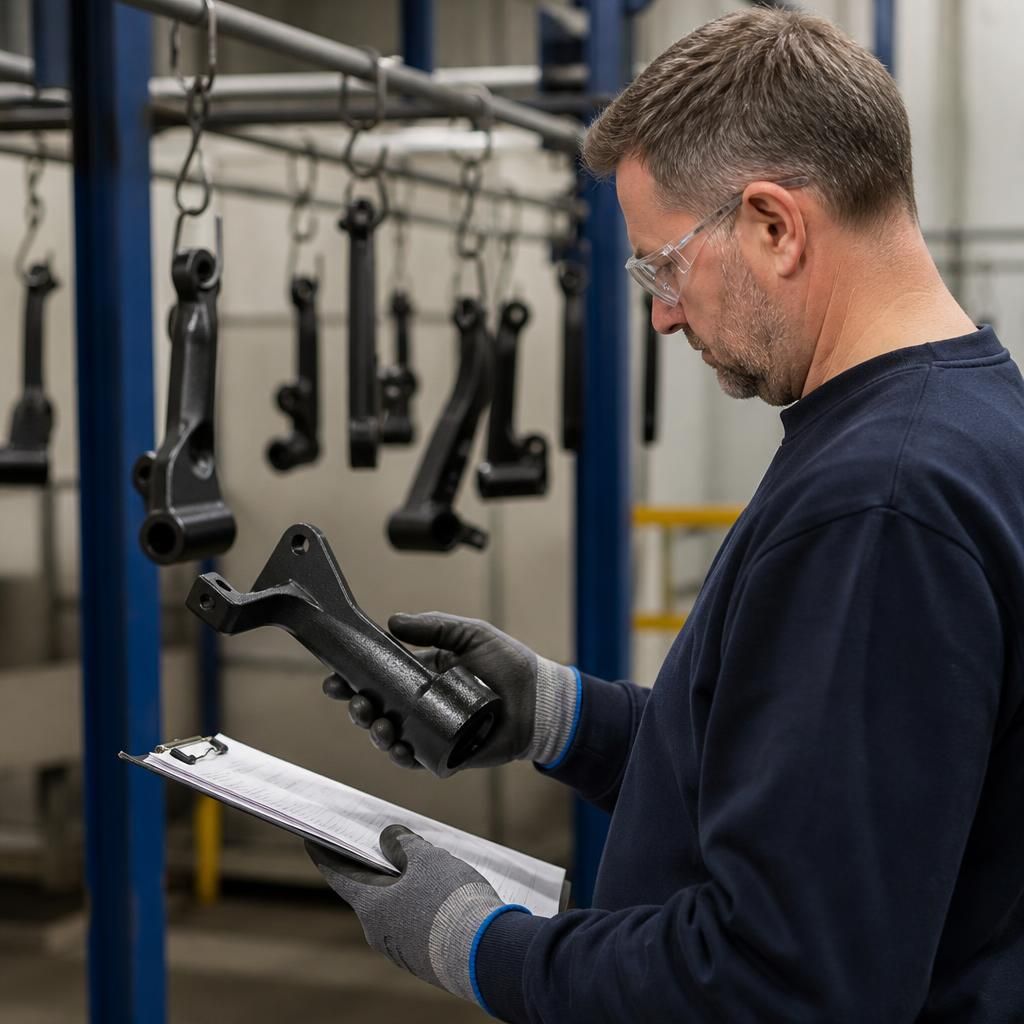
End-of-life planning is an important part of assessing the environmental profile of a Rilsan nylon 11 coating. The coated component should be identified in technical records so that future owners, maintenance teams and recyclers know which polymer is present and whether it should remain on the metal during processing. Where components are designed for dismantling, separating coated metal parts from non-metal attachments can simplify sorting and help prevent the coating from affecting an otherwise suitable recycling route. Manufacturers should confirm the requirements of their chosen recycling process rather than assume that every facility accepts nylon-coated metal without additional treatment.
Discuss the Environmental Benefits of Rilsan Nylon 11 Powder Coatings
If you are assessing the environmental profile of a coating for a metal component, discuss its operating conditions, preparation requirements and end-of-life route with the powder-coating team. They can help determine whether Rilsan nylon 11 is appropriate for your application and provide advice on the most suitable coating approach.