

How do zinc and fusion bonded coatings contribute to environmental sustainability compared to traditional coating methods?
Zinc and fusion bonded coatings can improve environmental sustainability by protecting metal against corrosion for longer, reducing replacement, stripping and recoating requirements. Fusion bonded systems also use powder rather than solvent-based liquid paint, while zinc provides sacrificial protection that can help extend the service life of coated components and reduce material waste.
Zinc and fusion bonded coatings can have a lower environmental impact than many traditional coating systems when their full lifecycle is considered. The main benefits come from efficient material use, reduced reliance on solvent-based formulations, fewer hazardous residues during application and a longer interval before the component requires further treatment. The result depends on the coating specification, surface preparation, application method and end-of-life arrangements, so sustainability should be assessed across the complete process rather than by coating type alone.
Fusion bonded coatings use powder rather than a liquid carrier. In a typical fusion bonded epoxy process, dry powder is applied to a suitably prepared metal surface and heated so that it melts and cures into a continuous film. Unlike solvent-borne liquid paint, the powder does not need a solvent to transport the resin and pigment. This can reduce the release of volatile organic compounds (VOCs) during application, although the precise environmental profile depends on the powder chemistry, curing conditions and preparation process.
Powder application can also improve material efficiency. Overspray may be collected within a suitably designed system and, where the coating specification and recovery process permit, reused or managed as a controlled powder waste stream. Liquid paint overspray is generally more difficult to recover because it is mixed with solvents, cleaning agents and other residues. Powder application still requires proper filtration and waste handling; unrecovered material should not be released into the workplace or wider environment.
Both coating approaches can reduce the environmental burden associated with maintenance. A coating that continues to protect a component in its intended service conditions can reduce the need for abrasive preparation, chemical stripping, washing, repainting and transport. These activities consume energy and materials and may produce contaminated media, spent chemicals or paint waste. Zinc can provide a degree of electrochemical protection at exposed areas, while a fusion bonded layer forms a physical barrier. In suitable systems, using the two functions together can reduce the likelihood that minor coating damage develops into extensive corrosion.
The environmental advantages are strongest when the coating is correctly matched to the service environment. Factors such as moisture, salt exposure, soil contact, chemicals, operating temperature, impact and ultraviolet exposure affect coating life. Applying an unsuitable system may lead to premature failure and additional preparation work, offsetting the benefit of the original application. Specification should therefore consider the component’s expected service conditions, the required film build, edge coverage, adhesion and any compatibility requirements between the zinc layer and fusion bonded topcoat.
Surface preparation is an important part of the comparison. Abrasive blasting, degreasing and other preparation stages are often necessary before either zinc or fusion bonded coatings are applied. These stages can consume electricity, water and abrasives, and can create waste containing removed corrosion, oil or existing coatings. A responsible process includes containment, filtration and collection of residues, along with appropriate treatment or disposal. The sustainability of the finished coating cannot be judged separately from the way the substrate is prepared.
Zinc also has environmental trade-offs that should be recognised. Mining, refining and converting zinc require energy and generate process impacts. Zinc is therefore not an impact-free material, and the most sustainable option is not automatically the one containing the greatest zinc loading. The relevant question is whether the selected zinc system delivers the required corrosion performance with an appropriate amount of material and without unnecessary rework. Zinc recovery and recycling routes may also be relevant at the end of a component’s life, depending on how the coated metal is processed.
Fusion bonded systems have their own resource demands. The powder must be manufactured, transported and heated during curing, and the substrate may need to reach a specified temperature. Energy consumption is influenced by part size, batch configuration, oven design, cure schedule and whether the process is operated efficiently. A comparison with liquid paint should therefore include the energy used in powder manufacture and curing, rather than assuming that eliminating solvent automatically makes the complete lifecycle impact lower.
When comparing options, a useful assessment considers:
- the coating materials and their manufacturing impacts;
- VOC emissions and other substances released during application;
- powder recovery or liquid paint overspray and the resulting waste streams;
- energy and water used for preparation, application and curing;
- the quantity and type of abrasive, cleaning residue or contaminated media produced;
- expected maintenance requirements in the actual operating environment; and
- whether the metal and coating materials can be separated, recovered or recycled at end of life.
For B2B projects, environmental performance should be documented through the coating specification and process controls. This may include identifying the coating chemistry, recording preparation requirements, controlling film thickness, segregating waste and selecting a curing process appropriate to the component. Environmental product information or supplier data can help with a formal lifecycle assessment, but generic claims should not replace project-specific evaluation.
In practical terms, zinc and fusion bonded coatings can be a more sustainable choice than traditional solvent-heavy systems where they provide the required protection with efficient application and limited maintenance intervention. Their benefit is not based on one feature alone: it comes from combining suitable corrosion protection, controlled material use, responsible waste management and a service life that avoids unnecessary processing. The most defensible comparison is therefore a whole-lifecycle assessment of the proposed coating against the actual traditional alternative, including preparation, application, maintenance and disposal.
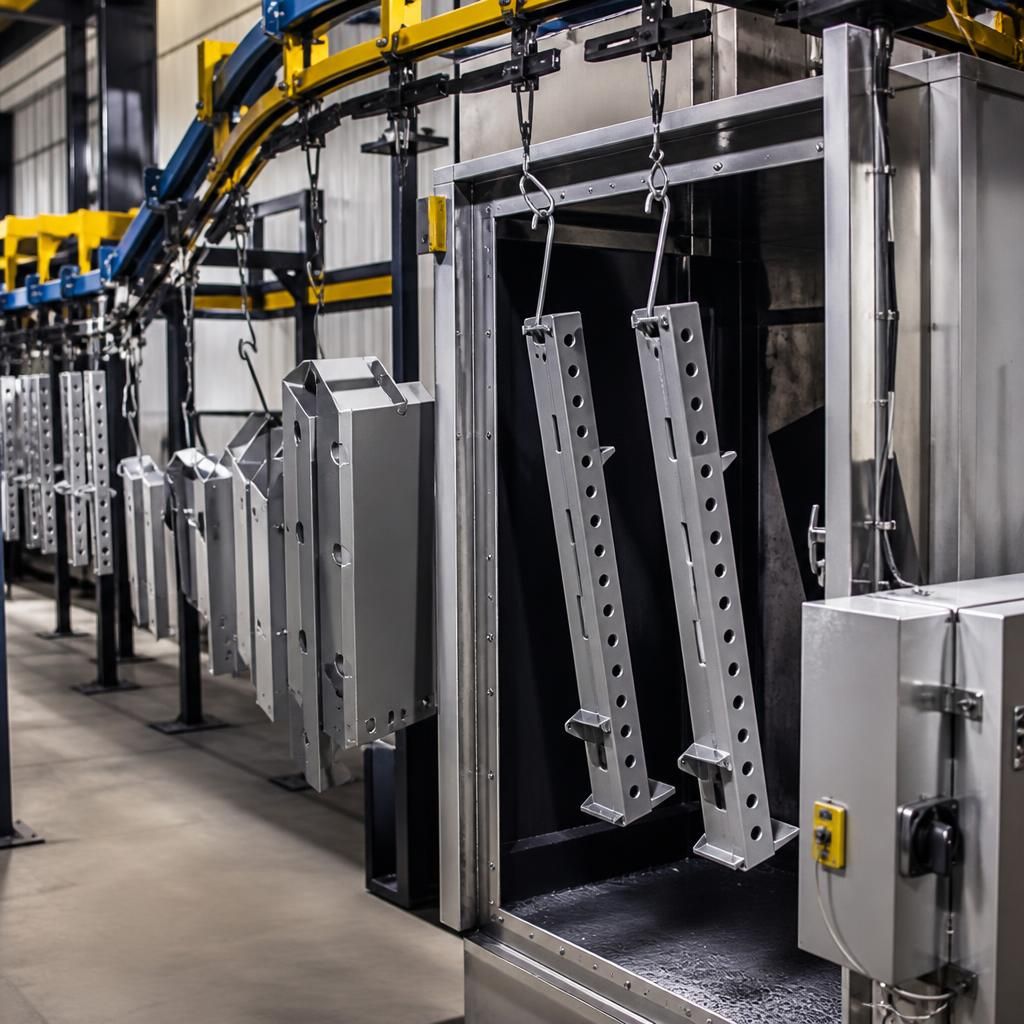
A fair sustainability comparison between zinc, fusion bonded and traditional coatings must compare systems that deliver the same required level of corrosion protection for the same component and service conditions. Comparing only the mass of coating applied or the presence of solvent can produce a misleading result if one system needs earlier repair or replacement.
For a useful assessment, define the performance period, exposure conditions and acceptable maintenance requirements before reviewing the environmental impact. The comparison should then account for the materials, preparation, application, inspections and any future intervention needed to maintain that performance. This functional approach helps B2B specifiers identify whether a coating genuinely reduces environmental burden, rather than relying on a single feature or broad sustainability claim.