

What types of metal surfaces are suitable for nylon powder coating preparation?
Nylon powder coating preparation is suitable for most sound metal surfaces, including mild steel, stainless steel, aluminium, galvanised steel and cast iron. Each substrate requires preparation suited to its condition and chemistry, such as removing oil, rust, mill scale or zinc residues before coating.
Sound, heat-tolerant metal surfaces are generally suitable for nylon powder coating preparation, provided their condition, surface chemistry and design allow the coating to adhere consistently. Suitability depends less on the name of the metal than on whether contamination, corrosion, residues and unstable surface layers can be removed without damaging the component.
Ferrous components can be suitable where the surface is structurally sound and free from loose corrosion, weld scale, oil and other contaminants. This includes fabricated parts, pressed components, brackets, frames and castings. Rust that has penetrated deeply, flaking scale or contamination trapped in pits may require additional preparation or may make the part unsuitable for a uniform finish.
Non-ferrous components can also be prepared for nylon coating, but their natural oxide layers and surface chemistry need to be considered. Aluminium, for example, develops an oxide film that can affect adhesion if it is not treated correctly. Copper-containing alloys and other non-ferrous materials may also require a preparation method suited to their composition rather than a process intended for ordinary steel.
Zinc-coated surfaces may be suitable, but preparation must account for the zinc layer. Aggressive abrasion can remove or unevenly damage the protective coating, while loose zinc residues or surface oxidation can interfere with adhesion. The preparation method should preserve sound zinc where it forms part of the component’s corrosion protection and provide a stable surface for the nylon coating.
Cast metal requires particular attention because its surface can contain pores, mould residues, embedded particles or areas of varying density. Abrasion and cleaning may expose contaminants held below the original surface. Components with deep porosity can also release trapped air or residues during heating, potentially causing pinholes, blisters or local defects. A trial preparation may therefore be appropriate for complex or heavily porous castings.
The following characteristics are more important than the metal category alone:
- Structural soundness: the substrate should not have loose scale, delamination, severe pitting or friable corrosion that could separate beneath the coating.
- Cleanliness: oil, grease, cutting fluids, marking materials, dust and handling residues must be removed before the surface is abraded or chemically treated.
- Stable surface layers: mill scale, oxide films, conversion residues and previous coatings must either be compatible with the preparation process or removed. An unstable layer cannot provide a reliable foundation for nylon.
- Accessible geometry: recesses, folded edges, narrow gaps, drilled holes and internal corners must be reachable by the cleaning and preparation equipment. Trapped contamination can remain even when the visible faces appear clean.
- Suitable thermal behaviour: the complete part, including any inserts or attached materials, must tolerate the heating required by the selected nylon coating system without distortion, degradation or release of contaminants.
Mixed-metal assemblies need additional assessment. Where two different metals are joined, each may respond differently to cleaning, abrasion and chemical pretreatment. Masking or separation may be needed where coating must not bridge a joint, interfere with electrical contact or alter a close-fitting interface. Threads, bearing seats, machined faces and connection points should be identified before preparation so that coating thickness does not affect assembly or function.
Previously coated or painted metal is not automatically suitable for recoating. The existing finish must be firmly bonded, compatible with the preparation process and able to withstand the coating temperature. If its composition or condition is uncertain, removing it is usually more reliable than coating over it. Any repair filler, sealant or non-metallic attachment must also be checked because nylon powder coating is intended for suitable metal surfaces, not for materials that soften, outgas or decompose during heating.
In practice, a coating assessment should consider the substrate, its previous use, fabrication method, contamination level, dimensions and required function. A representative sample or test area can help establish whether the proposed cleaning, abrasion and pretreatment sequence produces a uniformly receptive surface. For B2B components supplied in batches, consistent material grades and fabrication conditions also make it easier to repeat the preparation process and maintain an even result across the production run.
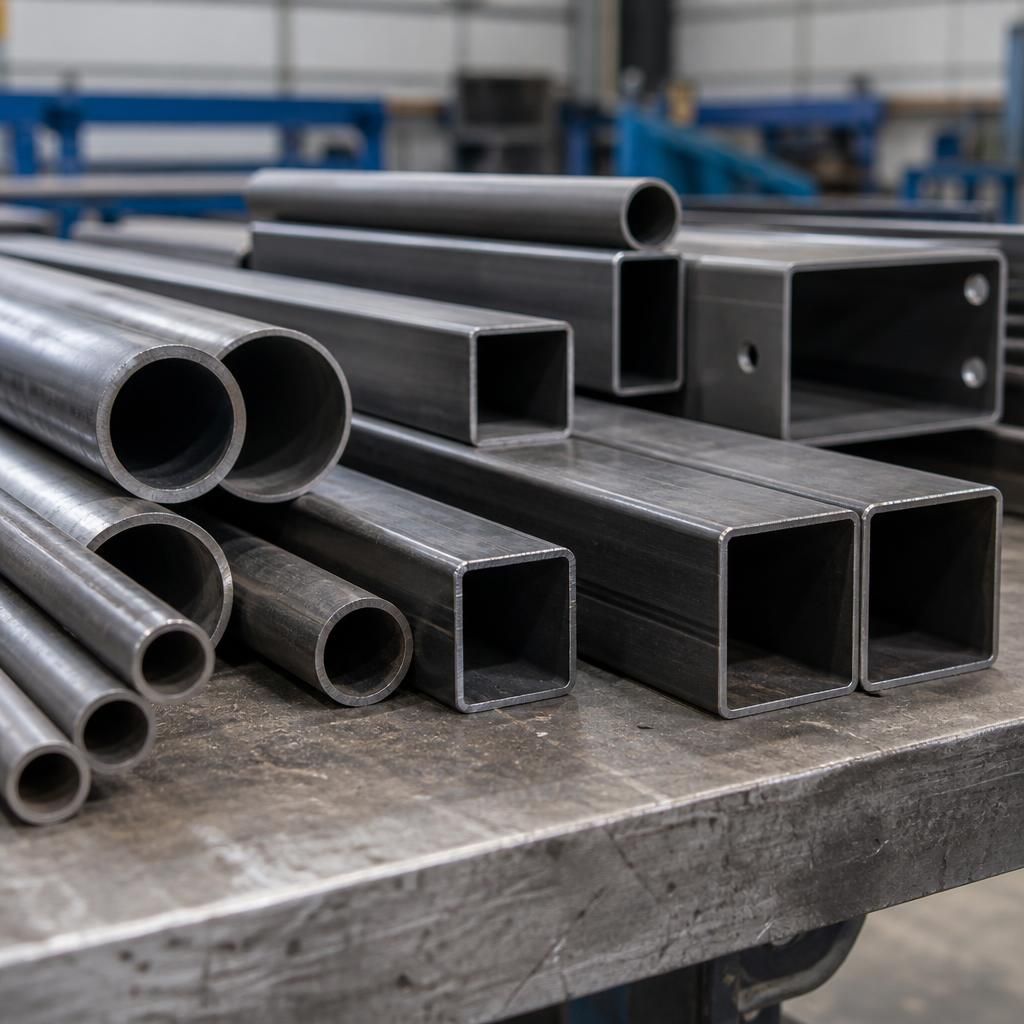
A metal component may be suitable for nylon powder coating in principle, but enclosed or hollow construction can affect whether it can be prepared reliably. Tubes, box sections, overlapping joints and partially sealed cavities may retain cleaning solution, moisture or air during preparation and heating. If these areas cannot drain or vent, they can contribute to coating defects or corrosion beneath the finish.
Before preparation, check whether hollow sections have appropriate drainage and venting, and identify any seams or cavities that could hold contamination. Where a component is fully sealed or difficult to access, its suitability should be assessed as a complete design rather than judged only by the exposed metal grade.