

What environmental considerations should be kept in mind when using sandblasting and powder coating processes?
Environmental considerations for sandblasting and powder coating include controlling dust and overspray, selecting recyclable or lower-impact blasting media, managing coating waste responsibly, and limiting energy use through efficient equipment and curing processes. Businesses should also prevent contaminated residues from entering drains or soil and follow applicable UK waste, emissions and pollution-control requirements.
Environmental performance in sandblasting and powder coating depends on the whole treatment cycle, not just the coating material. A responsible assessment considers the condition and service life of the finished component, abrasive and chemical inputs, water and air emissions, energy demand, transport, packaging, and the way records and waste are managed.
Consider the expected service life. A coating that protects a metal component from corrosion, abrasion or chemical exposure for longer can reduce the need for replacement, stripping and recoating. Before work begins, specify the operating environment, exposure to moisture or chemicals, temperature, impact and required finish. Choosing a system that is appropriate for those conditions avoids unnecessary rework and prevents material use caused by premature coating failure.
Assess the condition of incoming parts. Excessive oil, rust, old coatings or other contamination can increase preparation time and create additional residues. Parts should be assessed before processing so that the preparation method is proportionate to the condition of the metal. Removing avoidable contamination before delivery can also reduce the quantity of contaminated abrasive or cleaning material generated during preparation.
Review chemical pretreatment separately. Some powder coating specifications require cleaning, degreasing, conversion treatment or other preparation before application. These stages can introduce acids, alkalis, surfactants or metal-bearing residues into the process. The substances used, their storage arrangements and their disposal route should be documented. Where aqueous cleaning is used, wastewater must not be discharged to a drain unless the discharge is permitted and suitable for that drainage system. Collection, treatment or specialist disposal may be required instead.
Control water consumption. Water use can arise from rinsing, equipment cleaning and wet preparation methods. Practical controls include using only the rinsing volume needed for the specification, preventing clean and contaminated water from mixing, inspecting hoses and fittings for leaks, and considering recirculation or treatment where appropriate. Water containing oils, metal particles or chemical residues should be kept separate from uncontaminated water and managed according to its classification.
Understand emissions from the curing stage. Powder coating avoids the solvent handling associated with many liquid coating systems, but the curing oven can still produce combustion gases if it is gas-fired and may release constituents from the coating or substrate at elevated temperatures. The oven should be operated at the specified cure profile rather than at unnecessarily high temperatures. Extraction systems should be maintained, and any required assessment of emissions should reflect the equipment, fuel and materials actually used.
Prevent cross-contamination. Powder residues, blasting debris, oils and cleaning chemicals should be kept in clearly identified streams. Mixing different materials can make recovery more difficult and may change a non-hazardous waste into a waste requiring controlled handling. Dedicated collection containers, covered storage and prompt removal of damaged or leaking containers reduce the risk of releases to ground and surface water.
Apply the waste hierarchy. The preferred order is to prevent waste, prepare materials for reuse, recycle them, recover value where feasible and dispose of the remainder safely. In practice, this means ordering coating materials carefully, protecting unused powder from contamination, returning suitable packaging for reuse where arrangements exist, and sending segregated residues to an appropriately authorised waste contractor. Waste transfer documentation and classification should be retained so that the final route can be demonstrated.
Check the environmental implications of packaging and transport. Reusable stillages or returnable containers can reduce single-use packaging for repeat production work. Loads should be planned to prevent movement damage and unnecessary journeys, while collection and delivery arrangements should account for the size, weight and contamination risk of the components. Packaging that has contacted oils, chemicals or coating residues may need a different disposal route from clean cardboard, plastic or metal.
Use an environmental management process. A written procedure should identify significant environmental aspects, responsible personnel, inspection routines, spill controls, waste contractors and escalation steps. Useful records include abrasive and coating usage, waste descriptions and quantities, water or fuel consumption where monitored, extraction and oven maintenance, incidents, and corrective actions. Reviewing these records can reveal avoidable rework, leaks, inefficient cleaning and recurring waste streams.
UK businesses should also check the requirements that apply to their premises and process, including waste duty of care, storage of potentially polluting substances, discharge controls, emissions controls and any environmental permit or local authority conditions. The exact obligations depend on the equipment, substances, quantities, waste classification and site arrangements, so environmental responsibilities should be confirmed with the relevant regulator or a competent adviser rather than assumed.
For an industrial project, the most useful environmental specification sets out the substrate, preparation standard, pretreatment, coating system, cure requirements, inspection criteria, packaging, collection arrangements and waste responsibilities before processing starts. This gives the coating provider and the customer a clear basis for avoiding unnecessary material use and demonstrating that residues, wastewater and emissions have been managed in a controlled manner.
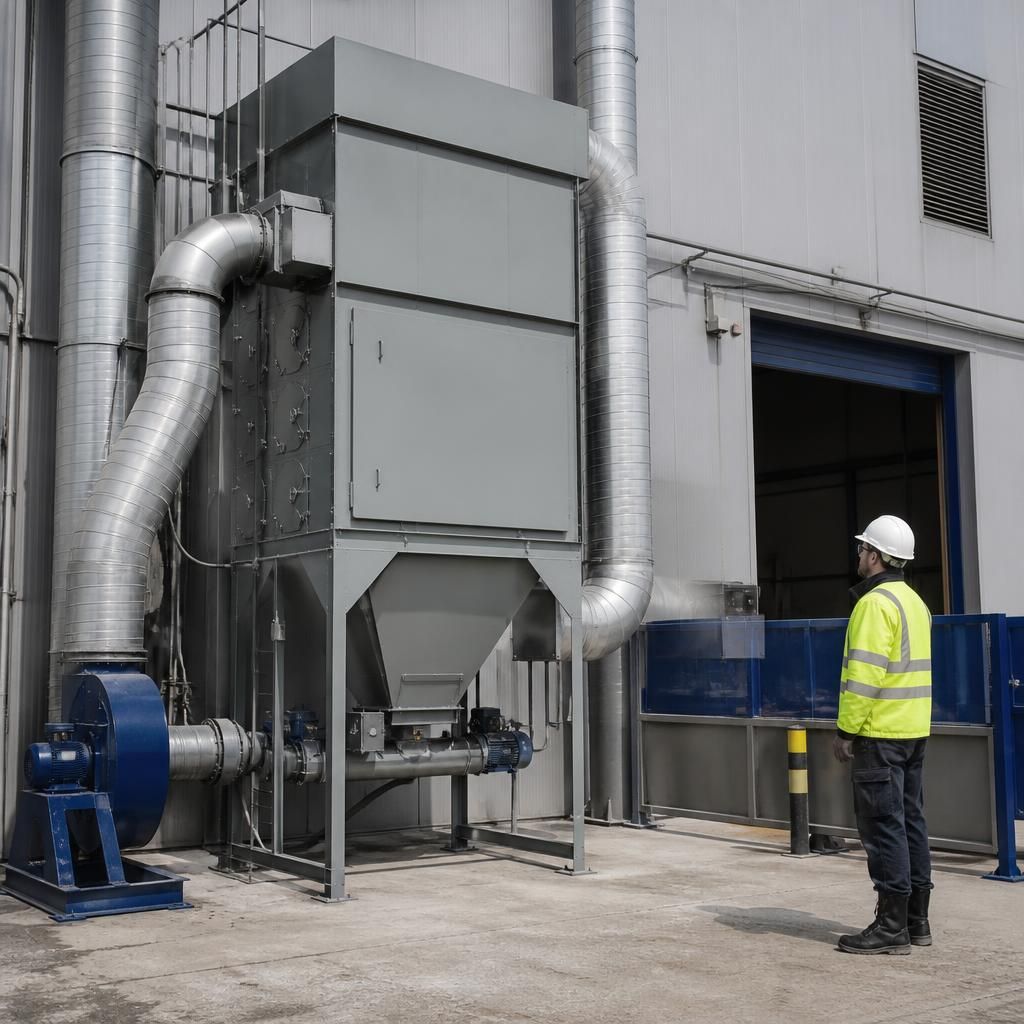
Environmental control in sandblasting includes managing noise and vibration, not only dust and waste. Blast cabinets, extraction equipment and compressors can create audible disturbance for nearby businesses and communities, particularly where work takes place close to other premises.
Practical controls include enclosing the blasting area, keeping doors and access points closed during operation, maintaining equipment to prevent excessive noise, and positioning compressors or other high-noise machinery away from shared boundaries where site conditions allow. Noise and vibration should be considered when planning the process, alongside any relevant planning conditions, site controls or complaints procedure.