

How does the environment impact the preparation process for powder coating?
Environmental conditions can affect powder coating preparation by influencing surface cleanliness, drying and adhesion. Humidity, temperature, airborne dust and other contaminants should therefore be controlled or assessed carefully before cleaning, pretreatment and coating begin.
The environment affects powder-coating preparation by changing how contaminants behave, how moisture remains on the metal and how consistently each preparation stage can be completed. A sound process therefore considers the condition of the component, the surrounding workspace and the way parts are stored and moved between cleaning, pretreatment and coating.
Humidity and condensation: Relative humidity is only part of the issue. The temperature of the metal itself is also important. If a component is colder than the surrounding air, moisture can form on its surface even when the workspace does not appear damp. This is particularly relevant when cold parts are brought into a warmer preparation area. Any condensation can dilute cleaning solutions, interfere with pretreatment and leave moisture in joints, seams, recesses or folded sections.
Before preparation begins, parts should be allowed to reach a suitable, stable temperature and should be checked for visible or concealed moisture. Hollow sections and enclosed profiles need particular attention because liquid may remain inside after washing or rinsing. Drainage holes, suitable positioning and sufficient drying time help prevent water being carried into the next stage.
Temperature and drying: Temperature influences the evaporation of water and solvent residues, the performance of aqueous cleaners and the time required for a surface to become ready for the next operation. A cool component may look dry while retaining moisture in overlaps, threaded holes and textured areas. Excessive heat, on the other hand, can cause a cleaning solution to dry on the surface before it has been removed, leaving deposits that later affect adhesion.
Preparation parameters should therefore be based on the product instructions for the cleaning and pretreatment system being used. Concentration, contact time, rinsing and drying are related steps rather than isolated operations. If environmental conditions change, the process may need checking rather than simply repeating the same timings.
Air movement and workspace layout: Ventilation helps remove moisture and vapours, but uncontrolled air movement can carry dust from fabrication, grinding, packaging or nearby work areas onto freshly prepared metal. The preparation route should separate dirty operations from clean stages wherever possible. Parts should not be placed directly on dusty floors or handled with contaminated gloves after cleaning.
Airflow also affects drying uniformity. A sheltered recess may remain wet while an exposed face dries quickly. Components should be arranged so that water can drain and air can reach difficult areas without blowing debris onto the surface. Clean racks, hooks and contact points are important because a prepared component can be recontaminated by the equipment used to support it.
Storage and handling between stages: Environmental exposure during storage can undo otherwise effective preparation. Bare or chemically treated steel may develop surface oxidation if it remains exposed to damp conditions before coating. Even where visible corrosion is not present, fingerprints, workshop dust and packaging residues can compromise the surface.
Prepared parts should be protected from rain, condensation, dust and unnecessary handling. Suitable gloves help prevent skin oils from being transferred back onto the metal. Components should also be kept away from materials that shed fibres or particles, and protective coverings should not trap moisture against the surface.
Seasonal and site-related risks: Conditions can vary within the same building. Loading areas, unheated storage spaces and locations close to open doors may expose components to different moisture and temperature conditions from those found in the preparation area. During colder or wetter periods, the risk of condensation and delayed drying is greater; in drier conditions, static and airborne particles may make dust control more challenging.
A practical environmental check should include:
- the temperature of the metal, not just the surrounding air;
- signs of condensation, retained wash water or moisture in enclosed areas;
- the cleanliness of racks, hooks, tools and handling equipment;
- dust-producing activities near cleaning and pretreatment stages;
- the time and conditions between preparation stages; and
- whether the component has been protected during storage and transport within the site.
For industrial work, these checks are most useful when recorded alongside the preparation method and any pretreatment instructions. If a surface repeatedly shows flash rust, residue, poor wetting or inconsistent cleanliness, the cause may be environmental rather than a fault in the cleaning product alone. Reviewing temperature, moisture, airflow, storage and handling can identify where the process is being affected and help produce a more consistent surface for powder coating.
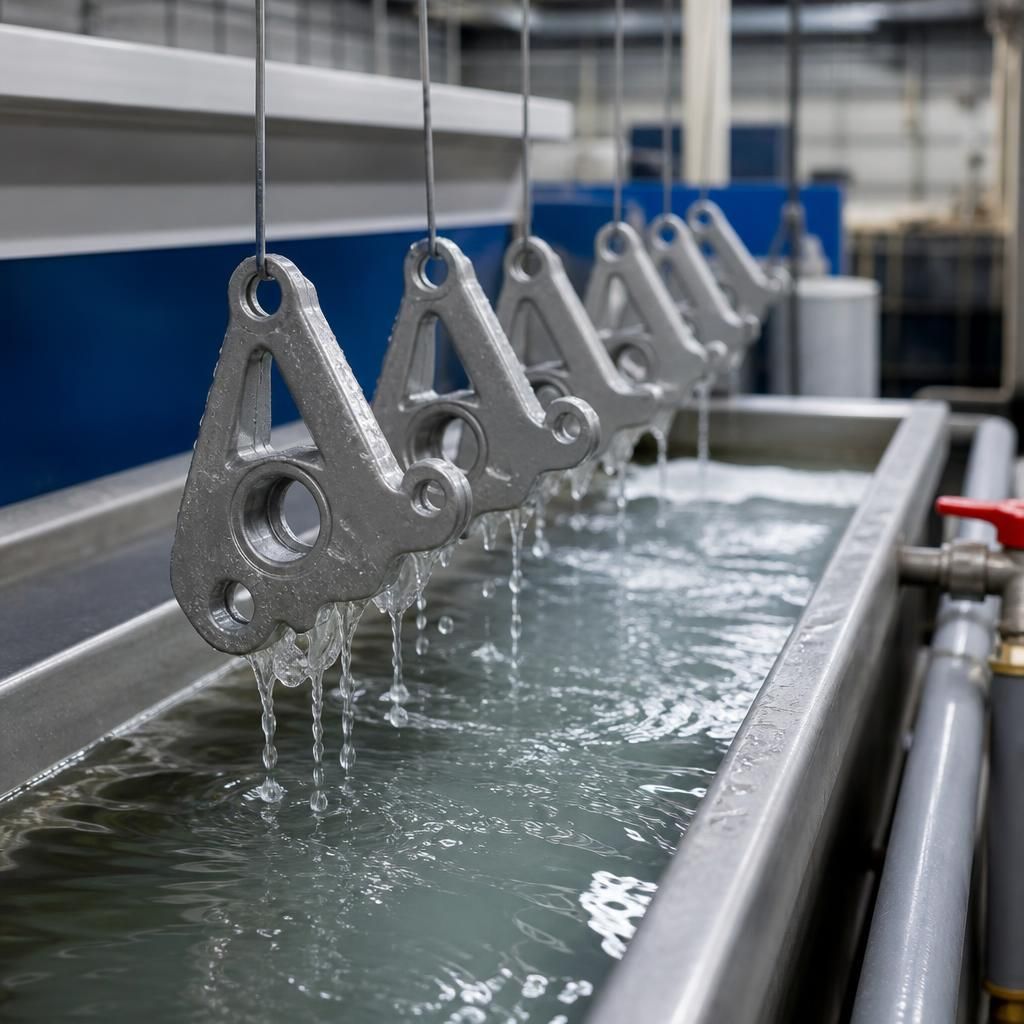
The preparation environment includes the quality of the water used for rinsing, not just the air surrounding the component. Water containing dissolved minerals or salts can dry on the metal and leave deposits that interfere with pretreatment, adhesion or corrosion resistance.
Rinse water should therefore be considered part of the preparation process. If marks or residues appear after drying, the source may be the water rather than the cleaner or pretreatment chemical. Reviewing the water supply, controlling carryover between process stages and using a suitable final rinse where required can help produce a cleaner surface for powder coating.