

What maintenance is required to preserve the quality of a RAL 2000 powder-coated aluminium surface?
Preserve a RAL 2000 powder-coated aluminium surface by cleaning it regularly with clean water, a mild detergent and a soft cloth, then rinsing and drying it thoroughly. Inspect the coating for chips, scratches, corrosion or deposits, avoid abrasive tools and harsh chemicals, and address any damage promptly to prevent deterioration.
Preserving a RAL 2000 powder-coated aluminium surface depends on controlling its exposure, preventing mechanical and chemical damage, and repairing any coating breach with compatible materials. The RAL 2000 colour itself does not determine the maintenance requirement; the appropriate care routine also depends on the powder system, gloss level, location, weather exposure and pollutants present in the surrounding environment.
Establish a maintenance plan based on the component’s operating conditions rather than applying the same approach to every installation. Aluminium used indoors in a clean, dry setting generally faces less coating stress than components exposed outdoors, in coastal areas, near industrial emissions or around road traffic. Salt deposits, airborne pollutants and persistent moisture can increase the risk of staining, chalking or corrosion at exposed edges and fixing points.
- Consider the environment: exposed components may require more frequent checks than protected internal parts, particularly where salt, dust or industrial residue can accumulate.
- Monitor water management: make sure the design allows water to drain away rather than remain trapped against the coating or collect inside joints.
- Protect during nearby work: shield finished aluminium from cement, mortar, plaster, bitumen, welding spatter and other construction residues. These materials can bond to or chemically affect the coating if they are allowed to remain in place.
- Control physical contact: prevent dragging, impact, metal-on-metal rubbing and contact with sharp tools during installation, adjustment or later maintenance work.
Particular attention is needed at cut edges, drilled holes, corners, folded sections and fixing points. These areas can be more vulnerable because the coating may be thinner, interrupted or exposed to movement. Check that assembled parts fit correctly and that fasteners, washers, seals and brackets do not abrade the finish. Dissimilar metals should be assessed carefully, especially in damp conditions, because galvanic interaction can contribute to corrosion around the connection.
Sealants and jointing products should be compatible with powder-coated aluminium. Some solvents, plasticisers or uncured compounds can stain, soften or affect the appearance of the finish. Follow the sealant manufacturer’s compatibility guidance and prevent uncured products from spreading onto visible coated surfaces. Where components are stored before installation, keep them dry, ventilated and separated so that trapped moisture, condensation or pressure between surfaces does not mark the coating.
Colour and gloss should also be assessed realistically over the life of the component. Outdoor ultraviolet exposure can gradually alter the appearance of a powder coating, while sheltered sections may weather differently from fully exposed areas. Sections replaced at different times may therefore show a variation in shade or gloss even where the specified colour is the same. For this reason, avoid treating a small touch-up as an invisible repair on a prominent area.
When damage does occur, identify its extent and cause before selecting a repair method. A small, localised defect may be suitable for a compatible touch-up product, but the repaired area can differ in texture, gloss and colour from the original powder coating. Larger damage, corrosion beneath the film or repeated coating failure normally requires assessment by a specialist, removal of unsound material and a properly prepared recoating process. Applying ordinary paint over a compromised powder coating without addressing adhesion, contamination or corrosion can produce only a short-term cosmetic result.
Keep maintenance records for components used in production, construction and vehicle-related applications. Record the coating specification, installation conditions, products used around the finish and any repair work carried out. This helps distinguish normal weathering from a problem caused by poor drainage, incompatible materials, excessive abrasion or an unsuitable repair product. For important aluminium assemblies, the original coater or a suitably experienced powder-coating specialist can advise on repair compatibility and whether local treatment or complete recoating is more appropriate.
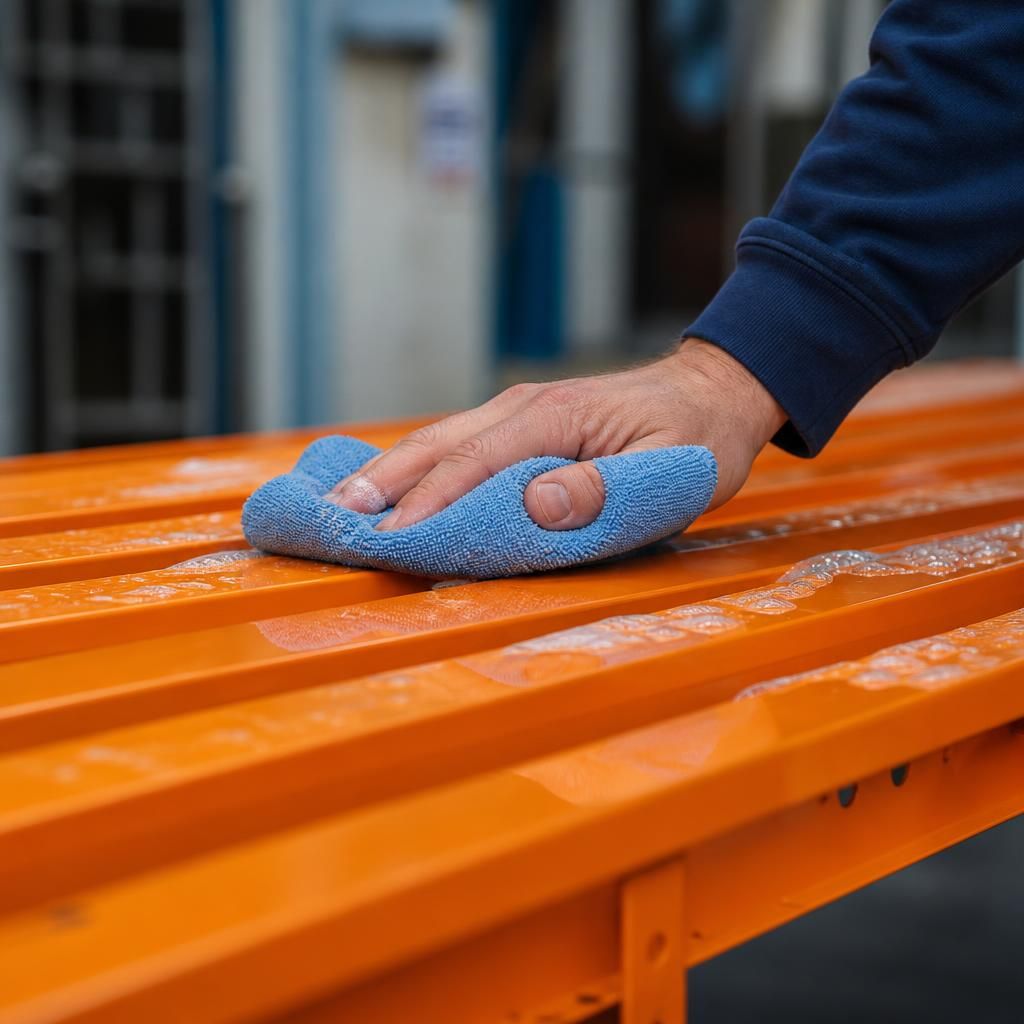
Do not polish, wax or apply silicone-based dressing to a RAL 2000 powder-coated aluminium surface unless the coating supplier has specifically approved the product. These treatments can leave a film that changes the intended gloss, attracts dirt or makes later assessment of the coating more difficult. They may also create adhesion problems if the component later needs a compatible repair or recoating.
Routine care should leave the powder-coated finish clean and untreated rather than attempting to restore its appearance with consumer surface products. If a maintenance chemical or specialist treatment is considered necessary, check its suitability for the particular powder system and test it first on a concealed area. Any visible change in colour, gloss or texture is a reason not to use it on prominent sections.