

What is the average turnaround time for aluminium powder coating?
There is no single average turnaround time for aluminium powder coating, as the schedule depends on preparation requirements, batch size, coating specification and the production plan. The coating provider can confirm a more accurate timescale after reviewing the components and arranging any required collection or delivery across the Midlands.
Turnaround time for aluminium powder coating is the elapsed period from a confirmed job and receipt of the components through preparation, coating, curing, inspection and packing. The application and curing stages are only part of this period, so the total production time can be longer than the time spent in the coating booth or oven.
A straightforward batch may move through the process as follows:
- Job assessment: The coater checks the aluminium sections, dimensions, alloy, existing finish and required coating specification. This identifies any risks relating to contamination, masking, racking or oven capacity.
- Preparation: Components may need degreasing, removal of an existing coating, abrasion, blasting or another preparation method. Weld spatter, labels, sealants and other contaminants can require attention before coating.
- Masking and racking: Areas that must remain uncoated are protected, and the parts are positioned so that the powder can reach the required surfaces. The shape and length of aluminium profiles can affect how efficiently they can be loaded.
- Pretreatment: Aluminium is normally cleaned and chemically treated to support adhesion and corrosion resistance. The exact process depends on the condition and intended use of the components.
- Powder application and curing: Powder is applied electrostatically and then heated until it flows and forms a continuous coating. The required cure schedule is based on the coating system and the metal temperature, rather than simply the air temperature in the oven.
- Inspection and packing: The finished parts are checked for coverage, colour, gloss, visible defects and correct masking before being protected for collection or delivery.
The main causes of variation are the condition of the aluminium, the amount of preparation required, the number and dimensions of the parts, and the finish specification. Items with an old coating, oil contamination, corrosion or difficult-to-remove residues generally require more preparation than clean, untreated components. Complex fabrications can also take longer to mask, hang, coat and inspect than simple flat sections.
Batch size affects scheduling as well as processing. A small batch may still need to be grouped with compatible work, while a larger batch requires sufficient racking, oven space and handling capacity. Multiple colours, gloss levels or textures can add handling and cleaning between coating runs. Components requiring different pretreatment methods or separate cure settings may also need to be processed in distinct stages.
Transport is part of the overall timescale when the parts are collected before coating or returned afterwards. The agreed schedule should therefore distinguish between production time and the time needed for collection, delivery, checking quantities and unloading. Providing accurate dimensions, weights, quantities, drawings and finish requirements at quotation stage helps the coater assess the complete process rather than just the spraying stage.
For a useful estimate, ask for the expected date of receipt, the planned production slot, whether preparation is included, the point at which the coating is considered complete, and whether collection or delivery is included in the quoted schedule. It is also sensible to confirm how non-conforming items, damaged parts or changes to the specification would affect the programme. A provider can give the most reliable turnaround assessment after reviewing the aluminium components and the required finish.
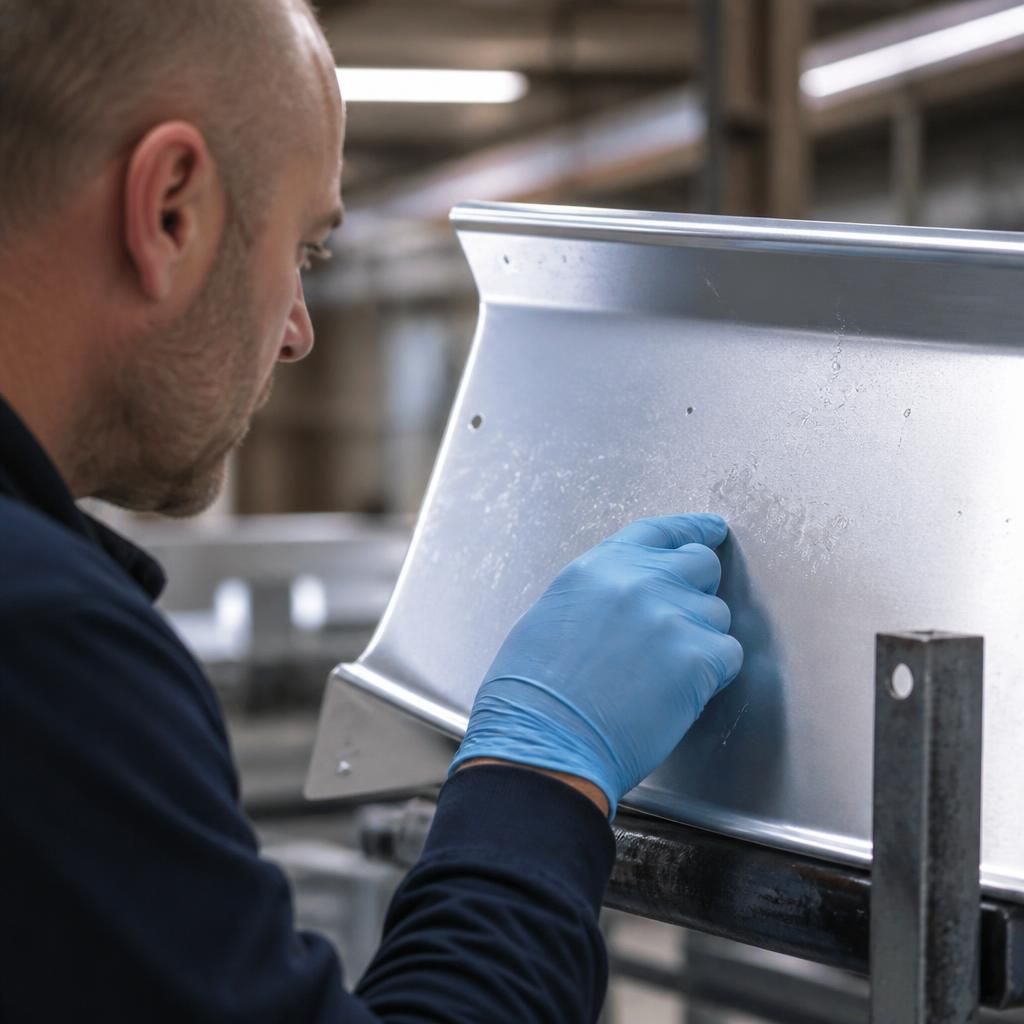
Porous or contaminated aluminium can extend the turnaround if defects become visible during curing or inspection. Castings and welded fabrications may contain trapped gases, oils or residues that lead to pinholes, bubbling or other surface defects when heated. If corrective preparation and recoating are needed, the job may require an additional production stage rather than proceeding directly to packing.
For a more reliable timescale, identify whether the components are cast, welded, previously coated or exposed to oils and sealants. Sharing this information before production allows the coater to assess the risk of rework and include any appropriate preparation in the planned schedule.