

What types of metals are most compatible with high temp powder coatings?
High temperature powder coatings are most commonly compatible with steel, stainless steel, cast iron and aluminium, provided the substrate can withstand the curing temperature and is correctly prepared. Compatibility depends on the metal’s alloy, thermal expansion, surface condition and the coating system selected, so each application should be assessed before production.
The most compatible substrates for high temperature powder coatings are sound, thoroughly prepared metal surfaces that can tolerate the coating’s curing process and the intended operating conditions. In practice, carbon steel, stainless steel, cast iron and aluminium are commonly considered, but the suitability of a particular component depends on its alloy, surface condition, geometry, thermal expansion and exposure to heat cycles.
Carbon and mild steel are generally straightforward substrates for high temperature powder coating. They provide a stable surface when cleaned and mechanically prepared correctly. Abrasive blasting or an appropriate chemical pretreatment can remove mill scale, rust, oil and other contaminants that would otherwise cause poor adhesion or corrosion beneath the coating. Fabricated steel may require particular attention around welds, sharp edges, crevices and areas affected by heat during welding.
Stainless steel can also accept high temperature powder coatings, although its naturally passive surface needs careful preparation. Grease, handling residues and embedded contamination must be removed, and the surface may need controlled abrasion or a suitable pretreatment to create a reliable key. Different stainless grades can behave differently, so the alloy and the component’s service environment should be included when selecting the coating system.
Cast iron is compatible in many applications, but its porous structure makes preparation more demanding. Castings can retain oil, moisture or gases, which may be released during curing and create pinholes, blistering or other surface defects. Cleaning, controlled preheating or a suitable degassing procedure may therefore be necessary. Deep recesses and rough cast surfaces should also be reviewed because they can affect coating coverage and appearance.
Aluminium is a suitable substrate for many high temperature applications, provided its oxide layer is properly addressed. Degreasing, controlled abrasion and a compatible pretreatment help the powder bond to the surface. Aluminium conducts heat differently from steel and expands more during temperature changes, so the coating must have sufficient flexibility and adhesion for the expected thermal cycling. Thin sections and complex aluminium parts also need care during curing to avoid distortion.
Galvanised and zinc-coated steel may be coat-able, but the zinc layer introduces additional preparation requirements. Zinc can release gases during the curing stage, potentially causing bubbles or pinholes. The surface may need cleaning, light abrasion and a coating approach designed for galvanised material. Any damage to the zinc layer should be considered because coating the surface does not remove the need for suitable corrosion protection at exposed areas.
Copper, brass and other copper alloys can sometimes be coated, but they are less routine than steel or aluminium. Their high thermal conductivity affects how quickly the part heats during curing, while surface oxidation and contamination can reduce adhesion. Components made from these metals should be assessed individually, particularly where electrical conductivity, dimensional tolerances or repeated heating and cooling are important.
Some substrates are more challenging because they cannot reliably tolerate the curing conditions or may release gas from the surface. Zinc die-castings, magnesium alloys, porous castings and heavily contaminated parts should not be treated as automatically suitable. A specialist assessment can identify whether the substrate needs a different preparation method, a lower-temperature coating system or an alternative finish.
Compatibility also depends on factors beyond the base metal:
- Alloy composition: alloying elements can affect oxidation, pretreatment response, adhesion and thermal stability.
- Surface condition: rust, scale, oil, silicone, old paint and fabrication residues must be removed or managed before coating.
- Component design: sharp edges, threaded sections, enclosed cavities and narrow gaps can create uneven coverage or retain contaminants.
- Thermal movement: the coating and substrate expand at different rates. A system with suitable flexibility and adhesion is important where the part experiences repeated temperature changes.
- Operating atmosphere: moisture, chemicals, salt, combustion products and abrasion can be as influential as temperature when selecting the complete coating system.
- Required finish: appearance, coating thickness, electrical properties and resistance to impact may limit the choice of powder, even when the metal itself is suitable.
A practical compatibility assessment should begin with the exact substrate specification, manufacturing history and intended temperature profile. Representative samples can then be prepared using the proposed cleaning and pretreatment process before applying the selected powder. Evaluation may include visual inspection, coating thickness checks, adhesion testing and exposure to the expected heating and cooling cycle. For critical industrial components, testing should reflect the real geometry rather than relying only on a flat test panel.
The key distinction is between a metal that can be coated and a metal that will remain reliably coated in service. Steel, stainless steel, cast iron and aluminium often provide a sound starting point, while coated zinc surfaces and non-ferrous alloys require more careful process control. Confirming the substrate, preparation method, cure requirements and service environment together gives a more dependable basis for selecting a high temperature powder coating.
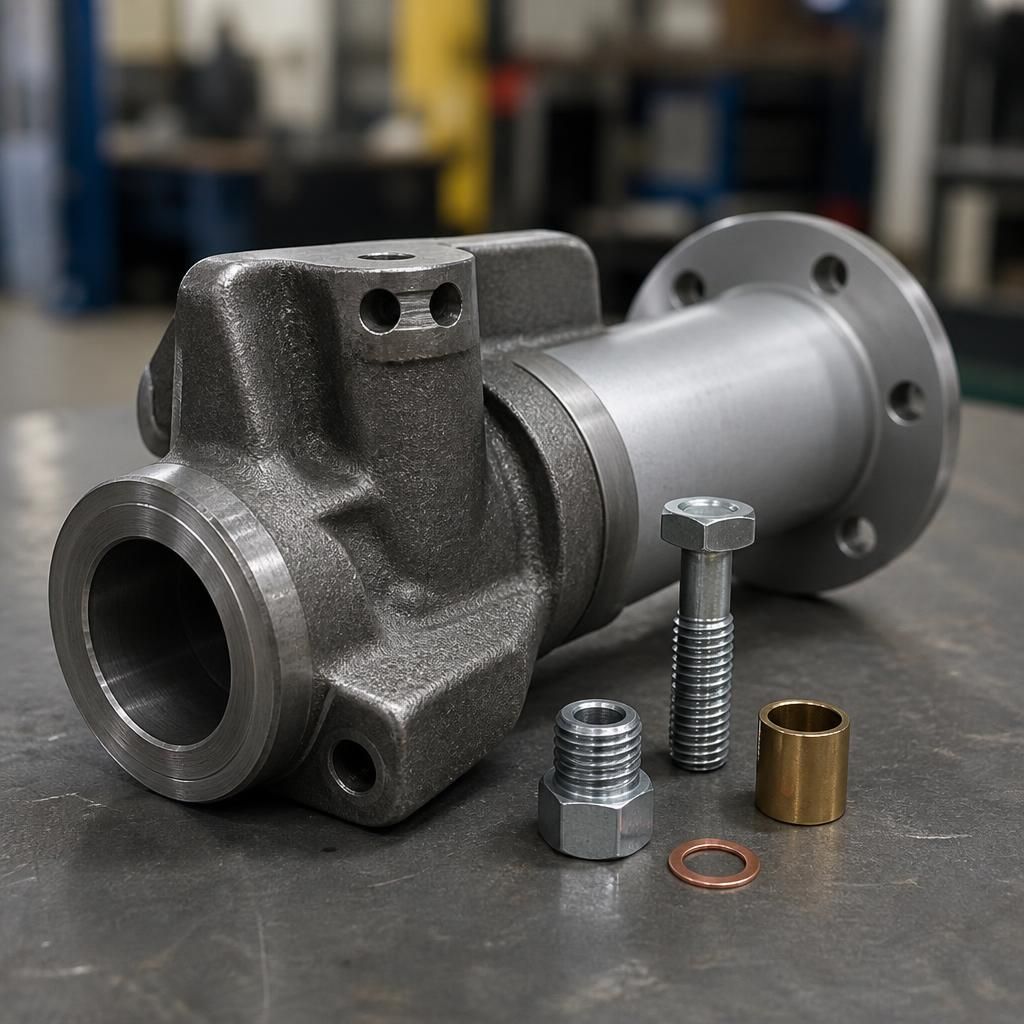
When a component combines different metals, compatibility must be assessed for the complete assembly rather than for the main substrate alone. For example, a steel body with aluminium inserts or stainless fixings may experience different expansion rates during heating, which can place stress on the coating at joints and contact points. Dissimilar metals may also create galvanic corrosion if moisture reaches an unprotected interface. Where practical, parts should be coated separately, with threads, electrical contact areas and close-fitting faces masked or otherwise protected. The coating specification should then account for the movement, exposure and function of every metal present.
Discuss Your High Temp Powder Coating Requirements
Discuss your component, operating conditions and production requirements with the powder coating team to help define a suitable high temperature coating specification. An assessment before production can establish the appropriate preparation and coating approach for the application.