

What types of metal components are best suited for Perfect-It Powder Coating?
Perfect-It powder coating is best suited to prepared metal components that require a durable, consistent finish, including fabricated parts, batch-manufactured components, and items used in construction, manufacturing and automotive applications. It can also be considered for larger components and specialist requirements where nylon or protective coatings are appropriate.
The best candidates for Perfect-It powder coating are clean, conductive metal components with a surface that can be prepared properly and a design that allows the powder to reach the areas requiring protection. Typical examples include brackets, frames, panels, guards, enclosures, housings, covers, rails, supports and other fabricated parts that need a hard-wearing finish rather than paint applied solely for appearance.
Component suitability depends on more than the type of metal. The part should be able to withstand the controlled heating required to cure the coating, and it should be possible to remove oil, rust, scale, weld residues and other contamination before application. Steel and aluminium components are commonly considered for powder coating, although the preparation method must reflect the substrate. Galvanised, cast or previously coated parts may require additional preparation to achieve a sound, even finish.
- Fabricated frames and brackets: Open sections, folded parts and welded assemblies are generally well suited because the coating can cover broad external surfaces and protect edges, faces and joints.
- Panels, enclosures and covers: These benefit from a continuous finish across visible surfaces, provided that hinges, threads, contact points and other functional areas are identified for masking where necessary.
- Machine guards and protective structures: Powder coating can provide a practical finish for components exposed to regular handling, provided the design does not contain inaccessible contamination traps or areas that cannot be prepared effectively.
- Metal housings and formed components: These are suitable where the coating specification accounts for internal and external surfaces, drainage, venting and any areas that must remain free of coating for assembly.
- Automotive and transport-related parts: Wheels, brackets, supports and other non-heat-sensitive metal items may be considered, subject to their geometry, operating environment and the need to preserve accurately machined or mating surfaces.
Parts with straightforward geometry are usually easier to coat consistently than components containing deep recesses, narrow channels or enclosed cavities. These features can affect powder access, air movement and drainage during preparation and curing. A component may still be suitable, but its drawing or sample should identify areas where coverage, masking or hanging arrangements need particular attention.
Dimensional requirements are also important. Powder adds a measurable coating layer, so close-tolerance bores, threaded holes, bearing seats, sliding faces and electrical contact points may need masking or post-coating treatment. Designers should also consider hook marks or other small contact points used to support the component during processing. Defining these requirements before production helps prevent coating from interfering with assembly or performance.
Components intended for external use, regular handling or exposure to general industrial conditions are often suitable when the specified coating system matches the environment. The correct choice depends on factors such as moisture, chemicals, abrasion, impact, sunlight and expected cleaning methods. A decorative finish alone should not be treated as a substitute for selecting a system appropriate to the component’s operating conditions.
Some items require closer assessment before they are accepted for powder coating. Fully assembled products containing seals, plastics, electronics or other heat-sensitive materials may not be suitable for the curing stage. Components with heavy corrosion, embedded oil, silicone contamination or incompatible previous coatings may also need remedial preparation. Similarly, very large or unusually shaped parts need consideration of handling, hanging and complete access to the surfaces being coated.
For industrial buyers, the most useful information to provide is the component material, dimensions, weight, quantity, intended environment, required colour or finish, and any surfaces that must remain uncoated. Drawings or representative samples are particularly helpful for parts with tight tolerances, complex geometry or specialist performance requirements. This allows Perfect-It to assess whether the component is suitable, identify preparation and masking needs, and determine whether the proposed finish is appropriate for its intended use.
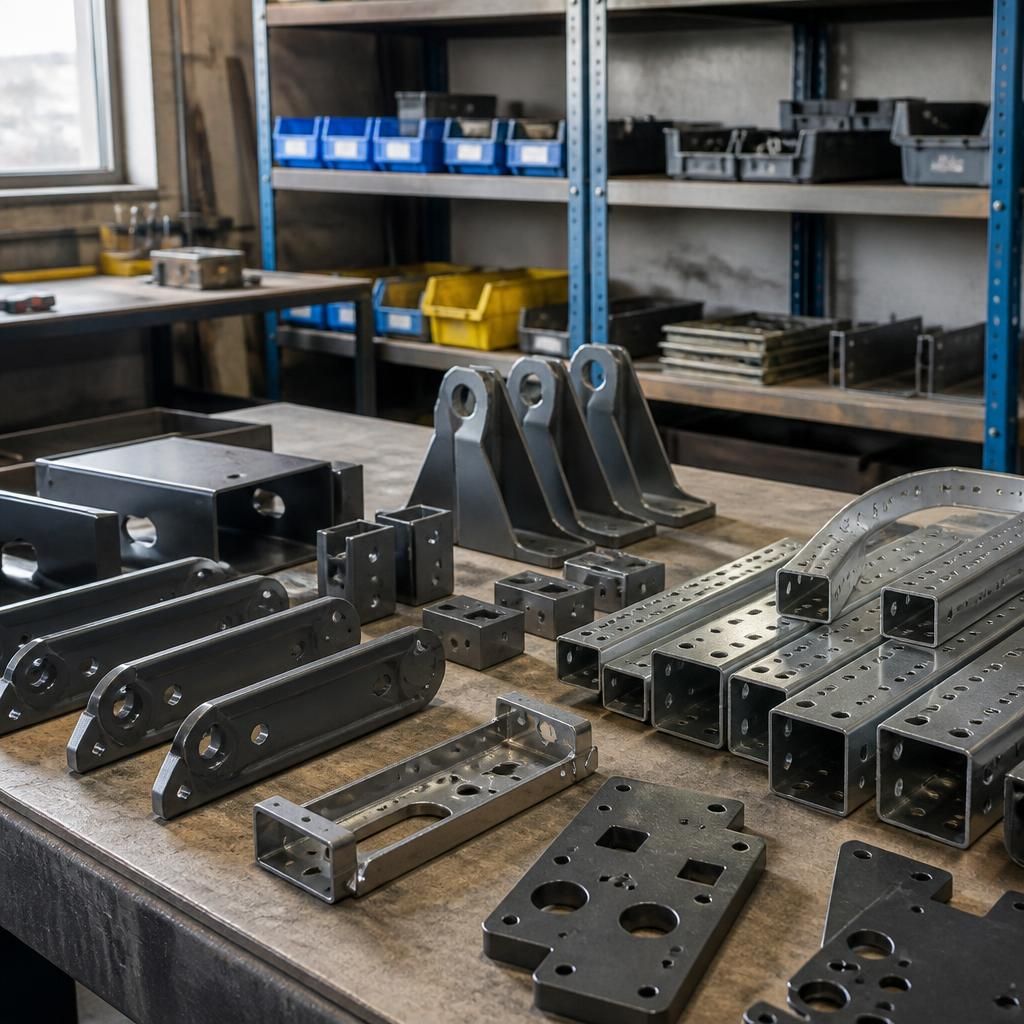
Separate metal parts supplied before final assembly are often easier to assess than complete products. This allows the coating requirement to be considered alongside the component’s role, finish specification and assembly sequence, rather than treating the finished item as a single coating candidate.
For assemblies made from several different materials, each metal component should be reviewed individually. This helps identify which parts are suitable for powder coating and which may require a different treatment because of their construction or intended use. It also allows the required finish to be matched to the component without applying coating where it could affect later assembly.
Discuss Your Metal Components for Powder Coating
Send details of your metal components, including drawings or representative samples where relevant, so their coating requirements can be assessed. Include the material, dimensions, quantity, intended environment and any surfaces that must remain uncoated.