

What are the common materials used in thermoplastic powder coating and what are their benefits?
Common thermoplastic powder coating materials include polyethylene, polypropylene, nylon (polyamide), PVC and fluoropolymers, with each selected for its balance of durability, chemical resistance, flexibility, wear resistance or electrical insulation. Unlike thermoset powders, these materials can soften and be remoulded when reheated, making them suitable for robust protective finishes on metal components where impact, corrosion and repeated use are considerations.
The common resin families used in thermoplastic powder coating are polyethylene, polypropylene, polyamide, PVC, fluoropolymers and, for more specialised requirements, thermoplastic polyurethane. Each provides a different combination of surface hardness, flexibility, chemical compatibility, weathering performance and electrical behaviour, so the correct choice depends on the component’s service environment rather than on appearance alone.
Polyethylene is widely selected for components that need a tough, protective plastic layer. It provides good resistance to moisture and many chemicals, while its relatively forgiving surface can help protect metal from impact and abrasion. Polyethylene coatings are suitable for items such as wire products, handling equipment, fabricated frames and parts exposed to general industrial use. The precise grade matters, particularly where the coating will experience prolonged ultraviolet exposure, elevated temperatures or contact with aggressive chemicals.
Polypropylene is a lightweight polyolefin with useful resistance to water, many acids and alkalis. It can provide a flexible barrier on metalwork and is often considered where low moisture absorption and chemical resistance are important. Its limitations should also be assessed: standard polypropylene is not automatically the best choice for high-temperature service, intense sunlight or severe abrasion. Stabilised or specially formulated grades may be necessary for those conditions.
Polyamide, commonly called nylon, is valued for its combination of toughness and resistance to mechanical wear. It is particularly relevant to components that experience rubbing, repeated handling, impact or contact with oils and fuels. Nylon can produce a smooth, durable surface and is used on industrial equipment, automotive components, brackets, handles and other metal parts where surface wear is a concern. Polyamide can absorb moisture, however, so the specification should consider dimensional requirements and the humidity of the operating environment.
PVC can provide a comparatively flexible coating with useful resistance to corrosion, moisture and a range of chemicals. It is also used where electrical insulation and a softer surface are beneficial. PVC formulations vary considerably: flexibility, hardness, weather resistance and chemical performance may be adjusted through the formulation and additives. The intended use should therefore be stated clearly, especially if the finished part will be exposed to heat, sunlight, oils or solvents.
Fluoropolymers include specialist materials such as PTFE, PVDF, ETFE and ECTFE. These are chosen for demanding conditions rather than routine protective coating. Their benefits can include very low friction, non-stick behaviour, strong resistance to corrosive chemicals and good resistance to weathering. Some fluoropolymer systems also retain useful performance across a broad temperature range. They may require more controlled preparation and application, and their cost and performance should be justified by the conditions the component will face.
Thermoplastic polyurethane is used where elasticity, impact absorption and abrasion resistance are more important than a hard, rigid finish. It can be appropriate for metal components subject to flexing, repeated contact or mechanical shock. TPU is available in different hardnesses, allowing the coating specification to be matched more closely to the required level of flexibility and surface resilience.
The resin is only one part of a thermoplastic powder coating formulation. Pigments provide colour and opacity, while stabilisers can improve resistance to ultraviolet light or heat. Other additives may influence flow, slip, friction, adhesion and surface texture. These ingredients affect the finished coating’s behaviour, so two powders described by the same broad resin family may not perform identically.
When selecting a material, the following factors should be considered together:
- Operating temperature: confirm the temperatures the coating will encounter continuously and intermittently, including heat generated by the component itself.
- Chemical contact: identify acids, alkalis, solvents, oils, fuels, cleaning agents and salt-laden moisture rather than relying on a general description such as “chemical exposure”.
- Mechanical loading: consider impact, abrasion, flexing, vibration, sliding contact and the possibility of sharp edges damaging the surface.
- Outdoor exposure: assess sunlight, rain, frost and changes in temperature. A material suited to indoor use may need a different formulation for external service.
- Electrical requirements: determine whether the coating needs to insulate the component, prevent unwanted contact or maintain a specified electrical characteristic.
- Appearance and texture: colour, gloss, smoothness and surface texture may affect the choice of powder as well as the visual result.
- Substrate and design: the metal type, surface preparation, edges, recesses, threaded areas and required coating build all influence whether a particular material can be applied successfully.
For industrial work, a useful specification describes the component’s environment and failure risks before naming a resin. A polyamide may be appropriate for wear, a polyolefin for moisture and general chemical exposure, TPU for flexible impact protection, or a fluoropolymer for severe chemical or low-friction service. Samples or test panels can help compare adhesion, finish, flexibility and resistance under representative conditions before a material is approved for batch production.
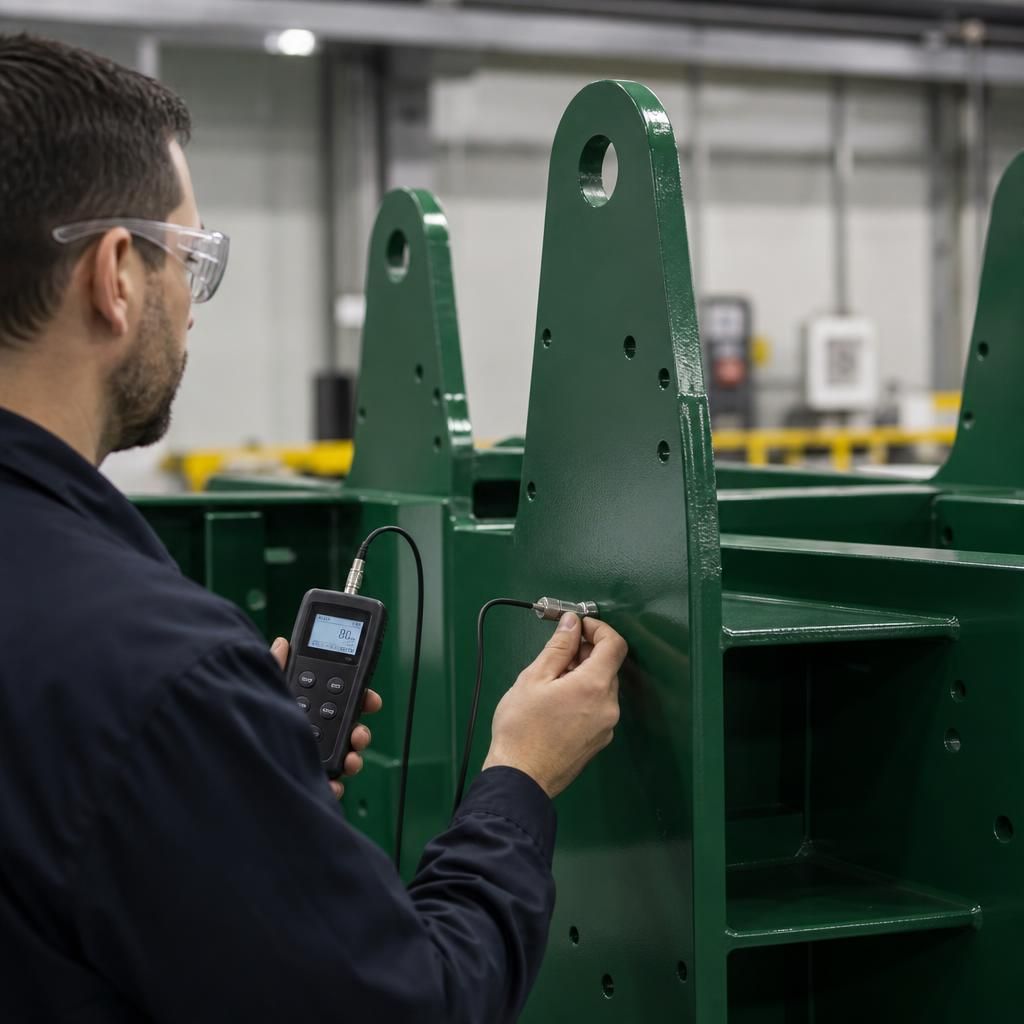
The material’s melting and flow behaviour is as important as its inherent chemical or mechanical resistance. A thermoplastic powder must soften sufficiently to form a continuous film, while remaining controllable enough to achieve consistent coverage across edges, recesses and larger surfaces. Different resin families have different processing characteristics, which can affect coating thickness, surface texture and the suitability of the powder for a particular component design.
This is why material selection should consider both the finished coating’s service conditions and the application requirements. The metal substrate, component geometry and acceptable heat exposure all influence whether a powder can be applied effectively. A material that offers excellent wear or chemical resistance may not be appropriate if its processing window is unsuitable for the part or production method.
Discuss the right thermoplastic powder coating material for your components
Discuss your component’s operating conditions and coating requirements with a powder coating specialist before selecting a thermoplastic material. Share details of the substrate, intended use and exposure conditions to identify a suitable specification.