

What are the specific applications of RAL 2000 powder coating in the manufacturing and construction sectors?
RAL 2000 powder coating is used in manufacturing for metal components, machinery parts, enclosures and fabricated assemblies where a consistent orange finish and durable surface protection are required. In construction, it can be applied to architectural metalwork, structural fittings, frames, barriers and other aluminium or steel features where colour identification, visual impact and resistance to everyday wear are important.
RAL 2000 is a yellow-orange powder-coat colour used where a clearly identifiable finish is required on manufactured or construction-related metalwork. Its specific applications include colour-coded production equipment, ancillary components for industrial installations, interior metalwork and selected external building elements, provided that the coating system is matched to the substrate and exposure conditions.
Applications in manufacturing
- Material-handling equipment: Chutes, guide rails, loading components and transfer sections can be finished in RAL 2000 to distinguish equipment within a production or logistics system. The coating also gives these parts a smooth, cleanable surface, subject to the selected powder formulation and operating environment.
- Machine guards and access components: Guard panels, removable covers, inspection doors and access steps may use the colour to make particular equipment or zones easier to identify during operation and maintenance.
- Production-line accessories: Brackets, mounting plates, support frames and protective covers can be coated as repeat batches, helping an original equipment manufacturer maintain a consistent appearance across supplied assemblies.
- Electrical and control equipment: Cabinets, control-panel surrounds and cable-management components can receive RAL 2000 where the colour forms part of a plant identification scheme. The enclosure design, seals, masking requirements and heat exposure must be considered before coating.
- Components exposed to routine handling: Powder coating is appropriate for many metal parts that experience contact, scuffing or general industrial use. It should not, however, be selected solely on colour; resistance to chemicals, heat, impact and abrasion depends on the powder chemistry, film build and pre-treatment.
For manufactured parts, RAL 2000 is particularly practical when several components need the same finish. Parts should be designed or prepared so that recessed areas, welds, sharp edges and drainage points can be coated consistently. Threads, bearing seats, electrical contact points and close-tolerance faces normally require masking, as powder coating adds a measurable layer to the surface.
Applications in construction
- Industrial and commercial fit-outs: RAL 2000 can be specified for metalwork used within factories, warehouses and commercial premises, including service-area fittings, equipment surrounds and protective metal features that need to stand apart visually from the wider installation.
- Plant-room and service-area components: Access covers, screening sections, support items and fabricated metal accessories may be coated in this colour where maintenance zones or building services need a distinctive finish.
- Safety-related ancillary metalwork: Certain protective or warning-associated components can use yellow-orange to improve visual recognition. The colour alone must not be treated as a substitute for required safety markings, signage or site-specific standards.
- Interior architectural details: RAL 2000 may be selected for feature panels, trims, partitions and other visible metal details when the design calls for a strong contrasting colour. Interior use generally places different demands on UV and weather resistance than an exposed external installation.
- External fabricated items: Outdoor applications require closer assessment of sunlight, rain, moisture, pollutants and proximity to coastal or industrial atmospheres. A suitable exterior-grade powder, correct pre-treatment and adequate coverage at edges and joints are essential for maintaining the finish.
Aluminium and steel require different preparation considerations. Aluminium normally needs a conversion or equivalent pre-treatment suitable for the alloy and intended exposure, while steel may require a system designed to control corrosion at welds, edges and previously affected areas. The coating specification should also state whether the part is for internal or external use, the required gloss or texture, any colour tolerance for batch matching and the areas that must remain uncoated.
RAL 2000 is therefore a colour and finish choice rather than a complete performance specification. For manufacturing, the key questions are repeatability, handling conditions, dimensional tolerances and compatibility with assembly. For construction, exposure, substrate, location and the relationship between the coating and the surrounding materials are more significant. Reviewing these points before production helps determine whether RAL 2000 is suitable for the intended application and which powder-coating system should be specified.
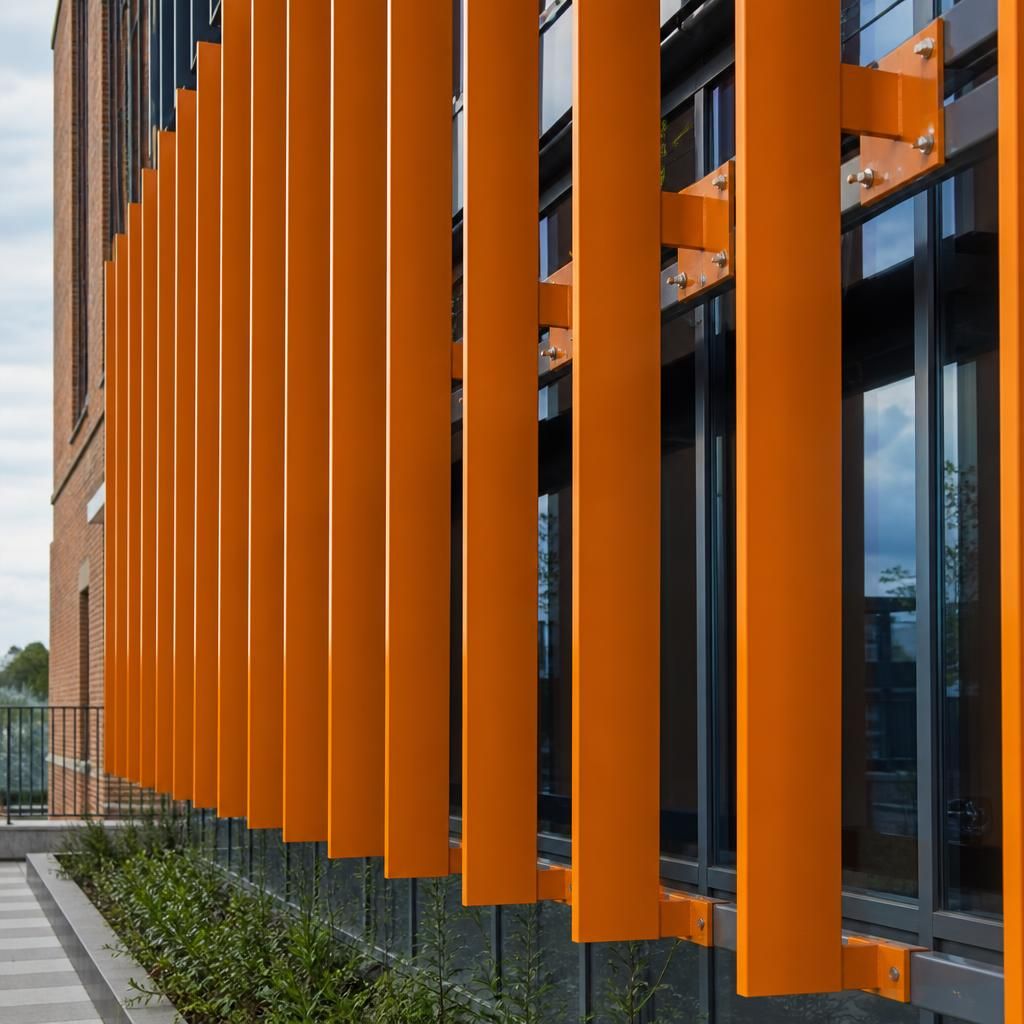
RAL 2000 powder coating is also suitable for prefabricated aluminium profiles, brackets and assembled modules that are coated before installation. This approach allows the visible surfaces to be finished under controlled conditions, while connection points, cut edges and areas intended for later adjustment can be identified in the coating specification rather than treated as incidental details.
For construction and manufacturing projects involving repeat components, the application record should link each batch to its substrate, powder type, gloss or texture and approved colour reference. This is particularly useful when additional sections, replacement panels or matching components are produced later, as a colour reference alone may not reproduce the same appearance if the coating system or surface texture differs.