

What factors should be considered when choosing UV resistant powder coatings for outdoor metal components?
When choosing UV resistant powder coatings for outdoor metal components, consider the expected sunlight exposure, weather conditions, required colour and gloss retention, substrate preparation, coating thickness and the component’s end use. The finish should also provide suitable resistance to moisture, temperature changes, corrosion and mechanical wear, while matching the application method and performance requirements.
The right UV-resistant powder coating should be selected by assessing the coating system as a whole, rather than relying solely on a label describing it as suitable for outdoor use. The key considerations are the resin chemistry, verified performance data, chemical exposure, component design, curing requirements, maintenance arrangements, regulatory needs and the practical consequences of recoating or repair.
Choose the appropriate resin system
Outdoor powder coatings are commonly based on resin systems formulated for greater resistance to degradation than standard internal-use powders. The binder affects how the coating responds to ultraviolet radiation, atmospheric pollutants, flexibility requirements and long-term surface deterioration. A general-purpose exterior polyester may be suitable for some applications, while a higher-durability system may be more appropriate where prolonged exposure and a longer decorative service requirement are expected.
The specification should identify the intended class of coating and the performance level required. This prevents a lower-cost internal or general-purpose product being selected for a component that will be difficult to access once installed.
Review test evidence rather than broad claims
Ask for technical data showing how the proposed coating has been assessed. Useful evidence may include accelerated weathering results, resistance to chalking and loss of film integrity, adhesion testing and relevant exterior durability classifications. Accelerated laboratory testing is useful for comparing systems, but it does not reproduce every condition found at a particular site. Results should therefore be considered alongside the location, exposure profile and expected service conditions.
It is also important to distinguish between the performance of the powder material and the performance of the completed coating. Inadequate cleaning, unsuitable pretreatment, poor application or incomplete curing can prevent a high-quality powder from achieving its intended properties. The applicator’s process controls are therefore part of the selection decision.
Consider pollutants and chemical contact
Outdoor components may be exposed to industrial emissions, road salt, cleaning products, fertilisers, fuel residues or other contaminants. These can affect the coating independently of ultraviolet exposure. Where a component is near a road, manufacturing site, coastal location or chemical-handling area, request resistance information for the substances likely to reach its surface.
Cleaning requirements should be considered at the same time. A coating that performs well but cannot tolerate the planned detergent, pressure-washing method or cleaning frequency may be unsuitable in practice. The chosen system should be compatible with the site’s routine maintenance procedure.
Check the component design and tolerances
Powder coating can affect the fit of close-tolerance parts, threaded connections, sliding faces, hinges and electrical contact points. Masking may be needed on surfaces that must remain uncoated, and drainage and venting features may be important for hollow fabrications. Sharp internal corners, recesses and difficult-to-reach areas can also influence transfer efficiency and coverage.
Before specifying the finish, identify all functional surfaces and confirm which areas require protection, masking or post-coating machining. This is particularly important for assemblies containing mating parts, fasteners or moving interfaces.
Confirm the curing requirements
Powder coatings require a defined curing cycle, based on the temperature reached by the metal rather than simply the oven’s displayed air temperature. Large, heavy or irregular components may heat at different rates from smaller parts. The selected powder must therefore have a cure schedule that is practical for the component and the available equipment.
Under-curing can leave the film with inadequate adhesion or chemical resistance, while excessive heat may affect the substrate, fittings or dimensional tolerances. A coating specification should record the required cure conditions and the method used to verify them.
Assess sustainability and compliance requirements
For many industrial projects, the coating must meet more than a durability requirement. Consider restrictions on hazardous substances, waste handling, overspray recovery, powder disposal and the environmental policy of the end customer. Powder coating is a dry application process, but the complete system still includes pretreatment chemicals, masking materials, packaging and any preparation or repair work.
Where the component forms part of a regulated product or construction project, request the relevant declarations and technical documentation before production. This helps ensure that the coating specification aligns with the wider project requirements.
Plan for inspection, repair and future recoating
Outdoor components should be inspected using agreed criteria covering adhesion, coverage, visible defects and the condition of edges and joints. Defining acceptance requirements before coating reduces uncertainty when parts are supplied in batches.
Also establish how minor damage will be treated. A repair material may not have identical properties or appearance to the original powder coating, so the repair method should be approved for the application. If eventual refurbishment is likely, check whether the coating can be cleaned, abraded and recoated without creating adhesion problems.
Compare whole-life suitability
The cheapest powder is not necessarily the most appropriate choice. Compare the initial coating cost with the difficulty of removing and recoating the component, access for future maintenance, the consequences of surface failure and the importance of retaining a consistent specification across replacement parts. A technically suitable system, applied under controlled conditions and documented clearly, is more useful than an unspecified product selected only by price.
For a B2B coating project, provide the coater with the component material, drawings or masking requirements, intended environment, chemical exposures, functional tolerances, cleaning regime and required documentation. This gives the coating specialist enough information to recommend a UV-resistant system that is appropriate for the complete component rather than merely its exposed surface.
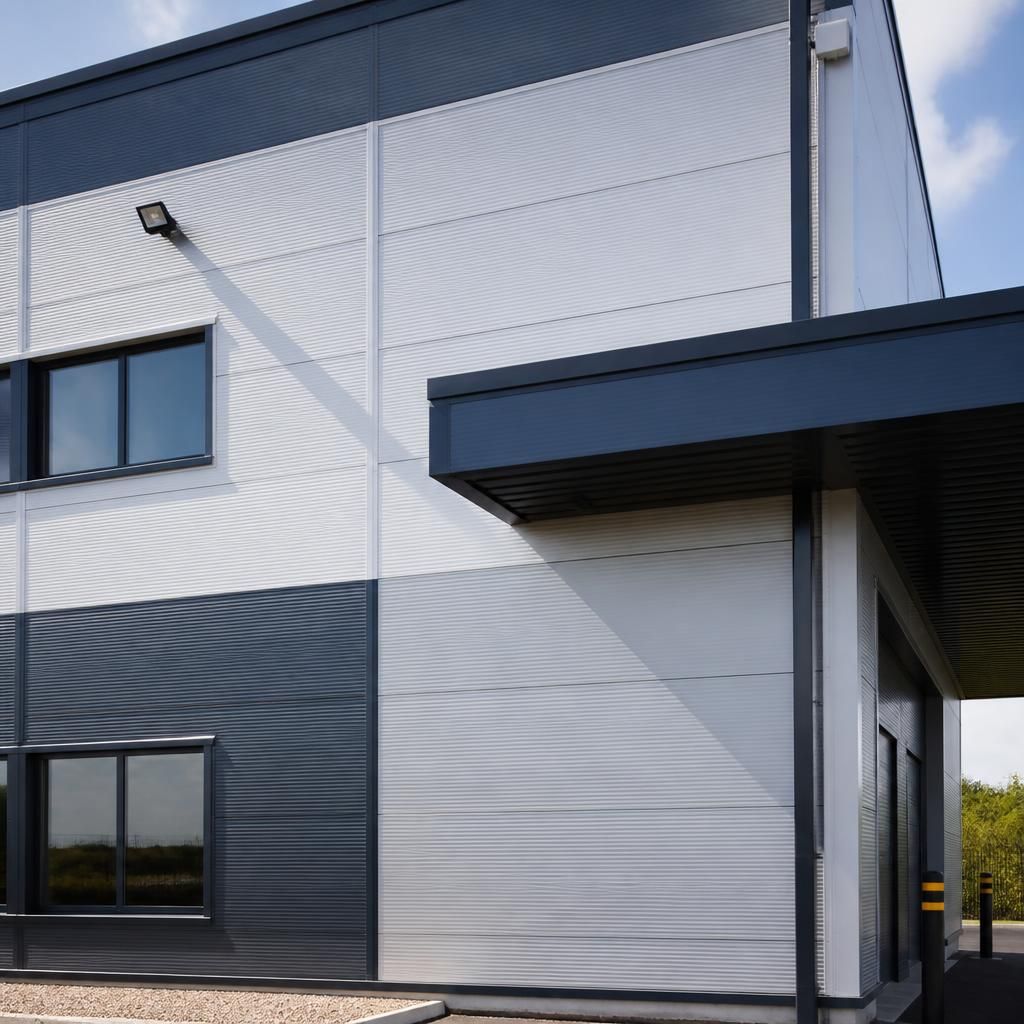
Outdoor exposure can vary significantly across the same installation, so the coating specification should reflect the component’s actual position rather than the site name alone. A horizontal surface, south-facing panel, shaded recess and underside may experience different combinations of sunlight, heat, rainwater retention and dirt accumulation.
Where components have several orientations or are installed in exposed groups, assess the most demanding position when selecting the UV-resistant powder coating. This helps avoid specifying a finish based on sheltered test conditions when some parts will receive substantially greater weathering in service.
Discuss your UV-resistant powder coating requirements
Discuss your UV-resistant powder coating requirements with Powder-coatings.co.uk, including the component’s environment, finish expectations and any functional constraints. The team can help you assess the information needed to select a suitable coating system for your outdoor metal components.