

What specific industries benefit most from using powder coating for electrical insulation?
Industries that benefit most from powder coating for electrical insulation include electrical equipment manufacturing, automotive, construction, metal fabrication and general engineering. It is particularly suitable where metal components need a durable insulating finish to support safer, more reliable performance in demanding applications.
The industries that benefit most from powder coating for electrical insulation are those using formed or fabricated metal parts that must combine dielectric separation with mechanical protection. The strongest applications are found in switchgear and control equipment, electrical assemblies, vehicle electrical systems, industrial machinery, and building services, where a coated component may need to resist abrasion, moisture, chemicals and handling as well as reduce the risk of unintended electrical contact.
Switchgear and control equipment are particularly suitable applications. Metal enclosures, brackets, barriers and support components can use an insulating powder-coated surface to help separate conductive parts and protect the underlying metal. This is useful in equipment where consistent coating coverage is needed across repeated batches, although clearances, edges, fixing points and earthing arrangements still need to be designed separately.
Electrical assembly and equipment manufacturing can also gain from coating selected housings, frames, mounting plates and internal supports. Powder coating provides a continuous finish over suitable metal surfaces, helping limit accidental contact between the component and adjacent conductive parts. It can also protect the substrate from corrosion, which matters where surface deterioration could affect fit, clearances or the reliability of the assembly.
Automotive and vehicle-component production benefits where metal parts are exposed to vibration, moisture, road contaminants or repeated handling. Examples can include brackets, shields, housings and support components associated with electrical systems. In these applications, the coating must be selected with regard to temperature, chemical exposure, impact and the movement or contact points of the finished part. Powder coating should not be treated as a substitute for dedicated cable insulation, seals or other components where those are required by the design.
Industrial machinery and automation are another strong fit. Control cabinets, motor housings, machine guards, mounting structures and fabricated supports may need an insulating surface alongside resistance to oils, cleaning chemicals and workshop wear. The benefit is greatest when the component is produced in repeatable batches and its geometry allows reliable cleaning, application and curing.
Construction and building-services equipment can use electrically insulating coatings on metal containment, enclosures, brackets and plant-room components. These parts may encounter condensation, dust and site handling, so the coating has to be matched to the environment rather than chosen solely for its electrical properties. Masking is also important around earth points, threaded holes and interfaces that must remain electrically conductive.
Fabricated metal components and general engineering parts benefit where a custom shape needs both surface protection and controlled separation from other metalwork. This may include one-off assemblies as well as production batches. The suitability of powder coating depends on the component’s dimensions, heat tolerance and required coating build, particularly where narrow gaps or sharp edges could affect coverage.
Industry alone does not determine whether powder coating is appropriate. Before specifying it for insulation, the design team should consider:
- the working voltage and required dielectric performance;
- operating temperature and exposure to heat during service;
- coating thickness, edge coverage and the risk of pinholes or damage;
- moisture, chemicals, abrasion, impact and cleaning conditions;
- areas that require masking for earthing, fasteners or electrical contact;
- component size, material, geometry and suitability for the curing process; and
- the testing and industry requirements that apply to the finished assembly.
Powder coating is therefore most valuable in sectors where insulation is one part of a wider component-performance requirement. It can provide a durable barrier on suitable metal surfaces, but the complete electrical design must still account for clearances, creepage distances, grounding, separate insulation systems and any applicable validation tests.
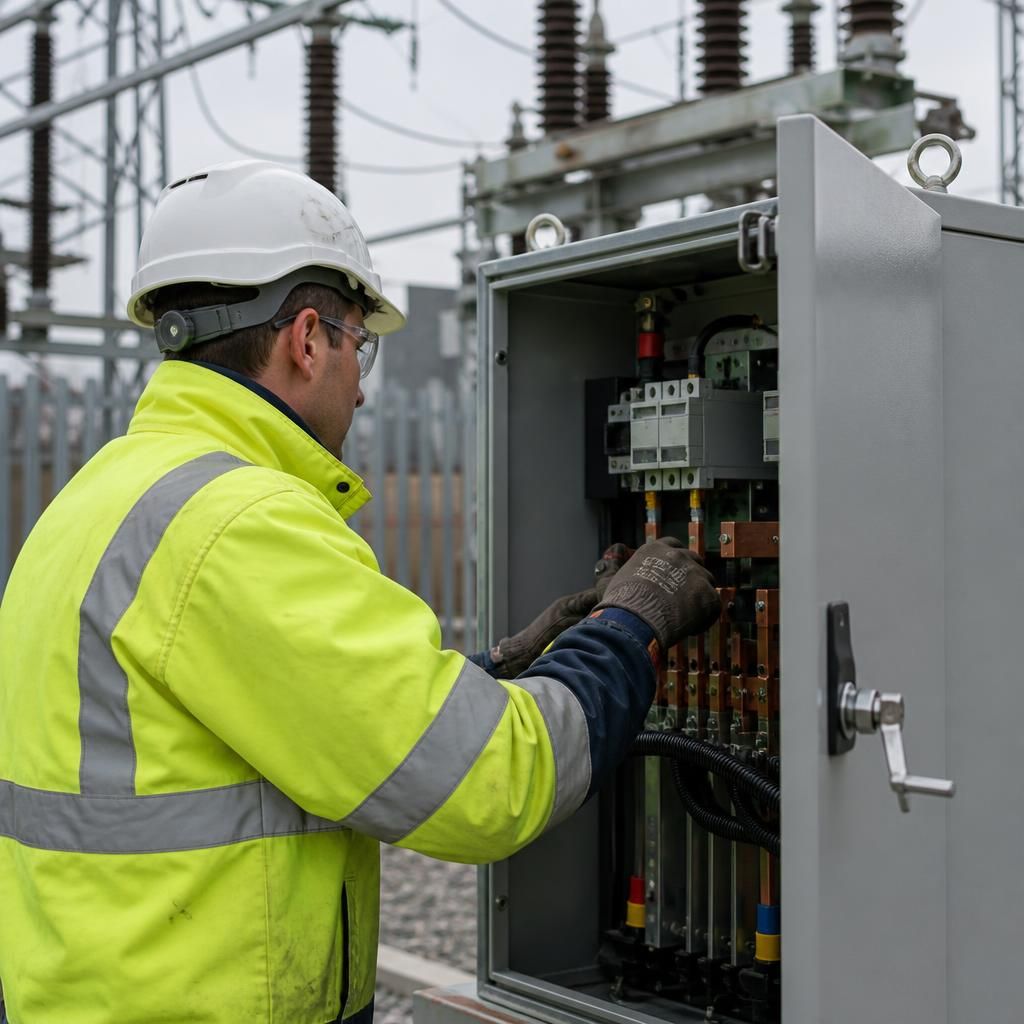
Power distribution and energy infrastructure benefit from powder coating where metal components need a tough insulating barrier as well as protection from handling, moisture and corrosion. Suitable applications may include enclosures, support plates, barriers and other fabricated parts used around electrical distribution equipment. The coating can help maintain separation between conductive surfaces, provided the specified dielectric properties, thickness and clearances are verified for the finished design.
This sector also illustrates why electrical insulation must be assessed as part of the complete assembly. Contact points, earth connections, joints and areas exposed to heat may require masking or a different insulation method. Powder coating is most appropriate when the component can be prepared and cured consistently, and when inspection or testing confirms that the coating meets the electrical and environmental demands of its intended use.