

How do powder coated aluminium products perform in terms of durability compared to traditional paint finishes?
Powder coated aluminium generally provides a tougher, more consistent finish than traditional liquid paint because the powder is electrostatically applied and cured to form a durable bonded layer. It offers strong resistance to chipping, abrasion, corrosion and weathering, while traditional paint is more vulnerable to peeling, scratching and deterioration where the coating is damaged or exposed to moisture.
Powder coated aluminium usually offers better long-term durability than a conventional liquid paint finish, provided the aluminium is correctly prepared and the coating system is specified for its environment. Its performance depends on the powder formulation, surface preparation, curing and exposure conditions, rather than on the application method alone.
The main difference is how the coating forms its protective film. Powder is applied as dry particles and then heated so the particles melt, flow and cure into a continuous layer. This produces a consistent finish with good adhesion when the aluminium has been properly cleaned, chemically treated and prepared. Liquid paint relies on a solvent or water-based carrier evaporating as the coating dries, and its final performance can be more affected by application conditions, film uniformity and drying defects.
For aluminium products, the practical durability advantages include:
- Resistance to abrasion: a correctly cured powder coating can withstand regular handling, contact and general wear better than many standard decorative paint finishes.
- Resistance to impact and chipping: the bonded film is less likely to lift or flake under ordinary service conditions, although a sharp or severe impact can damage any coating.
- Weather resistance: exterior-grade powder systems are designed to tolerate sunlight, rain and changing temperatures. The appropriate grade is important because not every powder is intended for prolonged outdoor exposure.
- Corrosion protection: the coating separates the aluminium from moisture and contaminants. Protection is strongest where the substrate, pretreatment and coating are all suitable for the environment.
- Finish consistency: powder can provide an even film across properly prepared components, with fewer brush marks, runs and variations than may occur with liquid paint.
Traditional paint can still be appropriate in some situations. It is often more practical for on-site repairs, small touch-ups or components that cannot be heated during curing. It can also offer greater flexibility where several coating layers or specialist wet-paint properties are required. However, exposed paint is more vulnerable to localised damage, moisture reaching the substrate and progressive peeling if the film loses adhesion.
Neither finish is immune to failure. Powder coating may be marked by abrasive contact, harsh chemicals, prolonged exposure to aggressive pollutants or incorrect cleaning products. Aluminium edges, recesses, joints and areas that receive impact deserve particular attention because coating coverage and mechanical damage can vary at these points. If the coating is cut through to the metal, prompt assessment and suitable repair can help prevent the damaged area becoming larger.
Surface preparation is therefore central to the comparison. Oils, oxides and contaminants must be removed, and the aluminium normally requires an appropriate conversion or pretreatment before powder is applied. If preparation is inadequate, even a high-quality powder may lose adhesion prematurely. Curing must also be controlled: under-cured powder can have reduced hardness and chemical resistance, while excessive heat or unsuitable processing can affect the finish.
For a fair comparison, the specification should consider the product’s location and use rather than simply choosing “powder coating” or “paint”. Relevant factors include indoor or outdoor exposure, sunlight, humidity, coastal or industrial contaminants, handling during installation, expected abrasion, contact with chemicals and the required appearance. A standard decorative powder may be suitable for a general indoor component, whereas an architectural or specialist exterior system may be more appropriate for exposed aluminium.
Powder coated aluminium is particularly valuable where a durable, uniform factory finish is required across batches of components. It reduces the likelihood of early cosmetic deterioration and can retain its protective function even where the finish experiences normal handling and weather exposure. Traditional paint may remain serviceable when correctly specified and maintained, but its performance is more dependent on the particular paint system and application conditions.
In summary, powder coating generally provides the more robust and consistent finish for aluminium products used in demanding or exposed applications. The advantage is not automatic: correct pretreatment, suitable powder selection, controlled curing, careful handling and appropriate maintenance determine whether the coating achieves its expected service life.
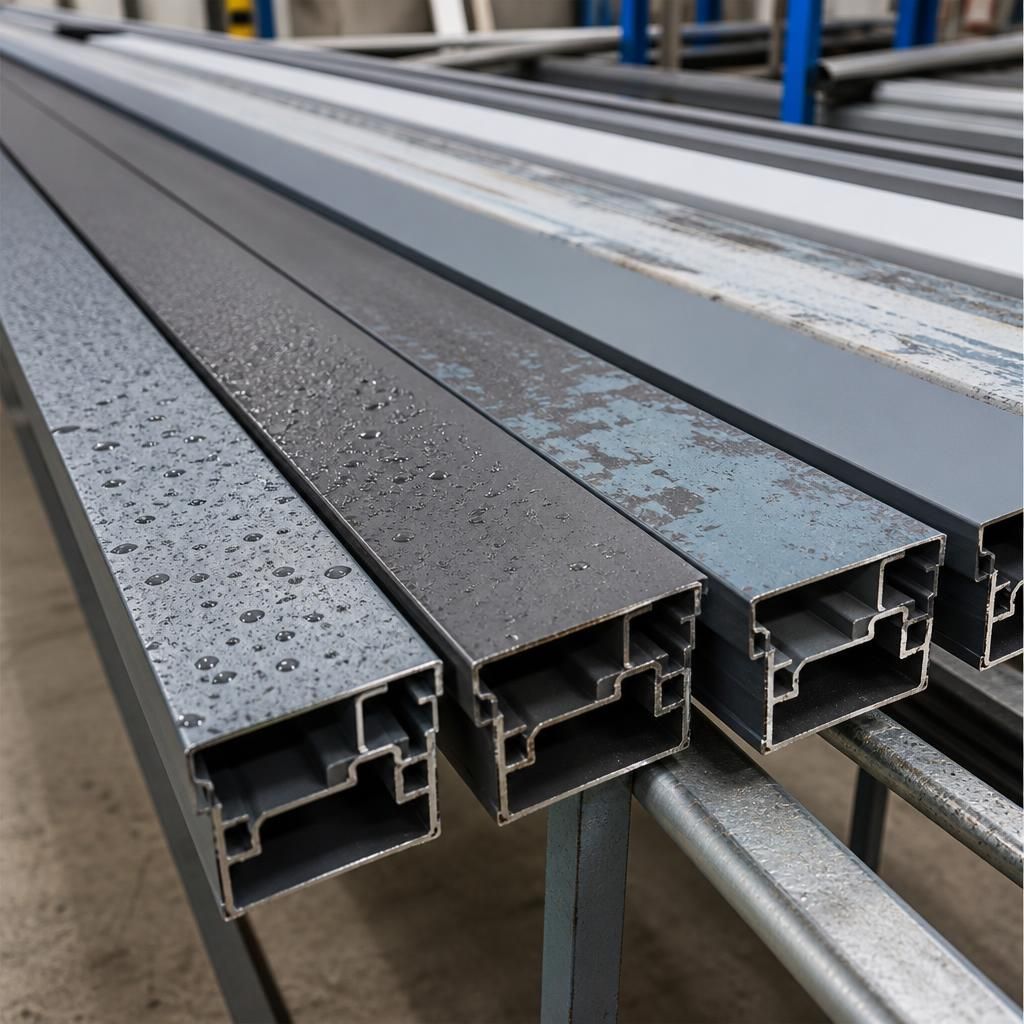
A meaningful durability comparison should assess more than whether the surface resists scratching. For powder coated aluminium, useful performance indicators include colour and gloss retention, resistance to chalking, continued adhesion and the absence of blistering or flaking. These characteristics show whether the finish is continuing to protect the component as well as maintaining its appearance.
Traditional paint may appear acceptable initially but show gradual fading, chalking or loss of adhesion as the coating ages. A suitable powder system can provide more stable long-term appearance and film integrity, particularly on aluminium exposed to sunlight and changing weather. The correct comparison should therefore consider the expected service environment and the required appearance throughout the product’s working life, not simply the finish immediately after application.
Discuss the Right Coating System for Your Aluminium Products
Share your aluminium components’ intended environment, handling conditions and finish requirements with the powder-coating team to discuss a suitable coating system. They can help you assess whether powder coating is the appropriate alternative to traditional paint for your application.