

What industries benefit the most from using high heat and heat-resistant epoxy coatings?
Automotive, manufacturing, engineering and selected construction applications benefit most from high heat and heat-resistant epoxy coatings where metal components face elevated temperatures, thermal cycling, chemicals or heavy wear. These coatings help protect components such as exhaust-related parts, industrial machinery, process equipment and heat-exposed fabricated metalwork from heat-related coating breakdown and surface deterioration.
Automotive, industrial manufacturing, engineering and specialist construction applications benefit most from high heat and heat-resistant epoxy coatings when metal components must withstand elevated operating temperatures alongside abrasion, chemicals or repeated temperature changes. The main advantage is that the coating is selected for the service conditions rather than simply for appearance. This makes it relevant to components exposed to heat during operation, cleaning, processing or contact with heated equipment.
Automotive applications can require protection for metal parts positioned close to engines, braking systems, thermal management equipment and other heat-generating assemblies. In these locations, a standard finish may deteriorate more quickly if it is exposed to repeated heating and cooling, road contamination or fluids. A suitable heat-resistant epoxy system can help maintain the protective barrier on brackets, guards, housings and fabricated assemblies, provided its temperature and chemical-resistance properties match the application.
Manufacturing and engineering businesses commonly use heat-resistant coatings on equipment and fabricated parts that operate near ovens, heated chambers, furnaces, dryers or process lines. The coating may be appropriate for machine components, frames, covers, guards, racks and handling equipment where the metal is exposed to heat and regular industrial wear. Selection should distinguish between a component that is near a heat source and one that is continuously exposed to the highest operating temperature, as these conditions place different demands on the coating.
Process and fabrication applications benefit where heat is combined with exposure to oils, cleaning agents, moisture, chemicals or abrasive materials. Examples can include housings, supports, enclosures and other fabricated metalwork used around industrial processing equipment. In these settings, heat resistance alone is not enough: the coating must also be compatible with the substances it will encounter and with the required cleaning regime.
Specialist construction projects may require heat-resistant protection for fabricated metalwork associated with heating, ventilation, plant rooms or industrial building services. It is most suitable where the metal is subject to a defined thermal duty rather than ordinary ambient conditions. For external or heavily exposed building components, other factors such as ultraviolet light, moisture, impact and atmospheric corrosion may also affect the coating specification.
The industries most likely to gain value from this type of coating share several operating conditions:
- Elevated service temperatures: the metal regularly becomes hotter than equipment suited to a conventional powder-coated finish.
- Thermal cycling: the component repeatedly heats up and cools down, creating expansion and contraction that can test adhesion and coating flexibility.
- Combined chemical exposure: oils, solvents, process chemicals, detergents or moisture are present alongside heat.
- Mechanical wear: the surface is exposed to handling, vibration, rubbing, impact or airborne contamination.
- Long service intervals: recoating is disruptive or difficult because the component forms part of installed plant or a production system.
Industry alone does not determine whether a high heat epoxy coating is appropriate. The specification should consider the highest and continuous operating temperatures, the duration of exposure, the rate of temperature change, the substrate material, the required film build and any chemical or abrasion demands. It is also important to establish whether the coating must retain appearance, electrical insulation, corrosion protection or dimensional accuracy after repeated heating.
Some applications that appear similar may therefore need different coating choices. A component exposed to intermittent heat may have a different requirement from one held at a high temperature continuously. Likewise, a part inside an enclosed machine may face different ultraviolet and weathering conditions from a component installed outdoors. Confirming the actual operating environment before coating helps prevent an otherwise suitable product being used outside its intended range.
For B2B coating projects, useful information to provide at the specification stage includes the metal type, component dimensions, expected temperature range, exposure duration, chemicals present, cleaning methods and any areas that must remain uncoated. This allows the coating system and preparation method to be assessed against the conditions found in the relevant industry, rather than selected solely by colour or general-purpose corrosion protection.
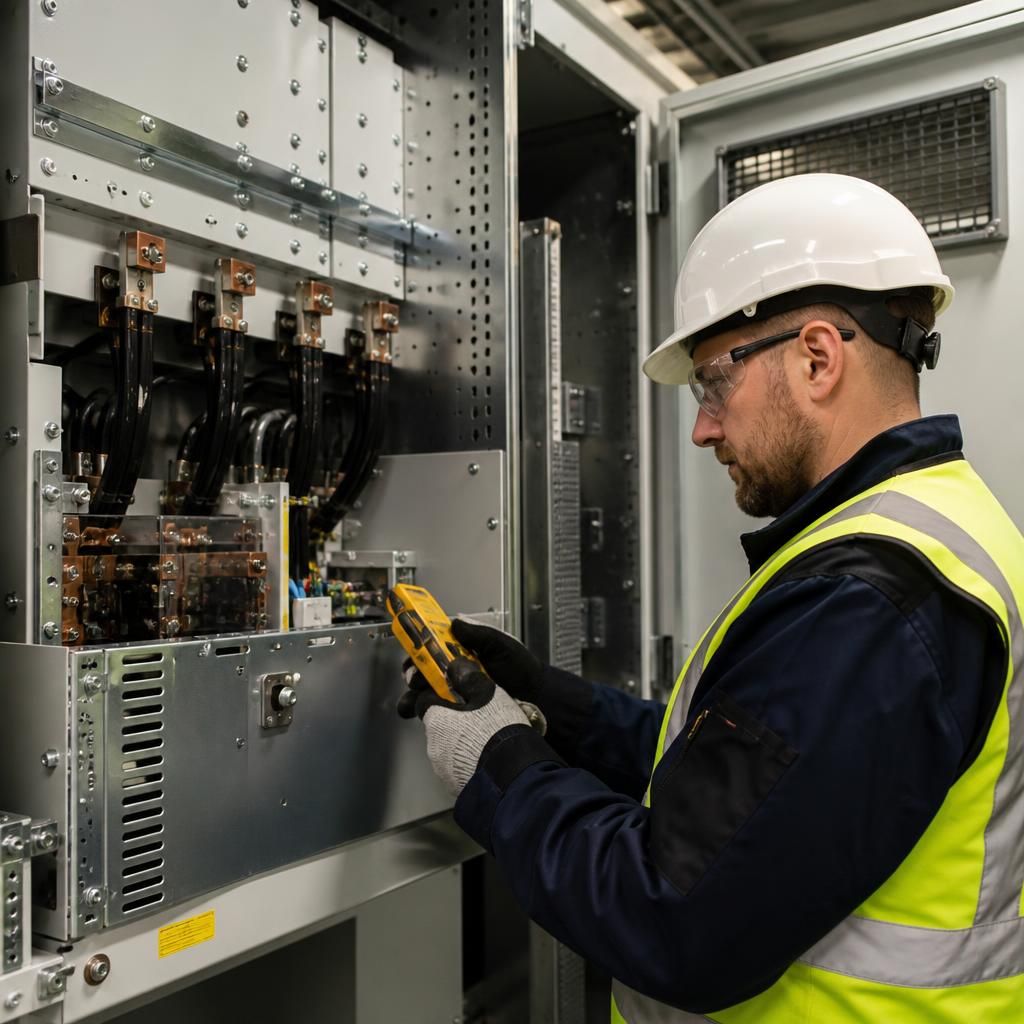
Power-generation and electrical engineering businesses may also benefit where metal housings, supports, guards or enclosures are positioned close to heaters, engines, transformers or other heat-producing equipment. In these applications, the coating specification must address more than temperature: corrosion protection, contamination, access for inspection and any electrical insulation requirements may also be important.
Heat-resistant epoxy is not automatically suitable for every electrical or power-related component. The operating temperature, exposure duration and whether the coated part forms part of an energised assembly should be confirmed before selection. This helps ensure the coating supports the component’s functional requirements rather than being chosen solely for its resistance to heat.