

What surfaces or materials can be powder coated on a vehicle?
Powder coating is primarily suitable for clean, heat-tolerant metal vehicle parts, including steel, aluminium and cast components such as wheels, brackets, frames, suspension parts and engine components. Plastics, rubber, glass and parts containing seals or heat-sensitive electronics are generally unsuitable unless a specialist low-temperature coating process is appropriate.
The most suitable vehicle surfaces for powder coating are bare, properly prepared metal substrates that can withstand the coating oven’s curing temperature. This includes common ferrous metals, aluminium-based components and many cast-metal parts. Suitability depends not only on the material, but also on its thickness, condition, shape, intended use and whether it can be safely stripped, prepared and cured as a separate component.
Common metal substrates include:
- Mild steel: widely used for structural and fabricated vehicle components. It can accept a broad range of powder systems when rust, oil, scale and existing coatings have been removed.
- Stainless steel: can be coated, although its smooth, corrosion-resistant surface normally requires an appropriate preparation method to promote adhesion.
- Aluminium and aluminium alloys: suitable for many lightweight components. Their surfaces need careful cleaning and preparation because oxide formation can affect adhesion.
- Cast iron and other cast metals: often coatable, provided the casting is clean, dry and free from trapped oil, moisture or contaminants within its pores.
- Zinc-coated or galvanised steel: may be suitable where the existing zinc layer is sound and the preparation system is compatible. The coating specification must account for possible outgassing and the condition of the zinc surface.
Powder can cover both broad, visible faces and more detailed metal profiles. Suitable examples include tubular sections, pressed sections, welded fabrications, perforated panels, flanges and formed brackets. The shape must allow the part to be cleaned thoroughly and suspended securely, while recessed areas must be assessed to ensure that the powder can reach them and that drainage and curing are not obstructed.
Not every area of an otherwise suitable component should necessarily be coated. Threaded holes, precision bores, bearing seats, machined mating faces, electrical earth points and close-tolerance interfaces may need masking. Coating these areas could affect fit, conductivity, assembly or movement. Drain holes and vents should also remain clear where they are needed for the component’s function. Masking and racking are therefore part of assessing the usable surface, rather than simply coating every exposed section.
Vehicle parts are normally treated as individual components rather than as complete assemblies. Bearings, bushes, seals, cables, sensors, wiring, adhesives and other heat-sensitive attachments generally need to be removed or protected before processing. This is particularly important for parts with enclosed cavities, because trapped moisture, oil or air can cause defects during heating. Hollow sections should have suitable openings for preparation, drainage and safe curing.
Surface condition is as important as the underlying material. Corrosion, grease, road deposits, welding residue, mill scale and loose previous finishes can prevent a consistent bond. Fabrications should also be checked for sharp edges, weld spatter and poorly finished joints, since these features can affect coverage and appearance. Where an existing coating is present, its adhesion and composition need to be considered before deciding whether it can remain or must be removed.
Material compatibility also affects the choice of powder system. A part exposed to stone impact, road salt, moisture, brake dust, heat or repeated handling may need a different formulation and finish from a decorative interior trim component. The required appearance—such as a smooth, textured, satin or gloss finish—must be balanced with the component’s operating conditions and the level of surface preparation possible.
For an accurate assessment, provide the coater with the component material, dimensions, weight, current surface condition, service environment and any areas that must remain uncoated. A review of drawings or sample parts can identify masking requirements, hanging points, potential outgassing risks and whether the complete component can pass safely through the preparation and curing stages.
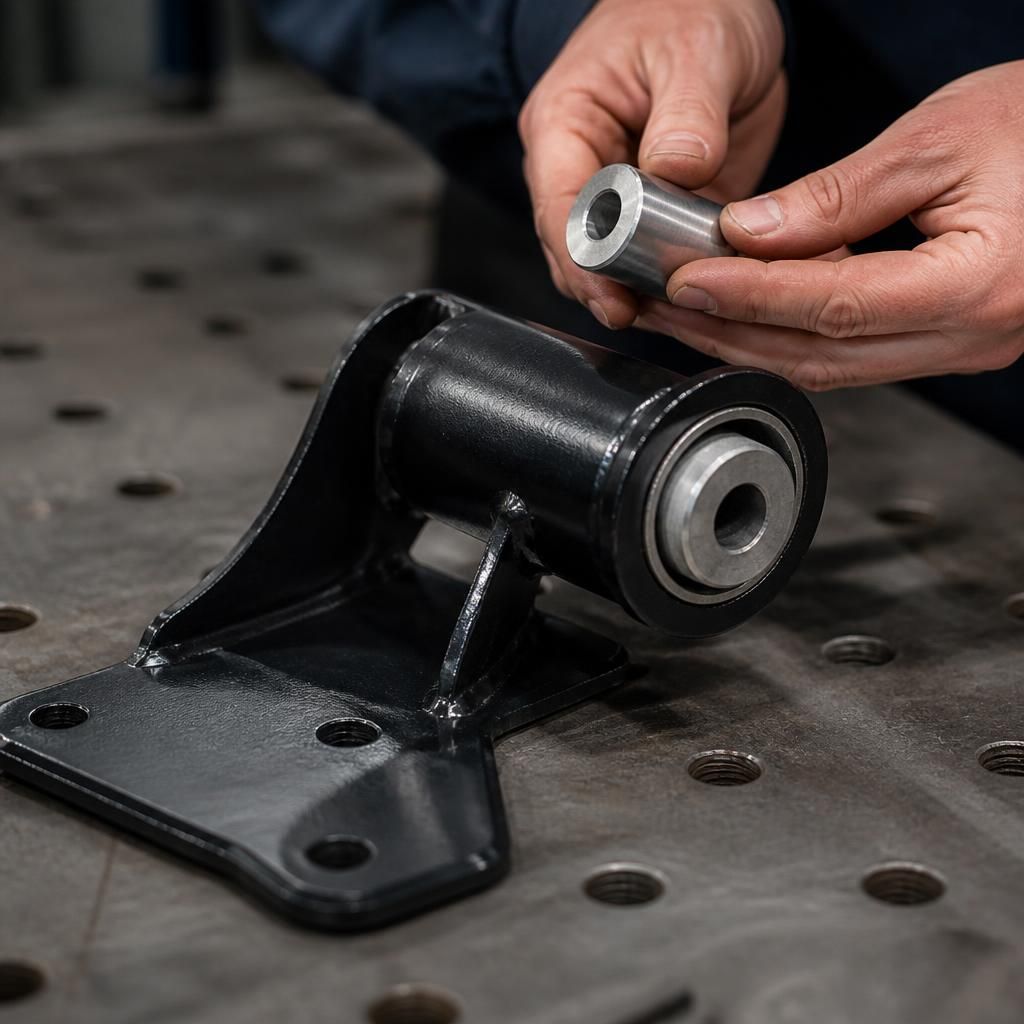
Vehicle parts made from more than one metal need particular care. A steel bracket with an aluminium insert, for example, may require the materials to be separated before coating so each surface receives suitable preparation. Coating a mixed-metal assembly as one piece can also leave joints, contact points or hidden interfaces inaccessible. Identifying every material in the component helps determine whether it should be dismantled, masked or processed as separate parts.
Check Whether Your Vehicle Parts Can Be Powder Coated
If you are unsure whether a vehicle component is suitable, contact Powder-coatings.co.uk with its material, dimensions and intended use for an informed assessment. Include details of any areas that must remain uncoated so preparation and masking requirements can be considered.