

How does chromate powder coating pretreatment contribute to improved corrosion resistance?
Chromate powder coating pretreatment improves corrosion resistance by forming a protective conversion layer on the metal before powder is applied. This layer helps inhibit corrosion at the surface and supports stronger adhesion, reducing the risk of moisture and contaminants reaching the substrate through weaknesses in the coating.
Chromate powder coating pretreatment improves corrosion resistance by changing the metal surface into a corrosion-inhibiting conversion layer before the powder coating is applied. This layer helps control the electrochemical reactions that cause oxidation, while the powder coating provides the main external barrier against water, oxygen, salts and other contaminants.
Corrosion begins when moisture and an electrolyte allow local anodic and cathodic reactions to take place on the metal. A properly formed chromate conversion layer reduces the reactivity of the surface and helps interrupt these reactions. It can also provide a degree of inhibition around small imperfections, scratches or cut edges, limiting the tendency for corrosion to spread beneath the surrounding coating.
The treatment works as part of a coating system rather than as a substitute for the powder finish. The powder coating supplies thickness, mechanical protection and resistance to the surrounding environment, while the conversion layer supports the metal-to-coating interface. When these layers are compatible and correctly applied, the system is better able to resist underfilm corrosion, blistering and loss of finish caused by moisture entering through local defects.
Its contribution depends heavily on preparation quality. Oil, grease, mill scale, oxides, dust and other residues can prevent the conversion treatment from contacting the metal uniformly. Cleaning, rinsing and process control must therefore be suitable for the substrate and the intended service conditions. Inconsistent chemical concentration, contact time, temperature or rinsing can leave areas with weaker protection, even when the powder coating itself has been applied correctly.
Substrate type is also important. Aluminium alloys, zinc-coated steel and other metals respond differently to pretreatment chemistry, so the process should be selected and controlled for the particular alloy, surface condition and component design. Areas such as recesses, joints, folds and drainage points deserve attention because retained moisture in these locations can create a more aggressive local environment.
Chromate pretreatment is particularly relevant where components may encounter humidity, condensation, road salts, industrial pollutants or other corrosive exposure. The expected environment should be considered alongside the powder chemistry, coating thickness, edge geometry and any later machining or assembly. A suitable specification should define the substrate, preparation stages, pretreatment type, powder system and performance checks rather than treating pretreatment as an isolated step.
Testing can help confirm that the complete system is performing as intended. Depending on the application, assessment may include visual inspection, adhesion testing, exposure testing and checks for corrosion spreading from a deliberate scribe or damaged area. These tests do not replace correct process control, but they can reveal whether the surface preparation and coating system are appropriate for the required level of protection.
Chromate chemistry must also be selected with proper regard to health, environmental and regulatory requirements. Traditional hexavalent chromium processes are subject to significant controls, and approved alternatives or trivalent systems may be more appropriate for some applications. The choice should be made with reference to the substrate, required corrosion performance, applicable regulations and the chemical supplier’s process guidance.
In practical terms, chromate pretreatment improves corrosion resistance by strengthening the overall coating system at the metal surface and by helping contain corrosion when the outer finish is locally damaged. It is most effective when the pretreatment, powder coating and component design are specified as one coordinated system for the conditions the finished part will face.
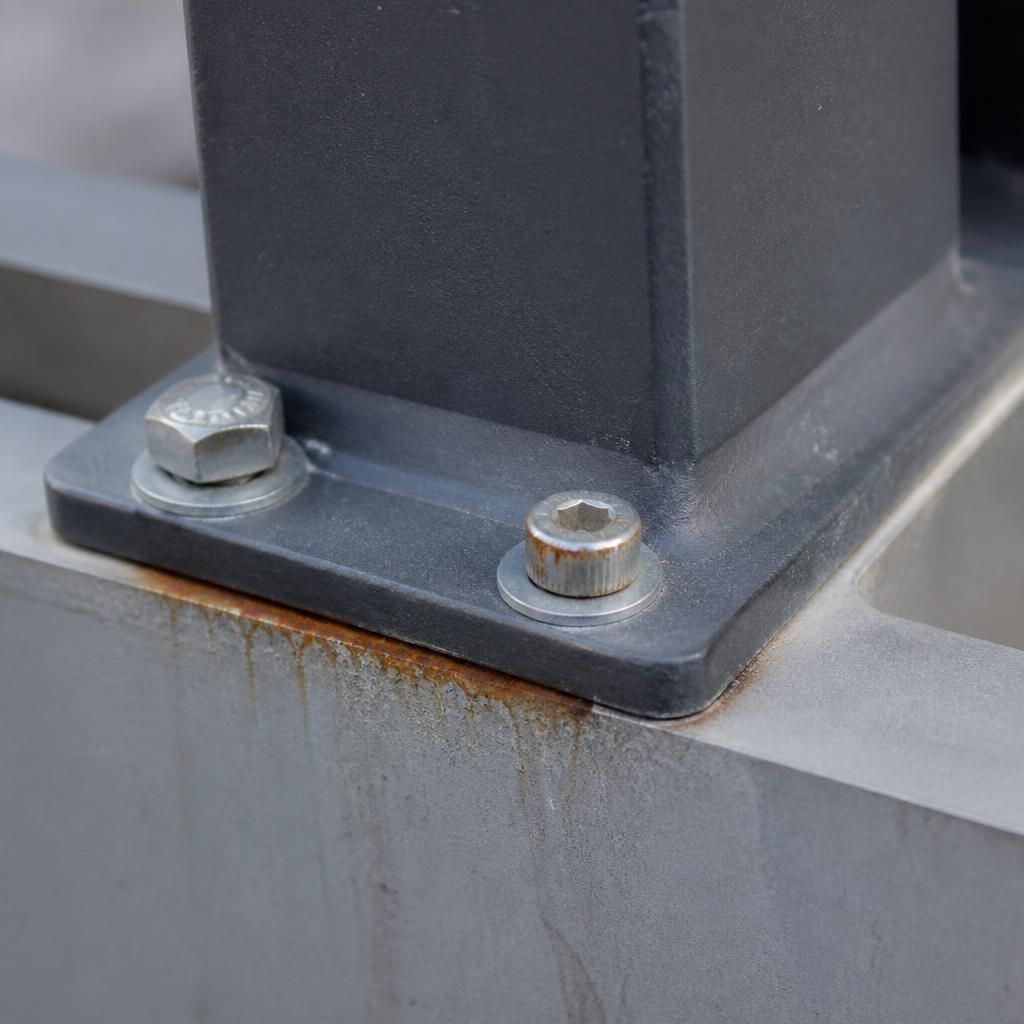
Chromate pretreatment cannot prevent galvanic corrosion caused by contact between dissimilar metals after assembly. If coated aluminium, steel or zinc-coated parts are joined with conductive fasteners, moisture can create an electrochemical cell at the joint, particularly where the coating has been drilled, cut or compressed. Corrosion resistance is therefore improved when the finished design limits water retention, protects exposed interfaces and uses suitable sealing or isolation methods where dissimilar metals meet.
Discuss Your Chromate Powder Coating Pretreatment Requirements
Discuss your component’s substrate, service environment and coating specification with Powder-coatings.co.uk to assess whether chromate pretreatment is suitable for the required corrosion resistance. Providing drawings, material details and expected exposure conditions can help establish an appropriate coating system.