

How does anti-corrosion powder coating improve the lifespan of metal components?
Anti-corrosion powder coating extends the lifespan of metal components by forming a tough, continuous barrier that limits exposure to moisture, oxygen and other corrosive contaminants. This helps prevent rust, preserves the component’s structural integrity and reduces the need for premature replacement or maintenance.
Anti-corrosion powder coating can extend the service life of metal components by controlling the conditions that cause corrosion and by resisting the physical and chemical damage that can expose the underlying metal. Its effectiveness depends on the complete coating system: the substrate, surface preparation, powder formulation, film thickness, curing conditions, component design and the environment in which the part will be used.
Improved adhesion and coating continuity
Powder coating is applied as a dry powder and then cured to form a bonded polymer film. When the metal has been correctly cleaned and pre-treated, the coating adheres firmly to the surface rather than behaving like a loose layer that can lift or flake. Good adhesion is particularly important at edges, corners, joints and areas subject to handling, because local coating failure can give corrosion a starting point beneath the finish.
The application method can also produce an even finish across suitably prepared components. Consistent coverage reduces weak areas caused by runs, brush marks or uneven application. However, geometry still matters: recesses, sharp edges, internal faces and areas that are difficult to reach may require specific racking, spraying or coating arrangements to achieve the required protection.
Resistance to mechanical damage
Metal parts used in manufacturing, construction and automotive applications may be exposed to impact, abrasion, vibration, handling and contact with other components. A correctly selected and cured powder coating can provide resistance to these forms of wear, helping the finish remain intact during service. This reduces the likelihood that scratches, scuffs or abrasion will expose bare metal.
The correct specification depends on the duty of the component. A finish intended for an indoor enclosure may not be suitable for a part exposed to repeated impact, road debris or industrial handling. Coating selection should therefore consider how the component is transported, installed, assembled and used, rather than being based on colour or appearance alone.
Protection in different operating environments
Corrosion rates vary according to exposure. Humidity, condensation, salt, industrial pollutants, cleaning chemicals, fertilisers and other contaminants can all affect coating performance. Powder coating can be specified for the expected service conditions, but the resin, pre-treatment and coating build must be appropriate to the environment.
Outdoor components also need resistance to weathering and ultraviolet exposure. If sunlight causes a finish to degrade, chalk or lose cohesion, the protective function may eventually be affected even if the component has not suffered obvious impact. For demanding applications, the coating specification should address both corrosion resistance and weathering performance.
Correct system design is essential
A powder topcoat is not always the complete corrosion-control solution. Where the risk is higher, a multi-layer system may be considered, using a suitable primer beneath the finishing coat. This approach can provide additional protection and may be relevant to steelwork, fabricated assemblies or components exposed to aggressive conditions. The appropriate system must be selected according to the base metal, expected exposure and required durability.
Component design also affects service life. Water traps, unsealed joints, overlapping sections and unprotected cut edges can retain moisture or contaminants and create localised corrosion risks. Drainage, access for coating application, suitable weld finishing and protection of exposed edges should be considered before coating. These measures support the coating system but cannot compensate for unsuitable design or severe damage during installation.
Why curing and quality control matter
Powder coating must be cured within the conditions specified for the particular product. Insufficient curing can affect adhesion, hardness and chemical resistance, while excessive or uneven heating can affect the finish or the substrate. The component’s material, mass and geometry influence how heat reaches the metal, so curing is not simply a matter of applying powder and heating the outside surface.
Quality checks may include examining the finish for defects, checking coverage and assessing film thickness where the specification requires it. Components should also be protected from unnecessary damage after coating. Even a well-designed system can lose service life if it is scraped during packing, storage, transport or assembly.
Maintenance and inspection
Powder coating reduces the rate at which deterioration can occur, but it does not remove the need for inspection. Components should be checked for chips, deep scratches, blistering, lifting, staining and corrosion around fixings, seams or damaged edges. Dirt and deposits should be removed using a cleaning method compatible with the coating, particularly where contaminants could remain in contact with the surface.
Minor damage should be assessed and repaired before it spreads beneath or around the surrounding finish. The repair method will depend on the coating system, component use and extent of the defect; a touch-up product may not provide the same performance as the original factory-applied finish. Where a component is safety-critical or exposed to severe conditions, the inspection and repair requirements should be defined as part of the coating specification.
In practical terms, powder coating improves component longevity when it is treated as a complete corrosion-control system rather than as a decorative layer. Matching the coating to the metal and environment, preparing the surface correctly, applying and curing the powder consistently, and preventing damage during service are the factors that determine how effectively the coating preserves the component over time.
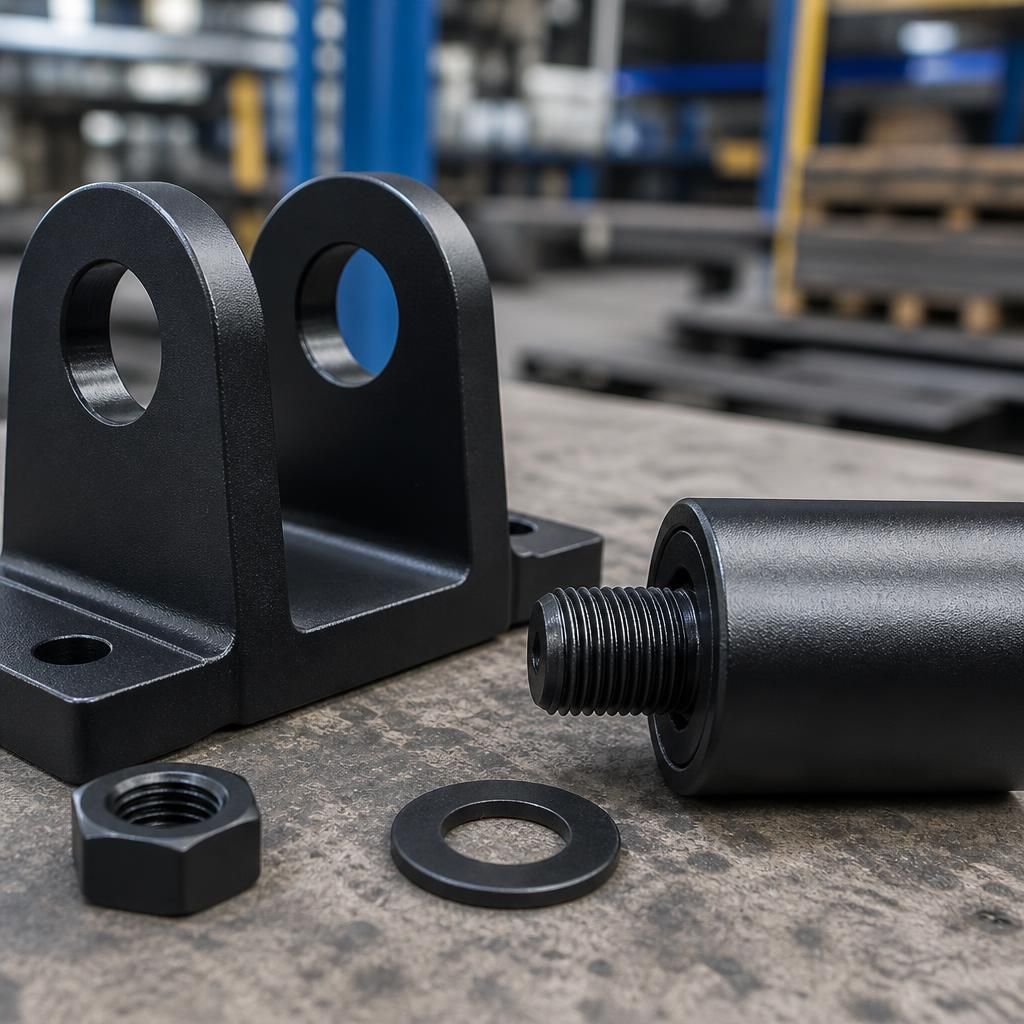
Anti-corrosion powder coating can extend a component’s useful life by helping preserve the dimensions and interfaces that allow it to function correctly. Corrosion does not only affect appearance or structural strength; rust build-up can interfere with fasteners, close-fitting parts, hinges, brackets and mating surfaces, making assembly, adjustment or removal more difficult.
Protection must be planned around areas that must remain electrically or mechanically functional. Threads, contact points, bearing surfaces and precision fits may need to be masked or otherwise treated according to the component’s design. This allows the coating to protect exposed metal without changing critical clearances or preventing reliable connections. Preserving these interfaces can help a coated part remain serviceable for longer, even where its main role depends on accurate fit rather than appearance alone.
Discuss your anti-corrosion powder coating requirements
Discuss your anti-corrosion powder coating requirements with the team, including the component material, operating environment and expected level of exposure. This information helps determine a suitable coating system and preparation approach for your metal parts.