

Can powder coated aluminium tubes be used outdoors and what maintenance do they require?
Yes, powder coated aluminium tubes can be used outdoors because the coating provides a durable barrier against weathering and corrosion, provided the aluminium is correctly pre-treated and the coating specification suits the exposure conditions. Maintenance normally involves regular cleaning with mild detergent and water, followed by inspection for damage, contamination or areas where moisture could reach the metal.
Outdoor performance depends on the relationship between the aluminium tube, the powder coating specification and the environment in which it is installed. A tube used on sheltered architectural equipment will experience less stress than one exposed to coastal salt, road spray, industrial pollutants, persistent moisture or strong sunlight. The coating should therefore be selected for the actual exposure rather than treated as a one-size-fits-all finish.
Factors that affect outdoor durability
- Ultraviolet exposure: prolonged sunlight can gradually alter colour and reduce gloss. This is mainly an appearance issue, although deterioration of the coating surface can eventually make it easier for contamination to adhere.
- Moisture retention: water trapped at tube ends, joints, brackets or behind fittings can create a more aggressive local environment. Designs should allow water to drain rather than remain in enclosed gaps.
- Salt and pollutants: coastal atmospheres and areas affected by traffic or industrial emissions can deposit corrosive contaminants on the surface. These locations generally need more attentive care than clean, sheltered environments.
- Mechanical contact: impact, rubbing, cutting, drilling and poorly protected storage can breach the finish. Once the coating is damaged, the exposed area needs attention before corrosion products or contamination develop around it.
- Compatibility with adjacent materials: fixings, brackets and supports should be selected so that moisture does not create an avoidable corrosion risk between dissimilar metals. Isolation washers, suitable sealants or protective interfaces may be appropriate depending on the assembly.
Maintenance should include more than surface appearance
During routine checks, look at tube ends, corners, weld areas, drilled holes, joints, clamps and points where the component touches another material. These locations are more likely to suffer from coating damage or retain moisture than the broad faces of the tube. Check for blistering, lifting, cracking, powdering, unusual staining, exposed metal and corrosion around fixings. A small defect is easier to manage before it spreads beneath the surrounding coating.
Remove deposits such as salt, mud, bird contamination, cement residue and oily industrial dirt using a soft cloth or non-abrasive equipment. Do not use scouring pads, wire brushes, aggressive alkaline or acidic cleaners, or solvents unless their compatibility with the coating has been confirmed. Abrasive methods can alter the gloss and texture even when they do not visibly remove the finish. Any cleaning residue should be removed thoroughly so that chemicals are not left concentrated at seams or joints.
High-pressure washing also needs care. Excessive pressure or a close-held nozzle can force water into joints, damage a weak area or lift a coating that has already been compromised. Cleaning equipment should not be directed into open tube ends, drainage points, seals or electrical interfaces.
Installation details are part of long-term maintenance
Where aluminium tubes are cut, drilled or modified after coating, the newly exposed edges and internal surfaces require suitable protection. Unprotected cut ends can collect moisture and provide a route for corrosion or staining. If possible, fabrication, drilling and other machining should be completed before the final coating is applied. End caps, seals and drainage arrangements should also be checked periodically because failed seals can allow water to remain inside the assembly.
Contact with wet cement, mortar, plaster or other strongly alkaline building materials should be avoided. Construction residues can mark or attack the surface if they remain in place. Protective wrapping during installation can reduce damage, but it should not trap water against the coating for an extended period.
Dealing with coating damage
Minor marks can often be managed by cleaning and drying the affected area, removing any loose material and applying a compatible repair product specified for the coating system. A touch-up may protect the exposed aluminium, but it may not reproduce the original texture, colour or gloss exactly. Repairs should not simply cover active corrosion or contamination.
Larger scratches, impact damage, widespread chalking or local coating failure may require assessment by a powder-coating specialist. The repair approach can involve local preparation and recoating, or complete removal and refinishing where the finish has deteriorated across a substantial area. Colour matching can be more difficult where the existing coating has weathered, so the visual result should be considered as well as the protective function.
For industrial projects, maintenance requirements should be agreed at the specification stage. Record the coating type, colour, texture and any restrictions supplied by the coater, then match the inspection routine to the exposure conditions and the consequences of coating failure. Powder-coated aluminium tubes can provide durable outdoor service, but their lifespan is influenced just as much by design, handling, installation and maintenance as by the coating itself.
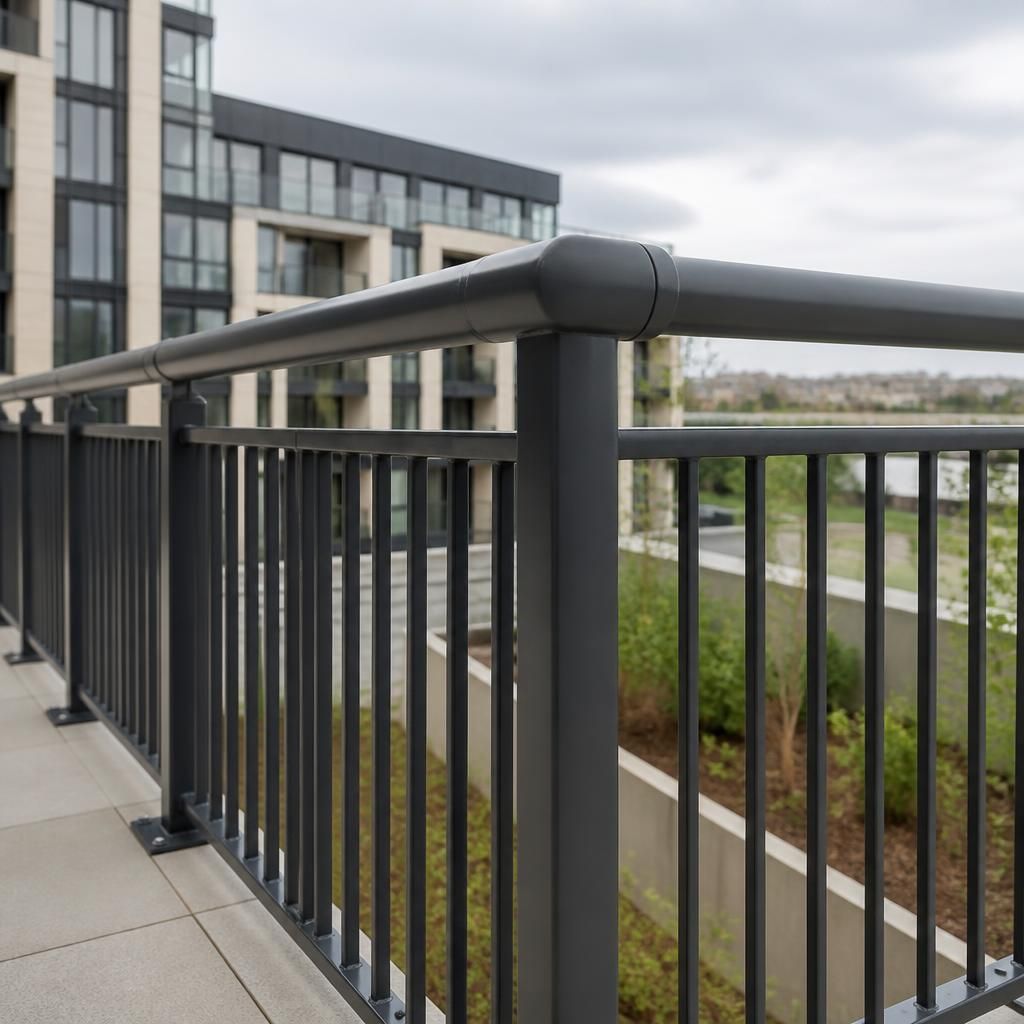
Outdoor suitability should be confirmed before coating, not assumed from the presence of a powder finish alone. The specification should identify aluminium as the substrate, the intended exposure environment and the required appearance, including colour, gloss and texture. Pre-treatment and powder selection must be compatible with those conditions so the coating bonds effectively and provides the intended protection.
For a project involving repeated batches or replacement components, keep the coating specification and care instructions with the production records. Using the same approved system helps maintain a consistent appearance and avoids introducing a finish with different weathering or cleaning characteristics.
Discuss your outdoor aluminium tube coating requirements
Discuss your outdoor aluminium tube requirements with Powder-coatings.co.uk, including the exposure conditions, tube design and required finish, so a suitable coating specification can be considered. Drawings, photographs or batch details can help inform the assessment.