

How does the nylon powder coating process ensure durability and protection for metal surfaces?
The nylon powder coating process protects metal by thoroughly preparing the surface, applying nylon powder evenly and heating it so the particles melt and form a continuous, strongly bonded layer. This cured thermoplastic finish provides durable resistance to abrasion, impact, moisture and corrosion, helping shield the underlying metal during demanding industrial use.
Nylon powder coating ensures durable protection by combining a tough thermoplastic material with controlled bonding, coverage and inspection. The finished layer does more than sit on the metal: it forms a resilient barrier that can absorb knocks, tolerate repeated contact and reduce the opportunity for moisture or contaminants to reach the substrate.
The choice of nylon grade is important because different formulations are designed for different service conditions. A coating intended for moving or contacting parts may prioritise low friction and wear resistance, while another may be selected for impact resistance, chemical exposure or outdoor use. The coating specification therefore needs to reflect the component’s operating environment, the type of contact it will experience and any cleaning agents or fluids that may be present.
Durability starts with the bond between the coating and the metal. Surface preparation removes contaminants and creates a suitable foundation, but the process must also account for the substrate itself. Steel, aluminium and other metals differ in their surface characteristics, heat response and electrical behaviour. These differences influence how the powder is deposited and how the coating fuses, so the process parameters are selected for the particular metal, component geometry and coating system rather than applied identically to every job.
Component design and handling also affect protection. Corners, recesses, holes and edges can be more difficult to coat consistently than broad, accessible faces. Appropriate racking and masking help keep critical areas free from unwanted material while allowing the powder to reach the surfaces that require protection. The orientation of the part and the method of powder deposition are considered to limit thin spots, excessive build-up and areas where the coating could be damaged during removal from the line.
Nylon powder can be applied using processes such as electrostatic spraying or fluidised-bed coating. Electrostatic application is useful where controlled coverage is required across shaped components, whereas a heated part may be immersed in fluidised powder to create a coating around suitable geometries. In both cases, the material must reach the correct fusion condition. Too little heat or insufficient dwell can leave an incompletely formed film; excessive heat can affect the coating’s appearance or performance. Process control is therefore based on the coating manufacturer’s requirements, the metal’s thermal mass and the shape of the component.
Once fused, the nylon layer has a degree of toughness that helps it withstand mechanical service. Unlike a brittle surface treatment, a properly formed thermoplastic coating can accommodate minor impact and repeated handling without readily chipping away. Its performance still depends on the severity of the service: sharp edges, severe abrasion, concentrated loads and incompatible chemicals can challenge any finish. The appropriate nylon formulation and film build must therefore be matched to the actual duty of the part.
Cooling is another controlled stage. The component should be allowed to cool without being dragged, stacked or exposed to handling that could mark the softened surface. On complex parts, cooling behaviour can vary between thick and thin sections, so careful handling helps preserve an even finish and avoids damage before the coating has reached its final working condition.
Quality checks verify that the process has produced a protective film rather than merely an attractive appearance. Depending on the component and specification, checks may include:
- visual examination for missed areas, runs, pinholes, contamination and uneven coverage;
- coating thickness checks to identify insufficient protection or excessive build-up;
- adhesion assessment to confirm that the layer is properly attached to the prepared substrate;
- inspection of edges, recesses, bores and masked areas, where process defects are more likely to occur; and
- functional or performance testing where the part will face defined wear, impact, chemical or environmental conditions.
These checks are particularly useful for batch production because they help maintain consistent coverage from one component to the next. Drawings, masking requirements, coating specifications and acceptance criteria should be agreed before processing, especially where mating dimensions, electrical contact points or moving interfaces must remain within tolerance.
In practice, the durability of nylon powder coating is the result of several linked controls: selecting a suitable nylon system, preparing the correct substrate condition, managing deposition around the component’s geometry, fusing the material within its specified process window, protecting the surface during cooling and verifying the finished coating. A specialist Midlands coating service can use these principles when assessing metal parts for industrial production, with collection and delivery options available for businesses across the region and surrounding areas.
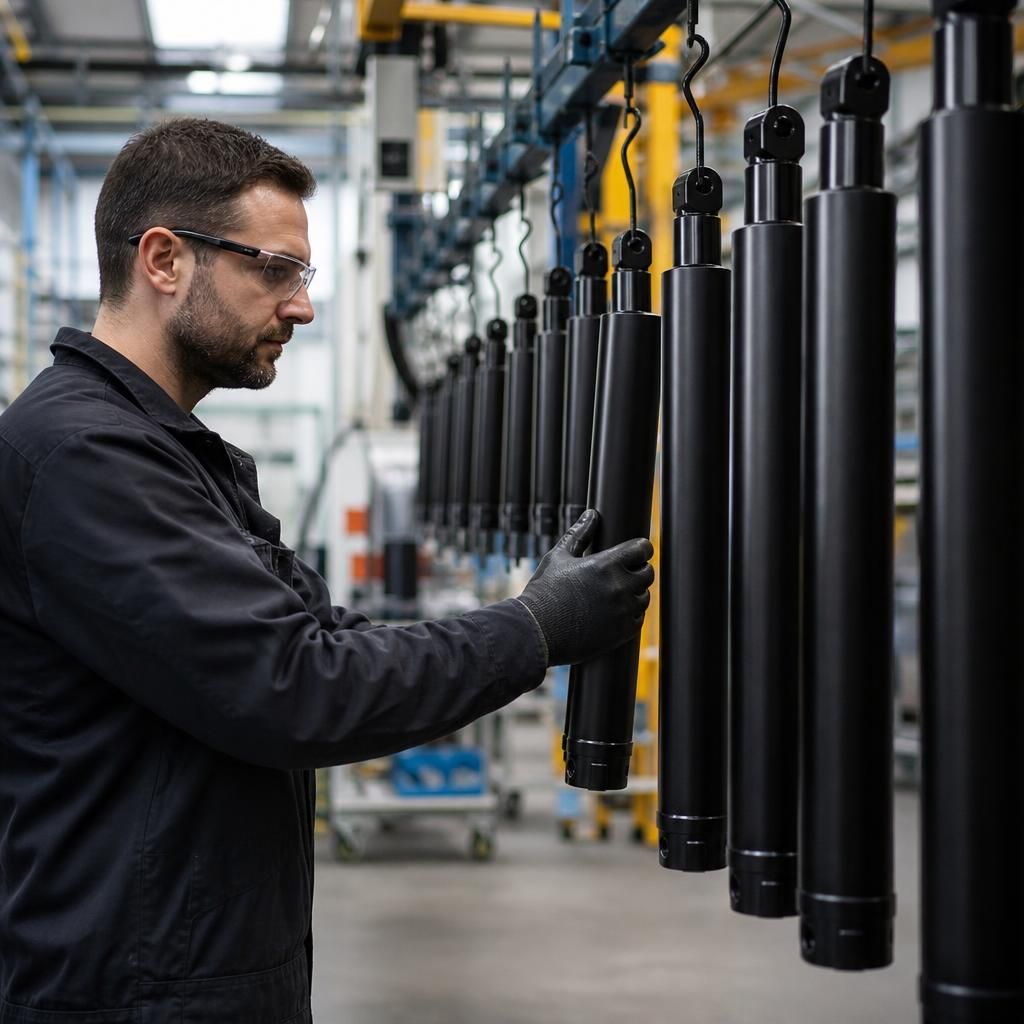
The coating-to-metal interface is a critical part of long-term protection. Depending on the nylon system and the component’s service conditions, a compatible primer or tie coat may be specified beneath the powder. This intermediate layer helps the nylon remain attached when the part experiences repeated loading, temperature changes or contact with moisture. The correct interface system is selected alongside the metal type and nylon grade, rather than treated as a separate finishing decision.
Discuss your nylon powder coating requirements
Discuss your nylon powder coating requirements with the Midlands coating team, providing details of the metal, component design, operating conditions and required finish. This allows the coating approach to be considered against the part’s intended use and production needs.