

What is the typical turnaround time for high temp powder coating projects?
There is no fixed turnaround time for high temp powder coating projects, as it depends on batch size, surface preparation, coating specification, curing requirements and production scheduling. A firm estimate can be given once the parts, quantities and required finish have been assessed.
The practical turnaround for a high temperature powder coating project is the time required to prepare, coat, cure, inspect and return the components, rather than the time spent applying the powder alone. For production-ready parts with an agreed specification, the coating provider can give a more useful project estimate after reviewing the components, quantities and required finish.
A typical project passes through several stages:
- Specification review: the coating type, colour, film requirements, operating temperature and any masking or finish requirements are confirmed.
- Part preparation: components may need cleaning, removal of existing coatings, blasting or other preparation before powder can be applied. The condition of the metal and the level of contamination can affect this stage.
- Preparation for coating: parts are arranged on suitable racks or fixtures, with areas such as threads, contact points and machined surfaces masked where necessary.
- Application and curing: the powder is applied and cured according to the requirements of the selected product and the component. Large, heavy or unusually shaped parts may require more careful handling through the oven process.
- Inspection and finishing: the completed coating is checked for coverage, adhesion, appearance and any agreed specification points before the parts are packed for collection or delivery.
Batch organisation can have a significant practical effect on the schedule. Parts that can be processed together using the same coating specification generally require less production coordination than mixed batches involving different colours, powders, masking arrangements or curing requirements. A large batch may therefore be efficient to process, but it can require more preparation, handling space and inspection before it is ready to leave the facility.
High temperature applications also need careful specification before production starts. The chosen powder must be suitable for the component’s service conditions, and the curing process must be compatible with the substrate and any heat-sensitive features. If the specification changes after work has been planned, additional preparation or a revised production sequence may be needed.
Transport should be included when calculating the overall project turnaround. The coating process may be complete before the parts are collected or delivered, particularly where components are large, awkward to handle or being moved as a consolidated consignment. Packaging requirements also matter: coated parts need protection from impact, abrasion and contact damage during handling and transit.
For an accurate estimate, provide the coater with drawings or photographs where relevant, the part dimensions and weights, quantities, existing surface condition, coating specification, masking requirements and delivery arrangements. It is also useful to identify whether the project is a one-off batch or part of a repeat production schedule. This information allows preparation, production, inspection and logistics to be considered together rather than estimating the application stage in isolation.
The most reliable way to plan a deadline is to agree the specification before the parts enter production and to allow for preparation, curing, quality checks and transport. A written estimate should clarify what is included, which preparation work is required, and whether collection or delivery forms part of the stated turnaround.
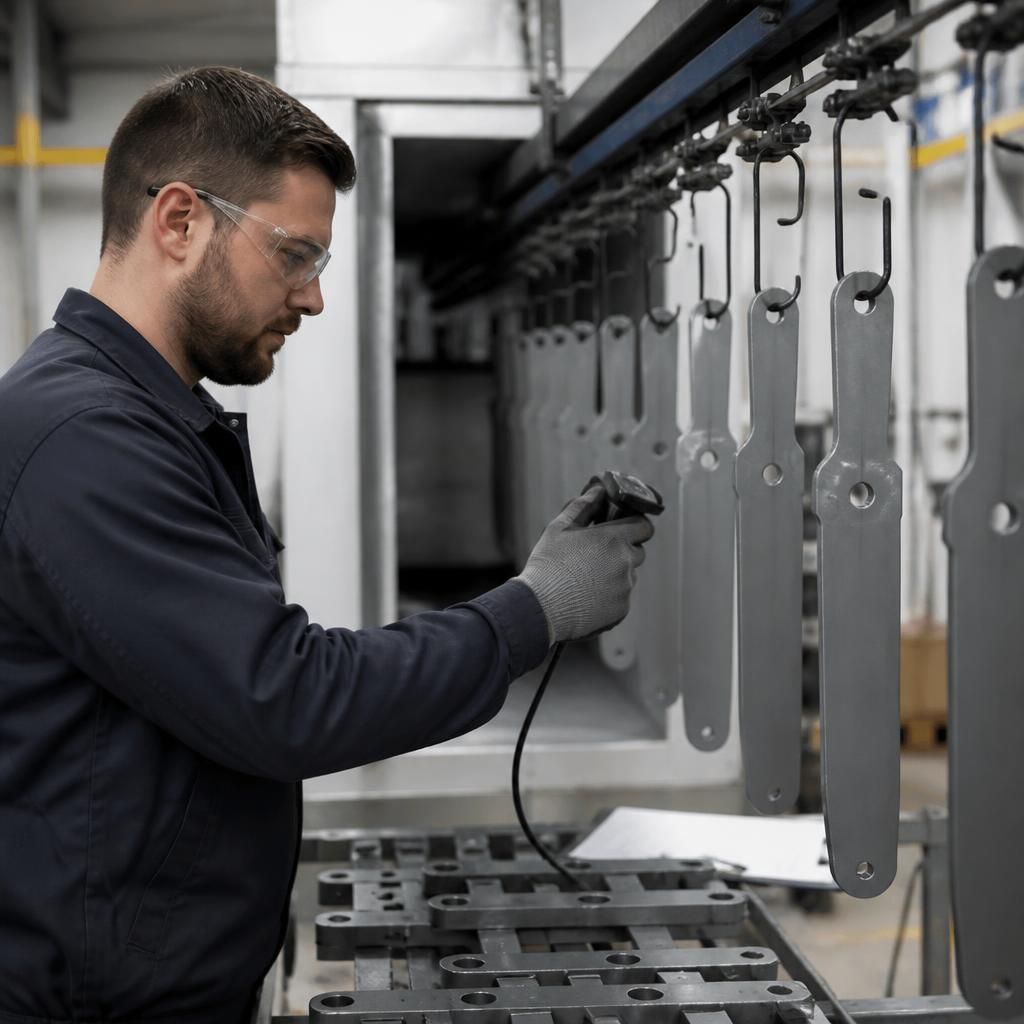
First-off approval can affect the project schedule. For a new component, powder type or high-temperature service requirement, the specification may be checked on a sample or first-off part before the full batch is processed. This allows the coating thickness, appearance, adhesion and suitability of the finished system to be reviewed before committing the remaining components. Although this additional approval stage can extend the calendar time, it can help prevent a larger batch from requiring rework because of an unsuitable finish or process setting.