

How long does the powder coating process take for automotive components?
There is no single fixed timescale for powder coating automotive components: the total process depends on the parts’ condition, preparation requirements, coating specification, batch size and curing schedule. Straightforward, clean components can move through preparation, application and curing more quickly than parts requiring extensive stripping, repairs, masking or specialist protective coatings.
The time required to powder coat automotive components is made up of several separate stages rather than one coating operation. The overall lead time includes inspection, preparation, masking, powder application, oven curing, cooling, quality checks and packing. A clean, uncomplicated batch may follow a relatively direct route, while components needing paint removal, corrosion treatment, repairs or multi-stage coating require additional processing.
Preparation often determines the timescale. Before coating, parts must be inspected for damage, contamination, rust, existing paint and any areas that must remain uncoated. Oil, grease, dirt and previous finishes need to be removed so the powder can bond correctly. Depending on the component, preparation may include degreasing, abrasive blasting, chemical pretreatment or the removal of an old coating. Heavily corroded parts or components with weld spatter, sharp edges and surface damage may need further remedial work before they are ready for the coating line.
Masking and plugging are also part of the preparation stage. Threads, bearing seats, machined faces, electrical contact points and other close-tolerance areas may need protection. The time required depends on how many areas must be masked and whether the component has a straightforward shape or includes recesses, apertures and intricate features. Correct masking is important because powder coating adds a measurable layer to the surface and can affect fit where tolerances are tight.
Application and curing are normally completed as controlled production stages. Once prepared, the component is earthed and powder is applied using electrostatic equipment. The coated part then enters a curing oven, where heat causes the powder to flow and form a continuous finish. The required curing schedule depends on the powder specification, the component’s material and thickness, and the way heat reaches the part. Large or dense metal components can take longer to reach the required temperature than small, lightweight parts.
Cooling is needed before final handling, inspection and packing. The finish is checked for coverage, contamination, visible defects and any areas affected by masking. Dimensions and protected features may also be checked where the component has functional interfaces. If a defect is found, correction can involve local preparation and recoating or, in some cases, repeating more of the process. This is why the time quoted for a job should allow for inspection and finishing work rather than only the period spent spraying powder.
Batch size can affect both processing efficiency and the total elapsed time. Several similar automotive components can often be prepared and coated together, reducing repeated set-up and masking work. A mixed batch containing different shapes, colours or coating specifications may require separate handling and cleaning between runs. Small quantities can therefore have a different production route from larger repeat batches, even when the individual parts are similar.
Specialist requirements may add further stages. A protective coating system, a nylon coating or a specification requiring more than one coat can involve additional preparation, application or curing steps. Components supplied in an unsuitable condition may also need more extensive stripping or surface treatment before the specified finish can be applied. These requirements should be identified when the job is discussed, as they affect the realistic completion timescale.
Transport forms part of the practical lead time when parts are collected from or delivered to a business. Packaging, loading and checking the consignment can be particularly relevant for bulky automotive components or parts with a finished surface that must be protected from impact and contamination. Collection and delivery arrangements should therefore be considered alongside the coating stages when planning production or assembly work.
To obtain a useful timescale, provide the coating service with the component drawings or photographs, the metal type, dimensions, quantity, current surface condition, required colour or finish, areas that must remain free of coating and any relevant tolerance or performance requirements. It is also helpful to state whether the parts are new, previously painted, corroded, welded or contaminated. This information allows the preparation route, batch method and curing requirements to be assessed before a lead time is given.
In practice, the most meaningful timescale is the complete route from receipt of suitable parts to inspected, packed components ready for collection or delivery. Asking only how long the powder application takes can understate the work involved, particularly where automotive parts need substantial preparation, careful masking or a specialist coating system.
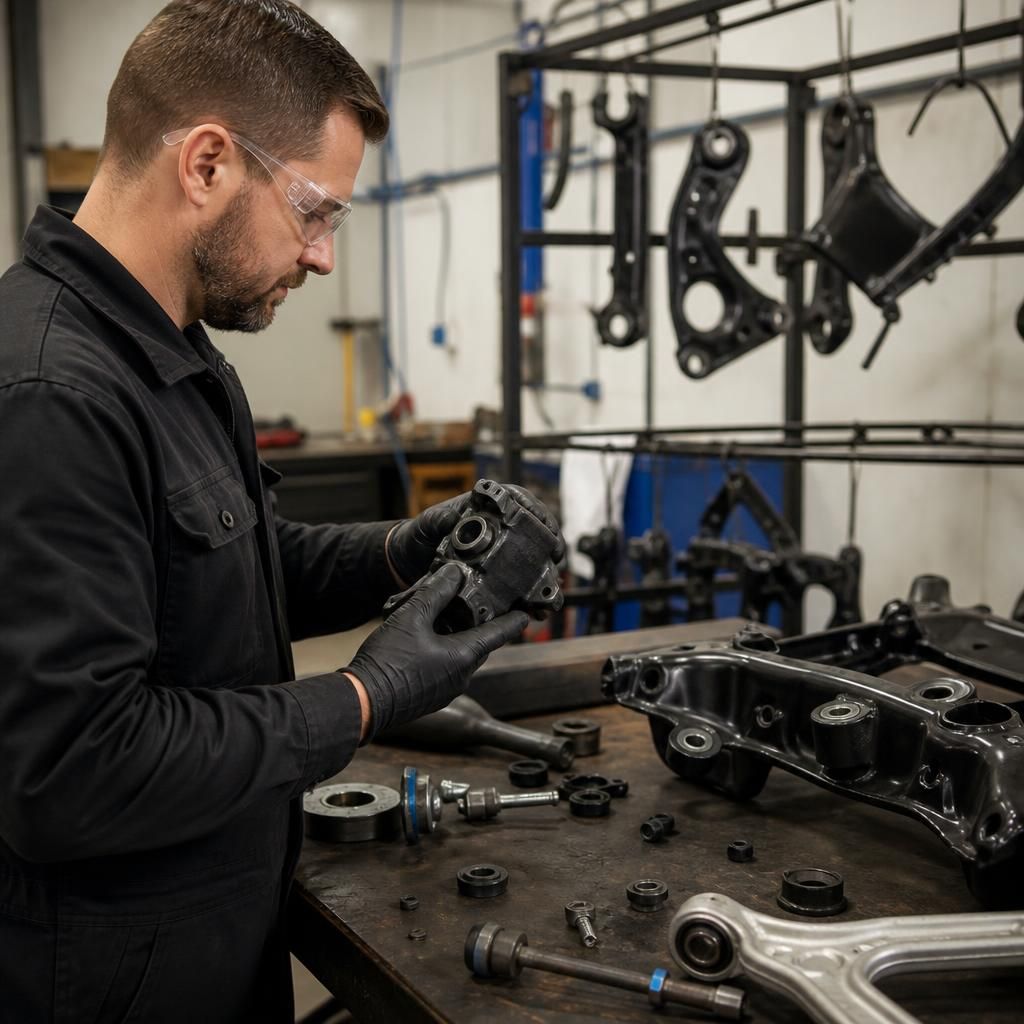
For automotive components, preparation time can increase if the part is not supplied ready for coating. Bearings, rubber bushes, seals, plastic clips, wiring, fluids and other heat-sensitive items may need to be removed before the metal component enters the curing oven. Trapped grease or contamination can also interfere with surface preparation and finish quality.
Parts that arrive already stripped and separated from non-metallic or close-tolerance items can follow a more straightforward coating route. Where components require disassembly, specialist assessment or clarification over which areas must remain untouched, those requirements should be identified before the timescale is agreed. This helps distinguish the time needed for coating from work required to make the component suitable for processing.