

How long does the powder coating process take for steel and aluminium products?
Powder coating steel and aluminium products typically involves preparation, coating application and oven curing, so the process duration depends on the component size, batch quantity, substrate condition and finish required. The time can be confirmed once the parts and coating specification have been assessed.
There is no single standard duration for powder coating steel and aluminium products. The overall job cycle includes handling, surface preparation, masking, coating, curing, inspection and packing; oven time is only one part of the process. A realistic schedule can be established after the components, quantities, condition and finish specification have been reviewed.
The main stages are:
- Specification and inspection: The parts are assessed for dimensions, material, existing coatings, contamination, corrosion, weld spatter and any areas that must remain uncoated. This identifies preparation requirements and confirms whether the components can be safely supported and processed.
- Preparation: Oil, grease, dirt, rust, mill scale and previous finishes may need to be removed. Steel and aluminium require suitable preparation methods for their substrates. Preparation is particularly important where the coating must provide protection in demanding environments, because contaminants or poorly bonded existing finishes can affect adhesion and durability.
- Masking and setting up: Threads, contact faces, bores and other no-coat areas are protected. The parts are then arranged on suitable racking. Large or awkward products may need additional handling arrangements, while small components may be processed as a batch.
- Powder application: The specified powder is applied electrostatically to the prepared metal surface. The required finish, colour, texture and film build influence the application process. Components requiring more than one colour, specialist masking or a particular appearance need additional preparation between coating stages.
- Curing: The coated products pass through an oven so the powder can flow and cure in accordance with the coating specification. The required cure is determined by the metal temperature and the powder manufacturer’s technical requirements, rather than simply by the time the parts spend in the oven. Thick sections and different component loads can affect how the process is managed.
- Cooling, inspection and packing: Once the finish has stabilised, the parts are checked for coverage, defects, contamination, colour consistency and any specified masking requirements. They are then handled and packed in a way that reduces the risk of marking before collection or delivery.
Component size and design can affect the schedule. The largest dimensions must be compatible with the coating and oven equipment, and items may need to be positioned individually to achieve full access and even coverage. Deep recesses, enclosed sections, complex weldments and parts with multiple contact points can require more preparation and careful racking than straightforward profiles.
The condition of the metal is also significant. Heavy corrosion, oil, weld residue, silicone contamination or an unsuitable existing coating may require extra preparation. Repairs or rework may be necessary if inspection identifies inadequate preparation, damage or a finish that does not meet the agreed specification. These requirements cannot be assessed accurately from the product name alone.
Batch quantity affects how the work is organised. A consistent batch with the same substrate, colour and finish can usually be processed using one planned setup. Mixed components, multiple colours or different coating requirements involve additional segregation, cleaning, masking or setup between parts. The total quantity and the way items are presented for processing therefore need to be considered alongside the individual part size.
For projects involving steel and aluminium together, the materials may need separate preparation and process controls. Aluminium components can also require careful handling to avoid surface damage, while steel components may need attention to corrosion or mill scale before coating. Confirming the substrate, dimensions, drawing requirements, finish and no-coat areas at the outset helps produce a more reliable schedule.
After processing, collection and delivery arrangements form part of the overall job planning. Powder-coatings.co.uk serves businesses across the Midlands and surrounding areas with collection and delivery options, subject to the agreed project arrangements. The most useful information for confirming a timescale is the component list, dimensions, batch quantities, substrate condition, required colour or finish, masking details and any inspection or packing requirements.
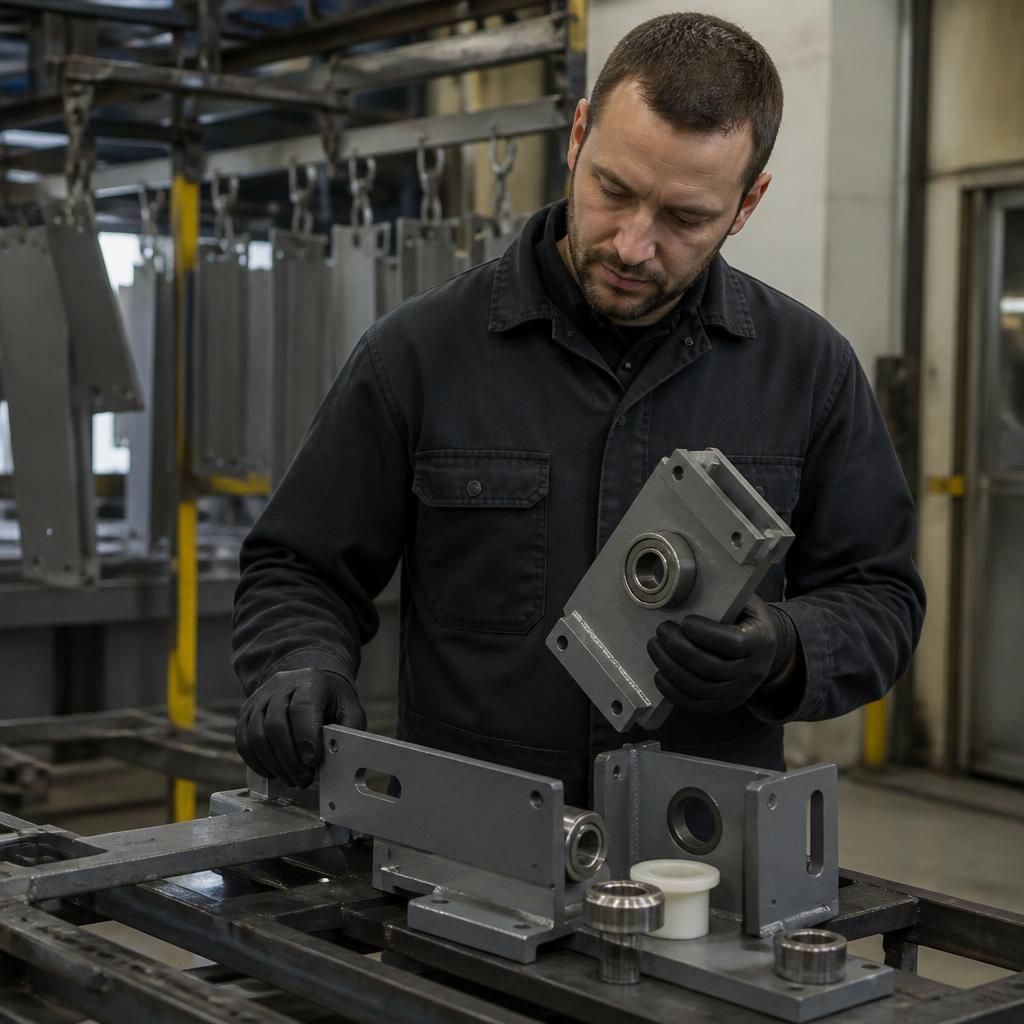
One scheduling check is whether the product arrives with attached items that should not enter the curing oven. Seals, plastics, bearings, electrical parts or other heat-sensitive components may need to be removed before coating and refitted afterwards. If they cannot be removed, the coating route may need to be reviewed before a duration is agreed. Identifying attached components and supplying relevant drawings helps distinguish the coating process from any additional dismantling and reassembly work.
Request a powder coating timescale for your steel or aluminium products
Provide your steel or aluminium component details, quantities and finish requirements for a project-specific powder coating timescale. Drawings or photographs can also help clarify the products and any processing considerations before arrangements are agreed.