

How do epoxy primer coats improve the performance of powder-coated aluminium?
An epoxy primer coat creates an intermediate layer between aluminium and the powder coating, improving the bond between the substrate and the finished coating. It also adds a barrier against moisture and contaminants, helping reduce corrosion risk and support a more durable, longer-lasting finish in demanding industrial applications.
On powder-coated aluminium, an epoxy primer improves the overall coating system by giving the topcoat a more stable foundation and helping it cope with the practical weaknesses of the substrate. Its value is greatest where components face abrasion, impact, chemical exposure, sharp edges or difficult service conditions, rather than simply needing a decorative finish.
Aluminium is relatively light and naturally forms an oxide layer. That surface can be beneficial, but it also means that coating performance depends heavily on controlling the condition and cleanliness of the substrate before priming. A correctly selected epoxy layer helps create a consistent surface for the powder coat, reducing the effect of minor variations in the prepared aluminium and supporting more uniform coverage across the component.
The primer can also improve the way the finished coating system deals with mechanical stress. Aluminium components may flex, vibrate or experience repeated handling, while differences in thermal expansion between the metal and coating can place stress on the film as temperatures change. An appropriately cured epoxy primer helps distribute those stresses through the coating build, reducing the likelihood that a small defect will quickly develop into lifting, flaking or under-film deterioration.
Edge protection is another important consideration. Powder coating can become thinner at corners, cut-outs, drilled holes and other high points. These areas are often the first to suffer damage during assembly or service. A primer specified for the application can add useful film build and continuity at vulnerable details, although the component design, preparation method and spraying process still determine whether those areas are adequately covered.
Epoxy primers can contribute to resistance against oils, fuels, cleaning chemicals and industrial contaminants, depending on the formulation and the powder topcoat used above them. This does not make every coated aluminium part suitable for every chemical environment. The complete system must be assessed against the actual substances, concentration, temperature, contact time and cleaning regime expected in service.
For external aluminium, the choice of topcoat remains particularly important. Epoxy materials generally provide useful barrier and mechanical properties but can lose appearance when exposed directly to prolonged ultraviolet radiation. The powder topcoat therefore needs to provide the required weathering and colour retention, while the primer remains protected beneath it. A primer should not be treated as a substitute for selecting an exterior-grade finishing powder.
Performance depends on the complete coating process, including:
- Suitable cleaning and pretreatment to remove oxides, oils and handling contamination.
- A primer thickness that matches the specification without creating runs, pinholes or trapped solvents.
- Correct curing of the epoxy before the powder coat is applied, while avoiding over-curing that could affect the next layer.
- Compatibility between the primer chemistry and the powder coating, including the specified cure schedule.
- Careful coverage of edges, recesses, joints and fixing points.
- Inspection for defects after curing, with checks appropriate to the component’s service conditions.
Incorrect application can reduce rather than improve performance. Excessive film thickness may cause cracking or solvent-related defects, while insufficient curing can leave the layer soft or interfere with the powder coat. Contamination between stages may also produce pinholes, craters or areas of poor intercoat bonding. For this reason, the primer should be selected as part of a tested coating system rather than as an isolated product.
For manufacturers and fabricators, the practical benefit is a more deliberately engineered finish: the aluminium substrate, epoxy primer and powder topcoat are treated as one system, with each layer assigned a specific function. Powder-coating specialists can assess the component design, intended environment and required finish before confirming whether an epoxy-primed system is appropriate for the application.
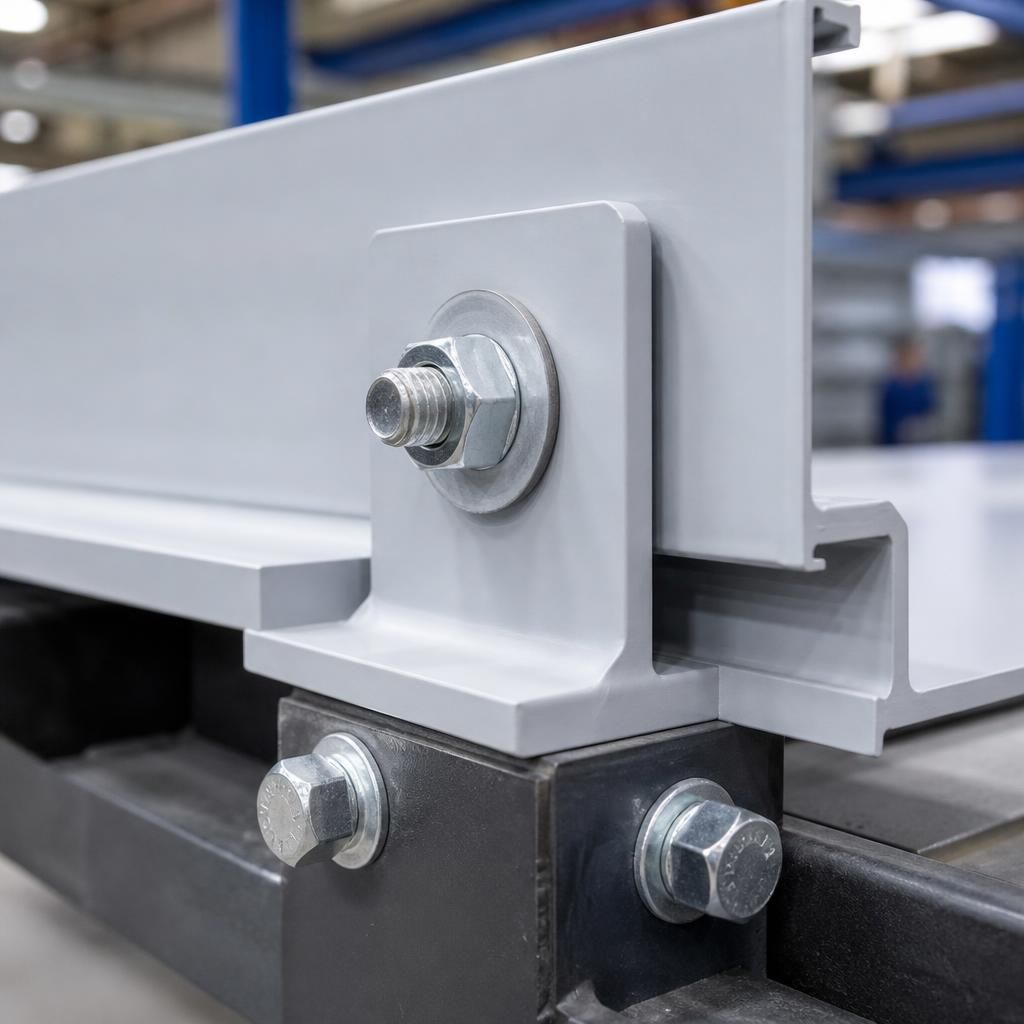
On powder-coated aluminium assemblies, an epoxy primer can help reduce galvanic corrosion by electrically separating the aluminium from dissimilar metals such as steel or stainless-steel fixings. This is important where different metals are joined in the presence of moisture, because an electrochemical reaction can accelerate corrosion at the aluminium interface.
The primer is most effective when it forms a continuous, well-adhered layer across the relevant contact areas before the powder topcoat is applied. Design details still matter: drilled holes, fastener joints, cut edges and trapped moisture can create routes around the coating. Suitable washers, sealants or isolation materials may therefore be needed alongside the coating system, particularly for external or frequently wet applications. Assessing the aluminium component and its fixings as one assembly helps determine whether an epoxy-primed powder coating provides the required level of protection.
Discuss your epoxy-primed aluminium coating requirements
If you are assessing whether an epoxy primer is suitable beneath powder coating for an aluminium component, discuss the substrate, service environment and required finish with our coating specialists. They can help determine whether an epoxy-primed system matches the component’s technical requirements.