

What are the primary benefits of using powder coated aluminium sheets and coils?
Powder coated aluminium sheets and coils provide a durable, corrosion-resistant finish while retaining aluminium’s low weight and formability. They also offer consistent colour and surface appearance, making them suitable for components where long-term protection and a defined visual finish are both required.
The primary benefits of powder coated aluminium sheets and coils are their combination of low-maintenance performance, efficient manufacture and design flexibility. The coating is applied as a dry powder and cured to form a bonded finish, allowing aluminium to be supplied as a ready-finished material for fabricated panels, enclosures, roofing components, trims and other metalwork.
- Reduced on-site finishing: Pre-coated sheet and coil can reduce the need for painting, curing and associated preparation after fabrication. This can simplify production planning and limit the disruption, equipment and material handling associated with applying a separate finish on site.
- Efficient use in larger production runs: Coil coating is well suited to continuous processing and repeated components, while sheet coating is practical for cut blanks, panels and individual parts. Selecting the appropriate format can help align the coating process with the volume, dimensions and fabrication method of a project.
- Design flexibility: Powder coating is available in a broad range of colours, gloss levels and surface effects. This gives architects, designers and manufacturers more control over the appearance of visible aluminium components, while allowing different product areas to be identified or coordinated with surrounding materials.
- Resistance to everyday wear: Once properly applied and cured, the coating forms a hard surface that can withstand the routine handling, installation and use experienced by many fabricated components. This can help reduce marking and preserve the intended finish, although the correct coating specification remains important where abrasion or impact is severe.
- Simple cleaning requirements: Powder coated aluminium generally needs straightforward cleaning with suitable water-based methods and a soft cloth or brush. Avoiding aggressive chemicals, abrasive tools and unsuitable pressure-washing practices helps protect the coating during its service life.
- Useful dimensional and fabrication properties: Aluminium remains easier to handle than many heavier metals and can be cut, folded, pressed or formed when the product and coating system are selected for that purpose. This supports applications where reduced component weight, shaped sections or easier installation are important.
- Reduced solvent use: Powder is applied without the liquid solvents associated with many conventional wet-paint systems. Overspray may also be collected and reused in suitable controlled processes, which can improve material utilisation and reduce coating waste, subject to the equipment and specification being used.
- Recyclability of the base material: Aluminium can be recycled repeatedly through established metal-recovery routes. Keeping the sheet or coil identifiable and separating it appropriately at the end of its working life supports more effective recycling, although the coating and any attached materials must be considered by the recycling process.
- Repeatable production quality: Controlled powder application and curing allow manufacturers and coaters to monitor key factors such as pretreatment, film build, oven conditions and colour reference. This is particularly valuable when multiple batches or replacement components must match an agreed specification.
These benefits depend on specifying the powder type, pretreatment, film thickness and curing conditions for the intended environment. Outdoor exposure, industrial contamination, frequent cleaning, forming after coating and contact with other metals can all affect the most suitable system. Aluminium sheets and coils should therefore be assessed alongside the manufacturing process and final use rather than selected on appearance alone.
For B2B projects, the practical value lies in matching the material format and coating specification to the component’s duty. Manufacturers and fabricators may prioritise repeatability and handling efficiency, while construction and automotive applications may place greater emphasis on finish selection, cleaning requirements or resistance to particular service conditions. A specialist powder coater can help establish those requirements before production or arrange collection and delivery of finished metalwork across the Midlands and surrounding areas.
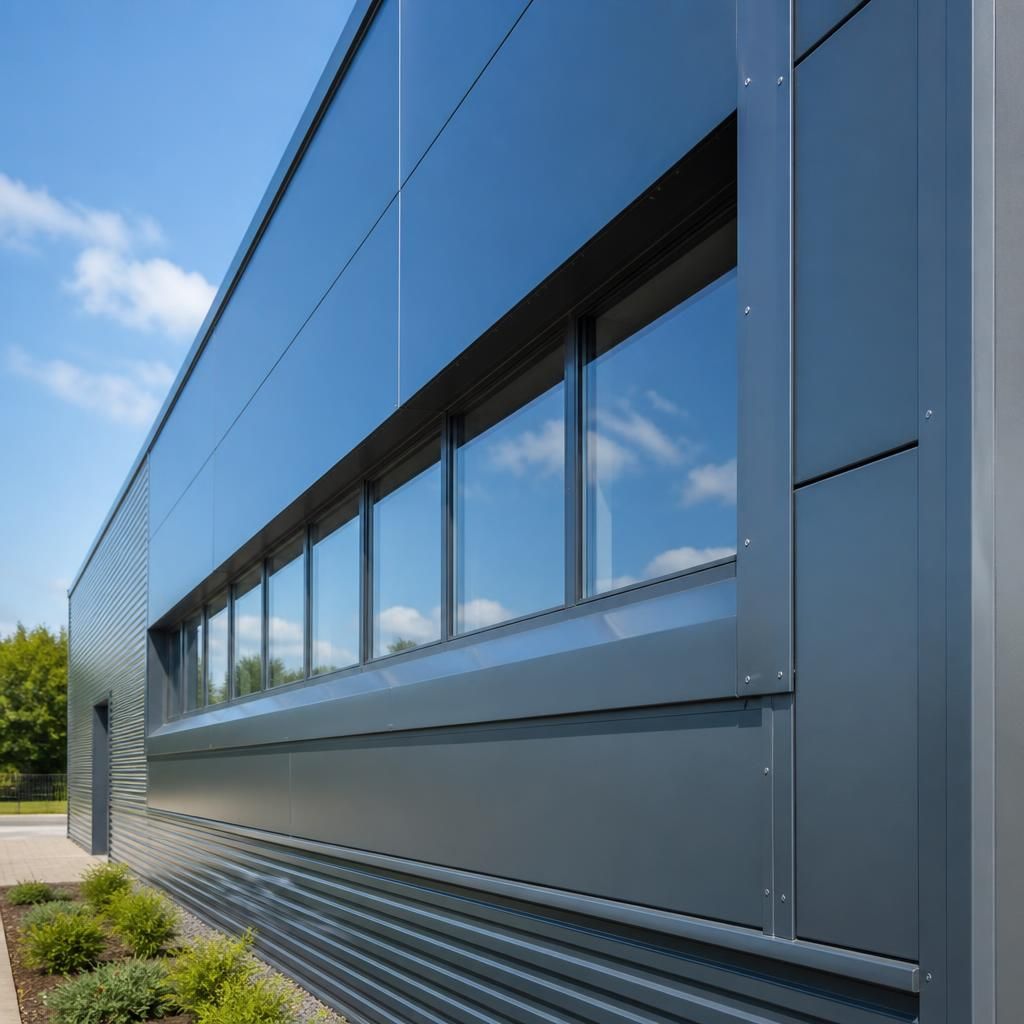
For exterior applications, a properly specified powder coating can help aluminium sheets and coils retain their intended colour and surface appearance during exposure to sunlight and weather. This is particularly useful where visible cladding, roofing details, trims or panels must continue to match surrounding materials throughout their service life.
The result depends on choosing a coating system suitable for the exposure conditions, together with appropriate pretreatment, film thickness and curing. Coastal locations, strong sunlight, industrial pollutants and frequent cleaning may require closer specification than a sheltered indoor application.