

What is the typical lead time for completing an order of powder coated aluminium products?
There is no fixed typical lead time for powder coated aluminium products, as completion depends on the batch size, required preparation, coating specification, colour and any collection or delivery arrangements. The confirmed lead time is established when the order details and production requirements have been reviewed.
The completion date is normally confirmed once the aluminium parts, coating specification and production requirements have been reviewed. Powder coating is a staged process, so the expected lead time covers preparation, coating, curing, inspection and any agreed packing or transport arrangements rather than the spraying operation alone.
Once an order is technically agreed, the work commonly progresses through the following stages:
- Order review: the coater checks quantities, dimensions, profile design, coating requirements, colour, texture, masking points and any areas that must remain uncoated.
- Material receipt and inspection: the aluminium is checked for damage, contamination, unsuitable previous finishes and other issues that could affect adhesion or appearance.
- Preparation: parts are cleaned and pre-treated as required. Additional preparation may be needed where the surface contains oil, oxidation, sealant or handling marks.
- Coating and curing: the powder is applied and cured under controlled conditions. Part size, thickness, shape and the specified finish can affect how items are loaded and processed.
- Quality checks: finished components are examined for coverage, colour consistency, surface defects and compliance with the agreed requirements before they are released.
Batch size is an important scheduling factor. A small, straightforward batch may be handled differently from a large production run, particularly where components need careful racking, separate masking or more than one coating specification. The dimensions and weight of the products also matter because they determine how parts can be supported and positioned during processing.
The chosen finish can affect planning as well. A standard specification with uncomplicated coverage is generally easier to schedule than a job involving several colours, contrasting finishes, precise masking or a specialist coating system. If a colour or finish needs to be sourced or scheduled separately, this may add a procurement or production stage.
Aluminium parts should be supplied in a condition suitable for coating. Heavy contamination, welded areas requiring additional cleaning, sharp edges, unsuitable packaging or incomplete instructions can lead to clarification, extra preparation or rework. These issues are not necessarily visible when an order is first discussed, which is why an initial estimate may be revised after the parts and drawings have been assessed.
To obtain a more reliable completion date, provide the following information at the quotation or order stage:
- the total quantity and a breakdown of individual component types;
- accurate dimensions, weights and drawings where relevant;
- the required colour, gloss level, texture and coating specification;
- areas requiring masking, plugs, hooks or other protection;
- any appearance, thickness, adhesion or inspection requirements;
- the date by which the aluminium will be ready for processing; and
- packing, collection or delivery instructions.
It is also useful to distinguish between an indicative estimate and a confirmed production date. An estimate is based on the information available at enquiry stage. A confirmed date should follow agreement of the specification, acceptance of the parts for processing and confirmation of the required batch and finish. Changes made after that point—such as revised quantities, a different colour or additional masking—can require the programme to be reassessed.
For production planning, allow sufficient time between coating completion and the next manufacturing stage. The parts may need to be inspected, packed and checked against the delivery instructions before they can be fitted or assembled. Sharing the required in-use date does not replace the technical review, but it helps the coater assess the order against the wider project sequence.
For a precise schedule, the relevant details are the aluminium component drawings, quantities, coating specification and required logistics. These allow the powder coating provider to identify preparation needs, plan the batch and give a completion date based on the actual work rather than a generic industry allowance.
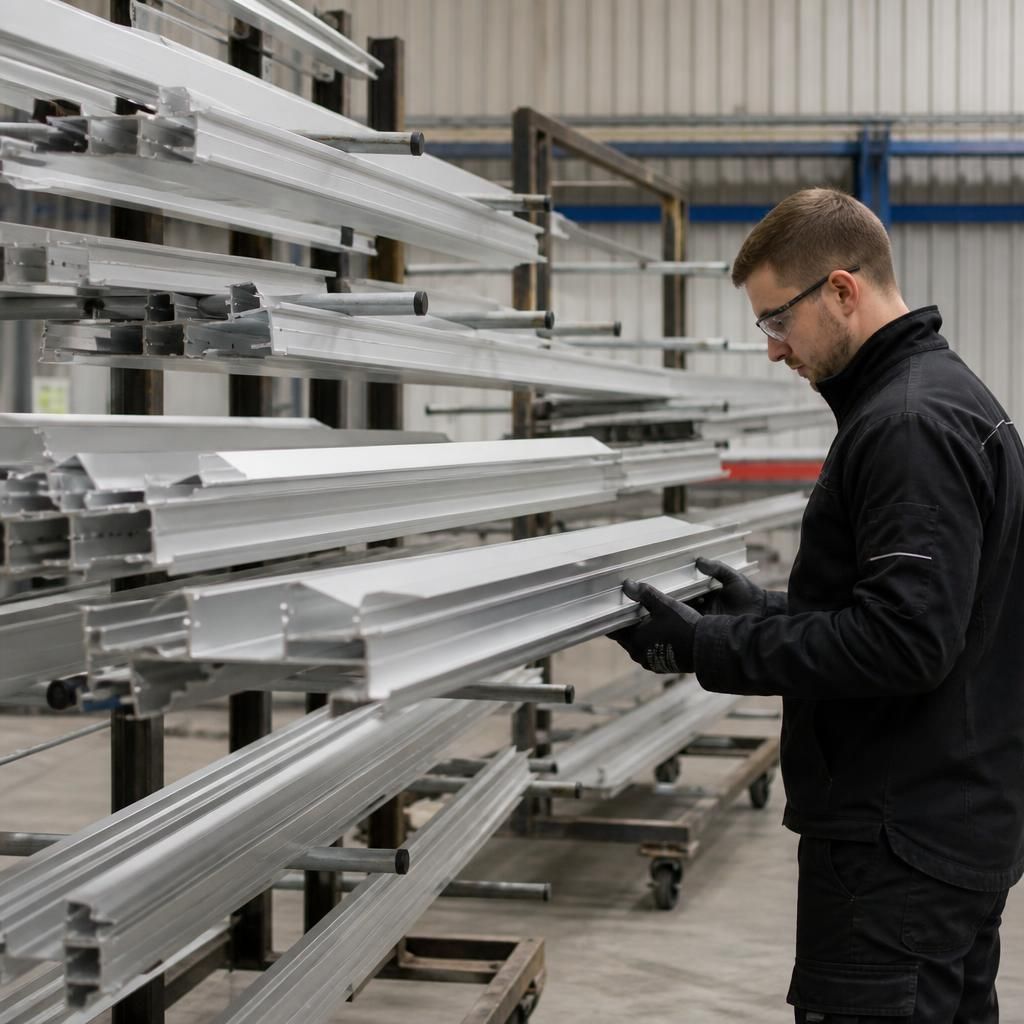
For powder coated aluminium products, the coating stage should normally be scheduled after fabrication, drilling, welding, deburring and design approval are complete. These operations can expose or damage the finished surface, so carrying them out after coating may require repair or recoating and can alter the planned completion date.
Where aluminium components form part of a larger assembly, coordinate the coating programme with the point at which all post-fabrication work is finished. This gives the coater a stable set of parts to process and helps prevent changes to dimensions, fixing points or component quantities from affecting the agreed schedule.