

What are the key advantages of using two-coat and thermoset coating systems for industrial applications?
Two-coat and thermoset coating systems combine a preparatory layer with a cured topcoat to provide stronger adhesion, improved corrosion protection and a more durable finish than many single-layer systems. They can also increase resistance to chemicals, abrasion and weathering while delivering a consistent appearance for demanding industrial metal components.
The key advantage of a two-coat and thermoset coating system is that it separates the performance requirements of the coating into distinct layers. The base coat can be selected to suit the metal substrate and operating environment, while the thermoset topcoat forms a permanently cross-linked surface film during curing. This allows the complete coating specification to be tailored more precisely than a single, general-purpose layer.
More precise functional design: A single coating often has to provide several properties at once. In a two-coat system, each layer can perform a different role. The first coat may be specified for substrate compatibility, sealing or additional protection, while the topcoat can be selected for the conditions encountered during service. This is useful where components face a combination of mechanical contact, cleaning chemicals, moisture, heat or outdoor exposure.
Improved control of film build: Applying the coating in stages makes it easier to specify and inspect the total film thickness. The two layers can be assessed separately, helping the applicator identify areas that require adjustment before the component enters service. This can be particularly valuable for complex fabrications, formed parts and production batches where consistent coverage is important.
A stable, cross-linked surface: Thermoset powders cure through a chemical reaction that creates a cross-linked polymer structure. Once fully cured, the coating does not simply soften and flow again when exposed to ordinary service conditions. The resulting surface can provide useful dimensional stability and resistance to deformation, provided the powder chemistry, cure schedule and application thickness are appropriate for the intended environment.
Better suitability for demanding operating conditions: Different thermoset formulations can be chosen for particular service requirements. Depending on the specification, a system may be designed to withstand repeated handling, contact with oils or cleaning agents, outdoor exposure, or contact with other components. The advantage is not that every thermoset system provides the same resistance, but that the coating structure gives the specification more options to address the actual risks faced by the part.
Greater tolerance in system specification: The two-coat approach can help when the substrate, component geometry or end use makes a single coating difficult to specify. For example, a primer or intermediate layer may be selected to accommodate the characteristics of the metal, followed by a topcoat chosen for the required service properties. This can reduce the need to compromise one performance requirement in order to achieve another.
Consistent production results: Industrial powder coating is a controlled process involving preparation, application and curing. A defined two-coat specification gives the coater clear checkpoints for checking substrate condition, layer coverage, curing and final finish. When the same requirements are applied across a batch, this supports repeatability between components and makes quality issues easier to investigate.
Support for component lifecycle planning: A coating system should be selected according to the component’s exposure, handling arrangements and expected maintenance environment. A properly specified two-coat thermoset system can form part of a broader lifecycle strategy by reducing the likelihood that the substrate will be exposed prematurely and by providing a surface that can be inspected and maintained as part of routine asset care. It should not, however, be treated as a substitute for suitable design, drainage, joint detailing or regular inspection.
Useful for varied industrial components: These systems can be considered for fabricated metalwork, machinery parts, structural components, vehicle-related items and other products where the coating must meet defined technical requirements rather than provide only a basic finish. The correct choice depends on the substrate, component dimensions, geometry, operating temperature, chemical exposure and required appearance.
There are also practical limitations. A two-coat system involves additional application and curing stages, so the parts must be suitable for handling between coats and the complete process must be controlled carefully. Inadequate preparation, incorrect curing or incompatibility between the layers can undermine the specification. For this reason, the advantage comes from selecting compatible materials and applying them under controlled conditions, not simply from adding a second coat.
For an industrial coating specification, the main questions are therefore what each layer is required to do, which thermoset chemistry suits the service environment, what film thickness is needed, and how the finished coating will be inspected. This performance-led approach helps ensure that the coating system is matched to the component rather than chosen solely on the basis of colour or initial appearance.
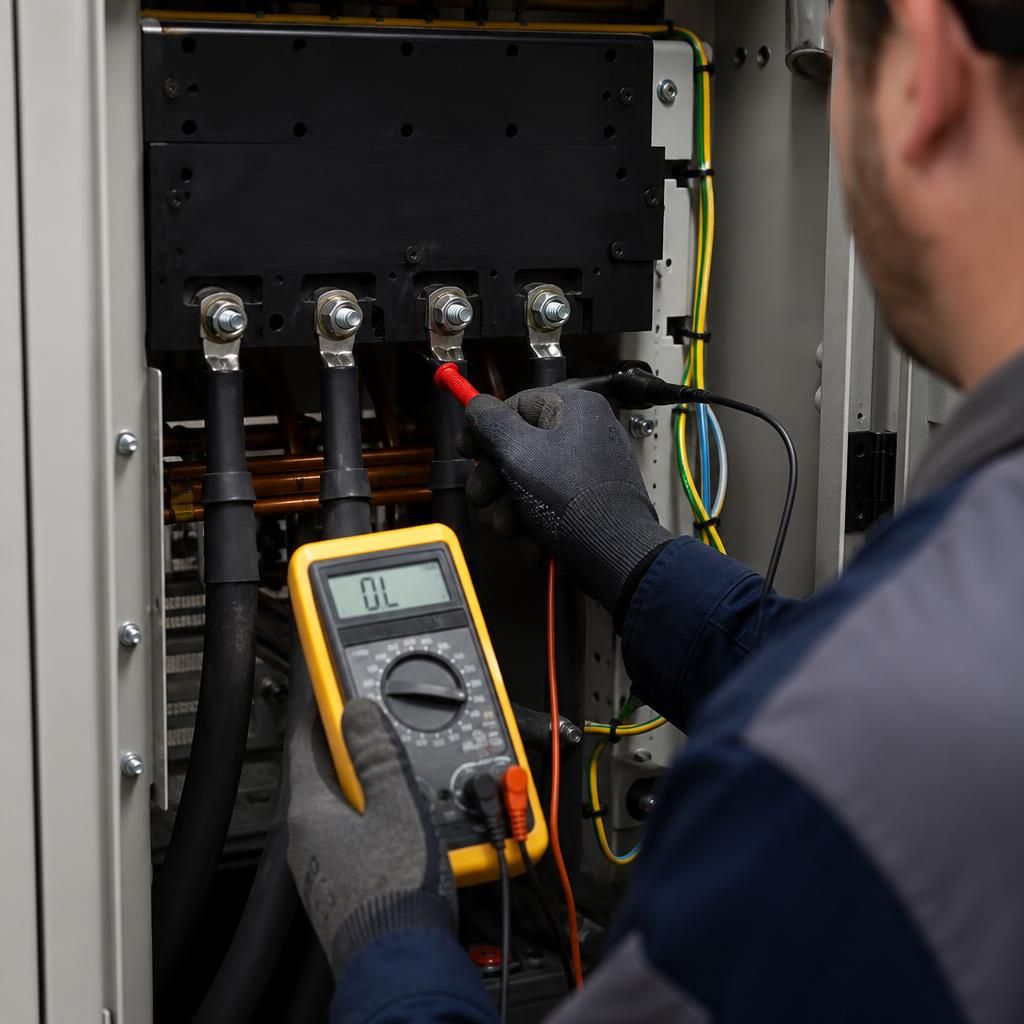
A further advantage of a correctly specified two-coat thermoset system is its potential to provide electrical insulation as well as physical protection. Certain thermoset formulations can create a dielectric barrier on metal components, helping to reduce the risk of unintended contact between conductive surfaces in suitable industrial equipment.
This benefit depends on the coating chemistry, cured film thickness, edge coverage and operating voltage. The complete system should therefore be assessed for pinholes, damage, sharp edges and continuity before the component is put into service. Where electrical performance is important, coating selection and testing must be based on the relevant design requirements rather than assumed from the finish alone.
Discuss your two-coat and thermoset coating requirements
Discuss your two-coat and thermoset coating requirements with our team, including the substrate, component dimensions, operating environment and required finish. This information will help establish a suitable coating specification for your industrial components.