

What is the maximum temperature resistance of stainless steel high temp powder coatings?
There is no single maximum temperature for stainless steel high temp powder coatings: resistance depends on the resin formulation, pigment system and exposure conditions. The coating’s technical data sheet should state its continuous and intermittent operating limits, which must be matched to the component’s actual temperature and thermal cycling.
The usable maximum temperature is the lowest limit imposed by the coating system, the stainless steel component and the operating conditions. A high-temperature powder coating may tolerate elevated service temperatures, but its performance must be judged against the manufacturer’s rated service conditions rather than the heat resistance of stainless steel itself.
Continuous and peak exposure are not equivalent. Continuous exposure places sustained stress on the binder and pigments, while a short peak may be acceptable if the coating is allowed to return to a lower temperature afterwards. Repeated peaks can nevertheless cause cumulative deterioration, particularly where the component heats and cools frequently. The relevant technical information should therefore cover:
- the permitted continuous operating temperature;
- the permitted short-term or intermittent temperature;
- the duration and frequency of peak exposure;
- the expected number and severity of thermal cycles; and
- any reduction in performance when the coating is applied at a specified film thickness.
Temperature resistance also involves more than whether the coating remains physically present. At excessive temperatures, the finish may lose gloss, change colour, chalk, embrittle or become less resistant to impact and abrasion. In more severe cases, the binder can degrade and the coating may lose adhesion or its ability to protect the underlying metal. A finish that still appears intact may therefore no longer provide the same level of corrosion or chemical protection.
The surrounding environment can reduce the practical temperature limit. Dry heat is generally less demanding than heat combined with moisture, salt, process chemicals, oils or cleaning agents. Direct flame, radiant heat and localised hot spots can also produce a higher coating temperature than the average temperature recorded elsewhere on the component. If the stainless steel forms part of an exhaust, oven, plant enclosure or other heated assembly, the hottest areas should be assessed separately rather than relying on an overall operating average.
The stainless steel substrate remains important during heating and cooling. Differences in thermal expansion between the metal and the cured coating can create stress at the interface, especially around sharp edges, welds, folded sections, holes and areas with variable film build. Poorly prepared weld discolouration, embedded contamination or surface residues may become points of premature adhesion failure when the component is exposed to heat. Correct preparation and a controlled, even application are therefore part of temperature performance, not merely cosmetic considerations.
The curing schedule should not be confused with the service-temperature rating. Cure conditions describe how the powder film develops its final properties during manufacture; they do not automatically define the temperature the finished coating can withstand in use. Likewise, the maximum temperature of the stainless steel does not establish the maximum temperature of the powder coating. Both limits need to be checked independently.
For a reliable assessment, compare the intended application with the coating supplier’s technical data and obtain clarification where the conditions are close to the stated limit. Provide details of the hottest metal temperature, exposure duration, heating and cooling rate, atmosphere, chemical contact, cleaning method and expected thermal cycling. Where failure would affect safety, product quality or plant operation, representative test panels or a trial component should be exposed to the actual duty before full production.
In practical terms, select a formulation whose documented rating leaves suitable margin below the hottest measured operating condition. If the temperature varies across the component, base the decision on the hottest zone and consider whether a different coating technology is required for areas exposed to direct flame, exceptionally high heat or aggressive chemicals.
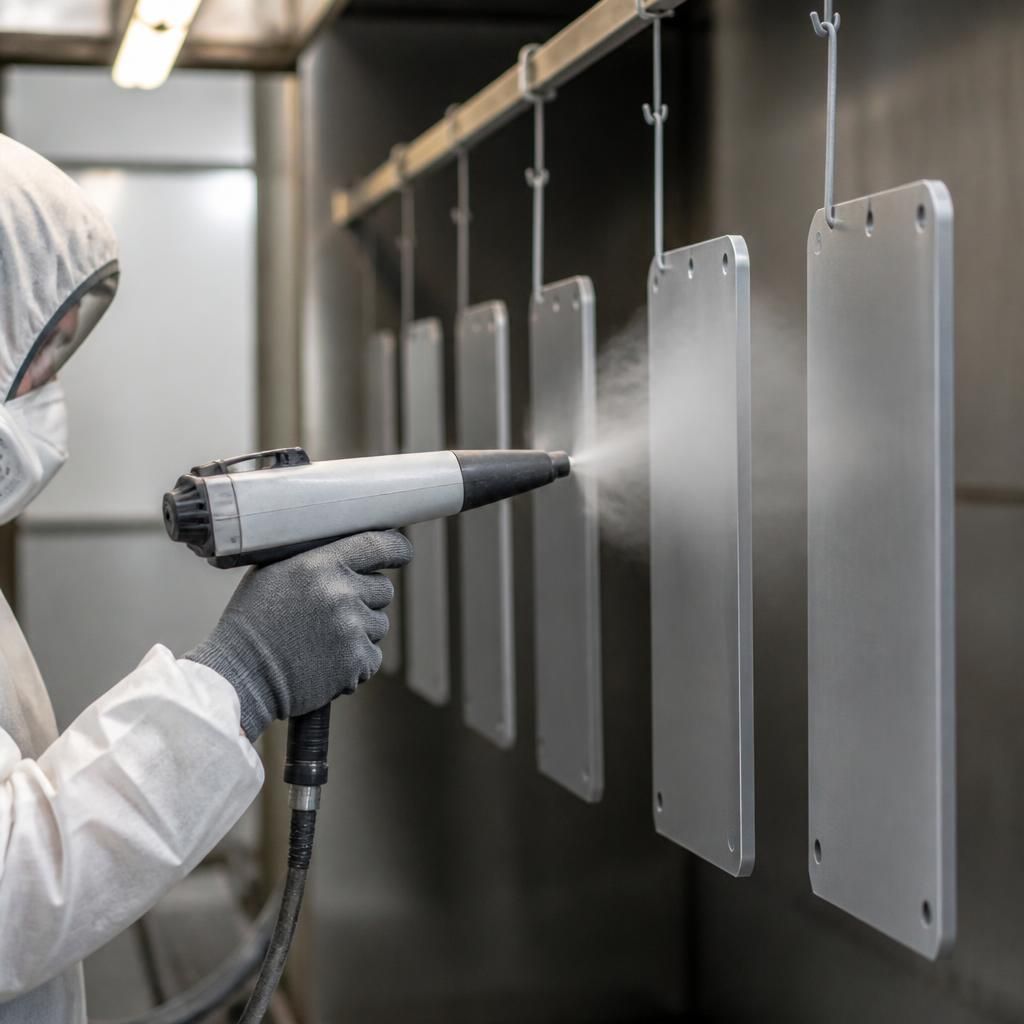
The colour and pigment system can affect high-temperature performance, particularly where the stainless steel is exposed to strong radiant heat. Two coatings with the same stated service limit may respond differently if their pigments have different resistance to colour change, gloss loss or chalking. For applications involving heaters, furnaces or hot process equipment, the selected colour should therefore be checked against the coating manufacturer’s technical information rather than treated as a purely aesthetic choice.
This is especially relevant where appearance, identification markings or surface cleanliness are important after repeated heating. A coating may remain bonded to the stainless steel while its colour or gloss changes, so visual requirements should be included in the specification alongside the maximum operating temperature.
Discuss your stainless steel high temp powder coating requirements
Discuss your stainless steel high temp powder coating requirements with our team, including operating temperatures, thermal cycling and exposure conditions. We can help identify the information needed to assess a suitable industrial coating specification.