

What are the specific applications where nylon powder coatings are most beneficial?
Nylon powder coatings are particularly beneficial for metal components exposed to repeated abrasion, impact, friction, moisture or chemical contact, including rollers, gears, guides, brackets, baskets and handling equipment. They are also used on automotive and industrial parts where a tough, smooth, low-friction finish can help protect the substrate and support reliable service.
Nylon powder coatings are most beneficial on metal components that need a resilient, low-friction and chemically resistant surface rather than a purely decorative finish. They are particularly suitable for parts that rub, slide, receive repeated knocks, require electrical separation, or need a thicker protective layer than a conventional thin-film coating can provide.
Wire products and formed metal goods
Nylon is widely suited to wire-based products such as storage baskets, racks, cages, mesh panels and fabricated frames. The coating can cover bends, joints and exposed wire ends with a continuous polymer layer, helping reduce direct metal-to-metal contact and protecting the underlying steel from routine handling damage. This makes it useful for warehouse equipment, retail fixtures, laundry equipment and other fabricated wire goods where a smooth, cleanable surface is required.
It can also be considered for components that come into regular contact with other parts during loading, stacking or transport. The polymer surface can reduce scratching of adjacent items compared with uncoated metal, although the precise result depends on the coating grade, film thickness and the severity of contact.
Sliding, guiding and contact surfaces
Nylon is valuable where a metal component needs a degree of lubricity or reduced friction. Examples include slides, wear strips, bushings, runners, chutes and contact faces used in material-handling or production equipment. A nylon-coated surface can help prevent direct metal contact and may reduce the tendency for components to gall or mark one another.
This application is most appropriate where loads, speeds and operating temperatures remain within the coating specification. Nylon should not be selected solely because a part moves; abrasive particles, point loading, impact and heat must also be assessed. In some assemblies, a coated metal part is used alongside a compatible polymer or elastomer, while in others a different speciality coating may be more suitable.
Conveyor and materials-handling equipment
Chutes, hopper surfaces, transfer components, guide rails and other equipment used to move products can benefit from nylon where friction, impact and repeated contact are causing wear. The coating provides a non-metallic working surface while retaining the structural strength of the metal component beneath it.
Nylon can be especially useful for fabricated components that would be difficult to replace frequently because they are integrated into a larger machine. The correct preparation of edges, welds and recesses is important, as poorly prepared areas can become weak points regardless of the coating material.
Protective covers, guards and machine furniture
Machine guards, protective panels, tool holders, trolleys and equipment frames may benefit from nylon when they are exposed to repeated handling, impacts or contact with oils and cleaning agents. The thicker, tough polymer layer can provide a degree of cushioning at exposed edges and can help preserve the metal substrate in demanding working environments.
This use is practical where the coating must perform as both a protective barrier and a serviceable surface. It remains important to check chemical compatibility rather than assuming that all nylon grades resist every fluid. Concentration, temperature, exposure time and cleaning method can all affect performance.
Electrical and insulating applications
Nylon powder coatings can be considered for metal parts where electrical isolation from adjacent components is required. Suitable applications may include coated supports, brackets, enclosures, trays and fixtures used around electrical equipment. The coating separates the metal surface from the surrounding assembly and can also protect against handling damage and environmental contamination.
However, a coated component should not automatically be treated as a safety-critical insulator. Coating continuity, thickness, edge coverage, operating voltage, temperature and the possibility of chips or wear must be evaluated. Where electrical performance is essential, the coating specification should be confirmed against the relevant design and testing requirements.
Wet, humid and chemically exposed equipment
Nylon can be advantageous on metalwork used in washdown areas, plant rooms, agricultural equipment and other environments where moisture or selected chemicals are present. Its polymer barrier helps separate the substrate from the surrounding environment, while its toughness makes it less vulnerable to ordinary handling damage than a brittle finish.
It is not a universal replacement for a corrosion-control system. Persistent immersion, salt exposure, strong acids, strong alkalis or elevated temperatures may require a different speciality coating or a more extensive protection system. The service environment should therefore be reviewed before specifying nylon, including whether water can collect at joints, edges or damaged areas.
Fixtures and components requiring a thicker coating
Nylon is also useful where the design benefits from a substantial polymer layer, for example on protective fixtures, reusable transport equipment and metal components with a requirement for impact resistance. Application method matters: some nylon systems are applied using fluidised-bed processes, while others may be suitable for electrostatic application. The component’s size, geometry, heat tolerance and required film build influence the appropriate process.
Before choosing the coating, the applicator should review the metal substrate, pre-treatment, edge profile, weld quality, masking requirements and areas that must remain uncoated. Nylon’s advantages are realised only when the coating is matched to the load, temperature, chemical exposure and expected cleaning regime. For a B2B coating project, providing drawings, sample parts and operating conditions allows the specification to focus on the actual failure mode rather than selecting nylon as a general-purpose finish.
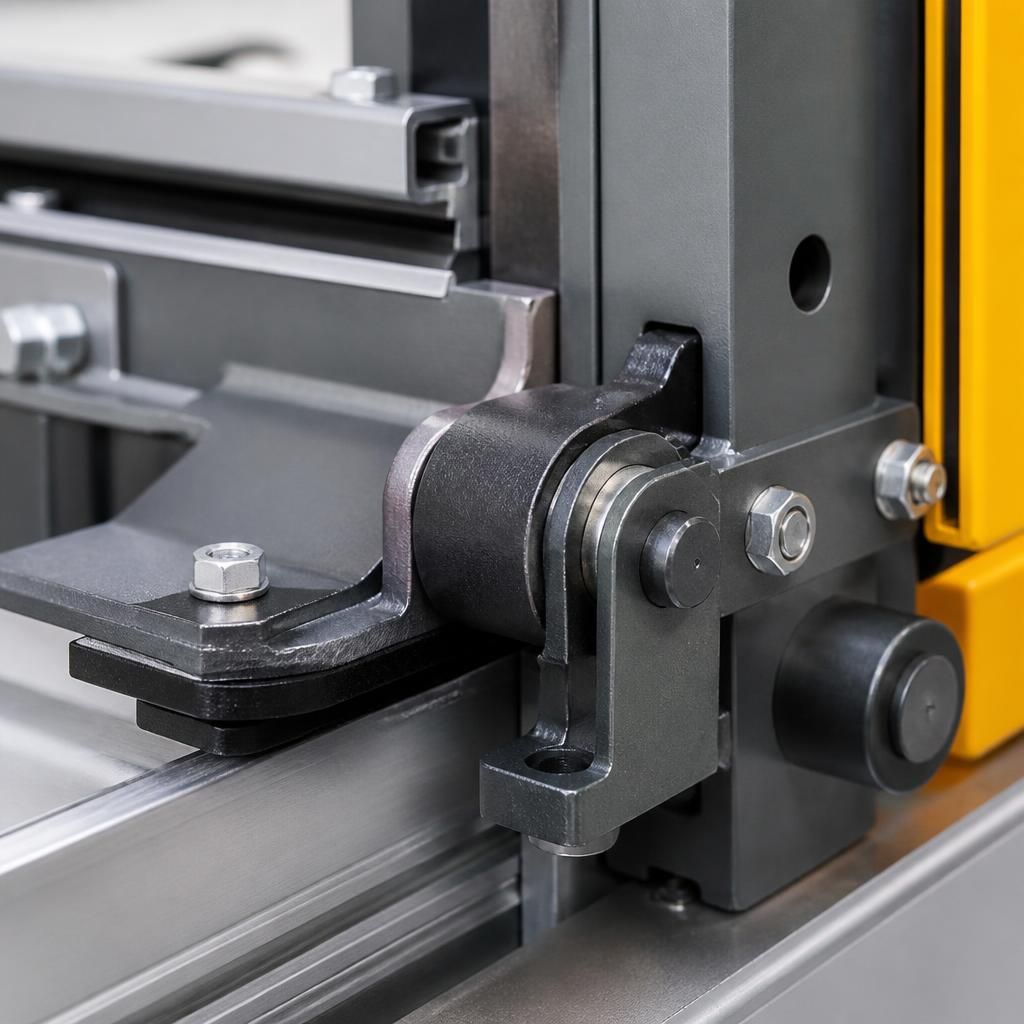
Nylon powder coatings are also beneficial where metal-to-metal contact needs to be controlled for noise, marking or impact protection. Suitable examples include stops, catches, hinge interfaces and other contact points in machinery, vehicle assemblies and fabricated equipment. The nylon layer provides a resilient surface between mating parts, helping limit direct contact while protecting the underlying metal from routine knocks and surface damage.
This application depends on the actual contact pressure, movement, temperature and exposure to oils or cleaning fluids. Components subject to point loading, sharp impacts or high operating temperatures may require a different speciality coating. The coating specification should therefore be based on the contact condition and the required film thickness, rather than on the component name alone.