

What are the safety and environmental considerations when applying clear and black powder coatings?
Applying clear or black powder coatings safely requires controlled handling of airborne powder, suitable PPE, effective extraction and curing equipment operated by trained personnel. Environmentally, powder coating can reduce solvent emissions compared with liquid paint, while responsible collection of overspray, efficient energy use and compliant disposal of waste remain important.
Safe and environmentally responsible application of clear and black powder coatings depends on controlling the coating materials, equipment, preparation chemicals and finished-product waste throughout the process. The main considerations are a documented risk assessment, current safety data sheets, control of ignition and electrical hazards, careful management of pre-treatment waste, and preventing contamination between coating colours.
Material assessment and COSHH controls
Each powder formulation should be assessed using its safety data sheet before it is introduced into the workplace. The assessment should cover storage, transfer, application, curing, cleaning and disposal, rather than focusing only on the spraying stage. UK businesses should consider their duties under the Control of Substances Hazardous to Health Regulations (COSHH), where applicable, and ensure that operating procedures reflect the actual product being used.
Clear and black powders are not automatically identical in their handling requirements. The resin system, additives, pigments and curing chemistry can vary between products, so assumptions based on colour alone are unsafe. Safety data sheets should be checked for information on exposure controls, fire properties, spill response, storage conditions and disposal. Powder should be kept in suitable, clearly identified containers and protected from conditions that could affect its quality or create handling problems.
Fire, explosion and electrical safety
Fine combustible powder can present a fire or dust-explosion risk if it becomes dispersed and encounters an ignition source. A suitable assessment should consider the coating equipment, booth, recovery system, filters, ducts, storage areas and cleaning methods. Where relevant, businesses should also assess duties under the Dangerous Substances and Explosive Atmospheres Regulations (DSEAR).
- Spray equipment, workpieces and associated metalwork should be properly earthed to reduce static discharge.
- Ignition sources should be controlled in and around areas where powder may accumulate.
- Electrical equipment should be suitable for the risks identified in the assessment.
- Powder deposits should not be allowed to build up on ledges, floors, machinery or internal surfaces.
- Cleaning methods should avoid creating a larger airborne cloud or spreading contamination to other areas.
- Interlocks, alarms and other protective devices should be maintained and not bypassed.
Maintenance is a particular safety issue. Before filters, guns, ducting or recovery equipment are opened, the relevant machinery should be isolated and made safe. Only people with suitable instruction and competence should inspect or service the installation.
Preparation chemicals and curing hazards
Environmental and worker-safety considerations also apply before powder is sprayed. Degreasers, conversion coatings, acids, alkaline cleaners and rinse stages may introduce chemical exposure, splash, corrosion and waste-water risks. Their containers should be labelled, stored correctly and managed in line with their safety data sheets. Spills should be contained rather than washed into drains, unless a site procedure specifically permits this.
Curing ovens create separate thermal and fire hazards. Operators need controls for hot surfaces, heated components, access doors, ventilation arrangements and abnormal temperature conditions. The approved cure schedule should be followed for the specific powder and substrate. Excessive temperature or dwell time can affect the finish and waste energy, while insufficient curing may leave the coating unable to perform as intended. Oven maintenance should address residues, burners, electrical components and temperature-control equipment.
Environmental management of powder and process waste
Powder coating generally produces less solvent-related pollution than many liquid-paint processes, but it is not waste-free. Unused powder, contaminated material, filters, masking products, cleaning residues and pre-treatment sludge may all require separate handling. Waste should be identified according to its composition and managed through a suitable, authorised route. Powder and chemical waste should never be mixed simply to reduce the number of containers.
Colour control is important for both resource efficiency and waste prevention. Clear powder can reveal dust, fibres, scratches and preparation marks more readily than an opaque black finish, so clean handling and substrate preparation are particularly important when a clear appearance is required. Black powder can also be affected by stray particles or remnants of a previous colour. Equipment and work areas should therefore be cleaned and checked during colour changes, with any recovery or reuse process restricted to material that remains suitable for the intended finish.
Waste reduction can include accurate powder application, sensible batch planning, durable masking, reuse of uncontaminated material where the equipment and product specification allow it, and segregation of unusable residue. These measures should not compromise coating thickness, adhesion or cure. A lower waste volume is not environmentally beneficial if it results in rejected components and repeat processing.
Records, training and contractor control
Good practice is supported by written procedures and records. These may include risk assessments, safety data sheets, equipment inspections, maintenance records, waste transfer documentation, incident reports and training records. Personnel should understand the hazards of the particular powder and pre-treatment chemicals, the meaning of alarms, emergency arrangements, spill response and the limits of their responsibilities.
Where coating work involves collection, delivery, installation or other external contractors, responsibilities for packaging, damage, chemical information and waste should be agreed in advance. For industrial components, the coating specification should also state the required substrate preparation, film performance, colour, gloss or appearance, masking points and curing requirements. Clear instructions reduce rework, unnecessary material use and the risk of a finish being applied under unsuitable conditions.
For a B2B coating project, the practical questions are therefore not limited to whether the final colour is clear or black. The coating product, substrate, pre-treatment, equipment, workplace controls, curing method and waste route all need to be considered together. A specialist applicator can use these details to identify appropriate controls and confirm any information required before processing a batch of metal components.
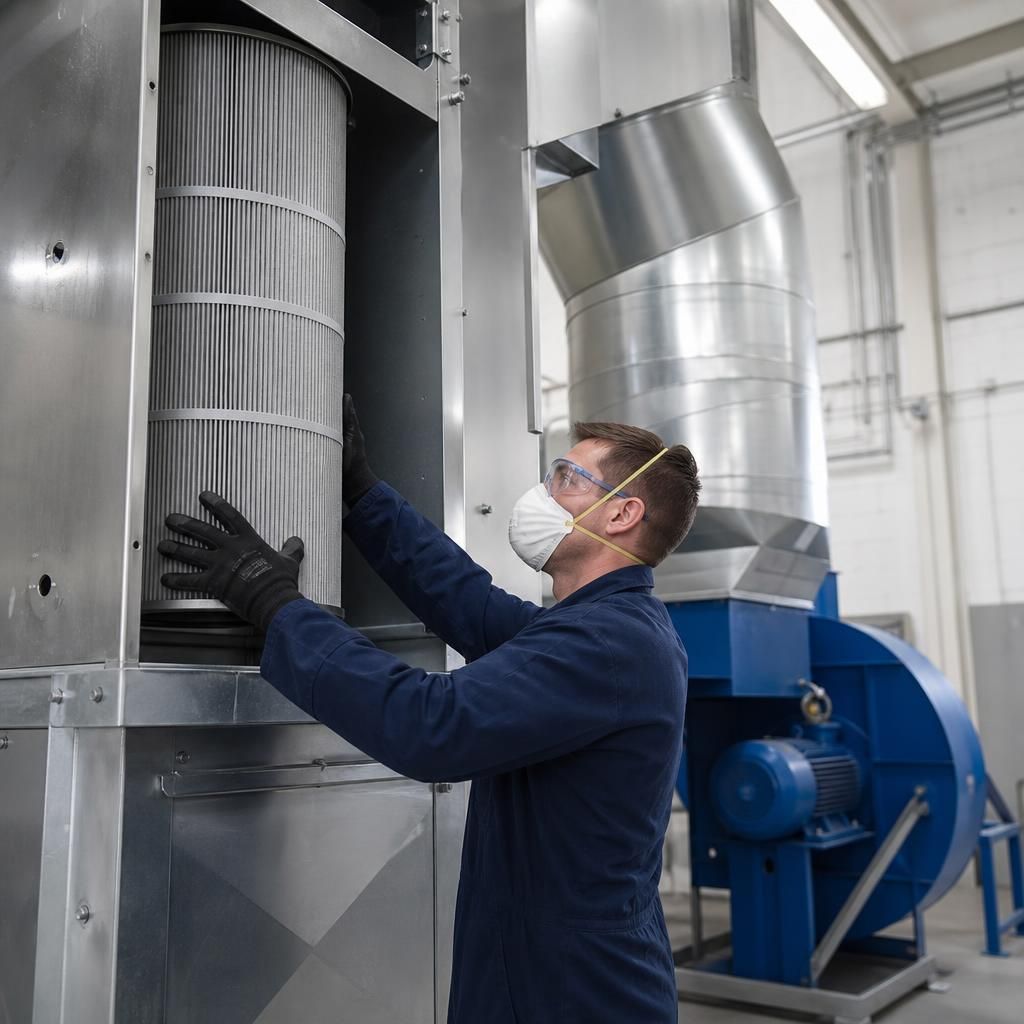
Environmental controls should cover emissions and discharge routes as well as solid waste. Extraction systems need to capture airborne powder effectively and release filtered air through a controlled route, while filters and ductwork should be inspected for damage, blockage or loss of performance. Any liquid from cleaning, rinsing or pre-treatment must be kept out of surface-water and foul drains unless the site’s documented arrangements and applicable permissions allow discharge. Checking these routes before production helps ensure that a clear or black finish is applied without transferring risk from the coating booth to the wider environment.