

What factors should be considered when selecting between clear or black powder coatings for specific industrial applications?
Selecting between clear and black powder coating depends on the required appearance, the condition and character of the metal substrate, exposure conditions, durability requirements and any application constraints. Clear coating preserves the underlying metal’s appearance, while black provides an opaque, uniform finish, so substrate preparation, coating compatibility and the intended service environment should guide the final choice.
The choice between clear and black powder coating should be based on the component’s functional role, the required visual result, thermal behaviour, inspection criteria, maintenance expectations and the specification of the complete coating system. Clear is generally selected when the underlying metal or a previous finish is intended to remain visible; black is selected when a consistent, opaque colour is more important than showing the surface beneath.
Define the visual specification. “Clear” does not describe one single appearance. It can be specified with different gloss levels, from highly reflective to more subdued finishes, and the result may vary according to the texture and colour of the underlying metal. A black coating can also be specified as matt, satin or gloss, with smooth or textured effects. The specification should therefore identify colour, gloss, texture and acceptable variation rather than simply stating “clear” or “black”.
Consider what will be visible after coating. Clear powder coating allows features such as brushing, polishing, weld patterns and surface variation to remain part of the finished appearance. This can be an advantage where the metal itself is an important design element, but it also makes preparation quality and visual consistency more significant. Black provides a stronger visual uniformity and can make small differences in the underlying metal less prominent, although it will not conceal dents, sharp edges, poor welds or contamination.
Assess thermal performance. Colour can affect how a coated component behaves in sunlight or near heat sources. Black surfaces generally absorb more radiant heat than lighter or transparent finishes, which may influence the component’s surface temperature and the performance of adjacent materials. Where a part has a defined operating temperature, thermal expansion, heat dissipation or touch-temperature requirement, the selected coating and its technical data should be reviewed alongside the design specification.
Check the coating system as a whole. The visible topcoat is only one part of the finished system. The primer, pre-treatment, powder chemistry, film thickness and curing conditions all affect the result. Clear and black finishes should not be treated as interchangeable alternatives if the specification calls for a particular corrosion-protection system, chemical resistance or mechanical performance. The coating supplier or applicator should confirm that the proposed finish is suitable for the complete system and the component’s intended use.
Allow for inspection and quality control. A clear finish may require more detailed inspection because marks, discolouration, uneven preparation and changes in the underlying surface remain visible. With black, inspection should focus on colour consistency, gloss, coverage, edge protection, inclusions and damage to the film. For repeat production, define the acceptable appearance and assess sample parts under consistent lighting, as gloss and texture can look different under workshop, daylight and display lighting.
Review geometry and edge detail. Corners, recesses, holes and assembled interfaces can affect powder coverage and the visual continuity of either finish. Clear coating may make variations around these areas particularly apparent, while black can emphasise a change in gloss or texture across different faces. Masking requirements, contact points and areas that must remain free of powder should be agreed before coating so that the finish does not interfere with assembly or electrical continuity.
Consider handling and maintenance. Black finishes can make dust, chalking, fingerprints and light scratches noticeable, especially where the surface is smooth and glossy. Clear finishes can show staining, clouding or changes in the appearance of the metal beneath them. The appropriate choice depends on how the part will be handled, cleaned and inspected, as well as whether cosmetic damage is acceptable. Cleaning instructions should suit the selected powder system; abrasive pads and aggressive chemicals can reduce gloss or mark the coating.
Compare repair and future alteration needs. Powder coating is a factory-applied finish, so local touch-up may not perfectly reproduce the original colour, gloss or texture. This is particularly relevant for visible components, access panels and products likely to be modified after manufacture. If future welding, drilling or machining is expected, identify those operations in advance and define how exposed areas will be protected and refinished.
Use the end-use specification to make the final decision. A clear finish is usually the more suitable option where the metal’s appearance must remain visible and its variation is acceptable. Black is usually more suitable where the design calls for an opaque, consistent colour, visual separation or a defined architectural or industrial appearance. Where both options appear technically suitable, compare approved samples against the actual component, review the relevant technical data and confirm the required gloss, texture, colour tolerance and inspection standard before production.
For manufacturers and fabricators, providing drawings, photographs, sample parts and details of use helps a powder coating specialist judge which finish is appropriate for the specific component. This is especially useful for batch work, where a clear and black coating may produce very different visual results even when applied to similar parts.
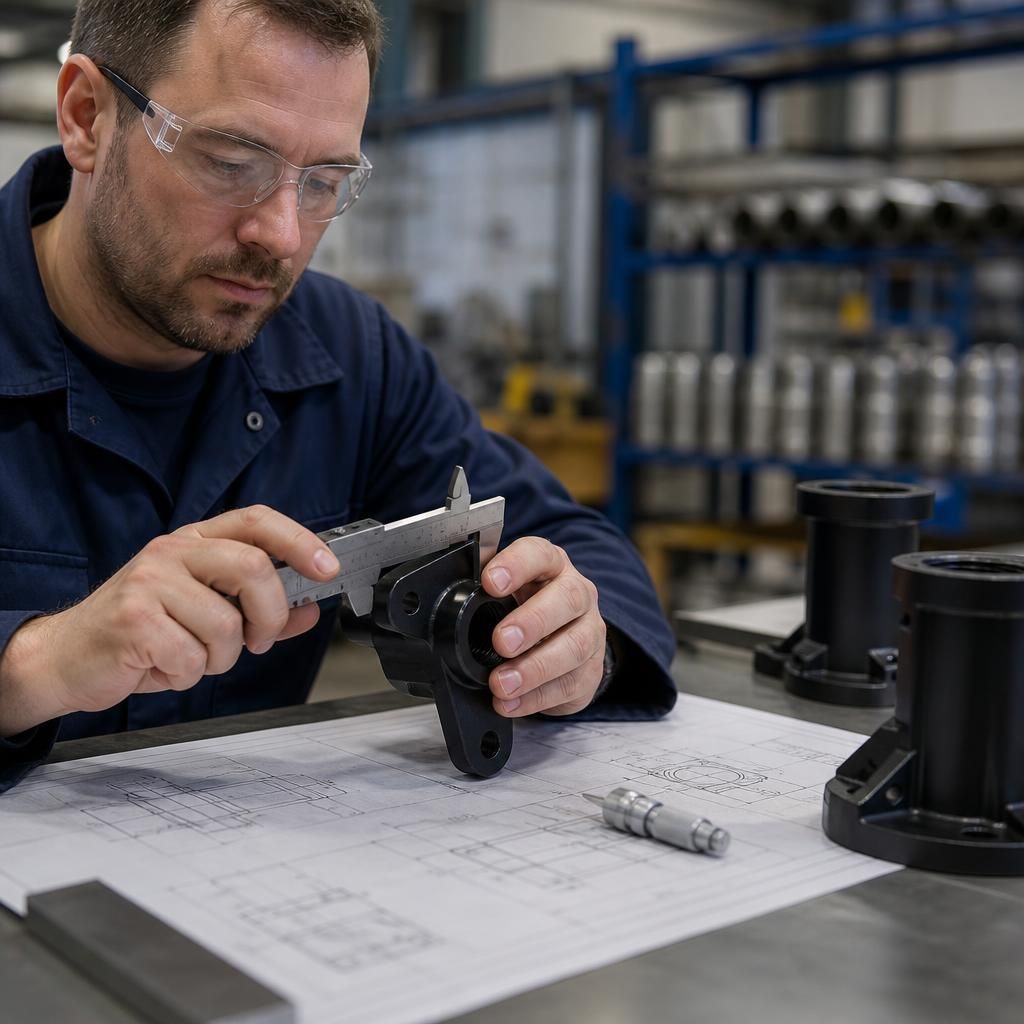
Dimensional tolerances should be reviewed before selecting either finish, particularly for components with threads, sliding fits, press fits or close assembly interfaces. Powder coating adds a film to the prepared surface, so coating thickness can affect how parts fit together regardless of whether the finish is clear or black. Drawings should identify areas that must remain uncoated, along with masking points and critical dimensions. This prevents the colour decision from creating problems during assembly or affecting the operation of moving and mating parts.
Discuss Your Clear or Black Powder Coating Requirements
Discuss your component, coating specification and intended operating conditions with our powder coating team to help determine whether a clear or black finish is the more suitable option. Drawings, photographs or sample parts can support an informed assessment before production.