

How can powder coating processes impact the longevity and durability of metal structures in various industries?
Powder coating can improve the longevity and durability of metal structures by forming a hard, uniform protective layer that helps resist corrosion, abrasion, impact and weathering. Its performance depends on suitable surface preparation, the correct coating system and application conditions for the structure’s environment.
Powder coating can extend the service life of metal structures by controlling the main causes of premature deterioration: moisture ingress, chemical attack, surface wear and damage to the substrate. The improvement is not determined by the powder alone. It results from the interaction between the metal, preparation method, coating specification, curing, component design and the conditions in which the finished structure will be used.
Corrosion protection begins with isolating the metal from its surroundings. Steel and other metals deteriorate when water, oxygen, salts or industrial contaminants reach the surface. A correctly applied coating reduces this contact and helps prevent corrosion from spreading beneath the finish. This is particularly important for fabricated frames, guards, brackets, enclosures, machinery parts and structural components exposed to outdoor or industrial conditions.
The coating system must be selected according to the exposure rather than appearance alone. A finish intended for an internal factory component may not be suitable for a coastal installation, a vehicle part exposed to road contaminants or equipment used around cleaning chemicals. Relevant considerations include:
- Whether the structure is used indoors, outdoors or in a humid environment.
- Exposure to salt, pollutants, solvents, oils, detergents or other chemicals.
- Expected contact with tools, machinery, foot traffic, impact or vibration.
- Ultraviolet exposure and the required colour and gloss retention.
- Operating temperatures and any repeated heating or cooling cycles.
- The type, thickness and condition of the underlying metal.
Surface preparation affects how long the coating remains effective. Oil, grease, mill scale, rust, dust and other contaminants can interfere with adhesion or leave defects beneath the finish. Preparation may involve cleaning, abrasive treatment, removal of corrosion and a suitable chemical pretreatment. The precise process depends on the substrate and the required level of protection. Sharp edges, welds, seams, recesses and drainage points also need attention because they can be more vulnerable than broad, accessible faces.
Component design has a direct effect on durability. Water trapped in unsealed joints or hollow sections can create corrosion that is not visible until the coating has already been compromised. Poorly designed edges can receive less coating than flat areas, while close-fitting parts may rub through the finish during assembly. Providing suitable drainage, avoiding unnecessary crevices and allowing access for preparation and application can therefore improve the practical life of the finished structure.
Curing converts the applied powder into a continuous finished film. The metal must reach the required process conditions for the coating to develop its intended properties. Insufficient curing can leave the finish weaker than specified, while excessive heat may affect appearance or the substrate. Large or complex components can present challenges because their thickness, shape and thermal mass may vary. Consistent application and process control are therefore important when coating batch-produced parts as well as larger fabricated structures.
The effect on longevity differs between industries because the forms of service damage are different. In construction, coated steelwork may need to withstand rain, condensation, handling and installation damage. Manufacturing equipment may encounter oils, cleaning agents, abrasion and repeated contact. Automotive components can experience stone impact, road salt, moisture and temperature variation. Agricultural and industrial equipment may face mud, fertiliser residues or aggressive cleaning regimes. In each case, the coating specification should reflect the actual exposure and not simply the intended colour.
Powder coating also supports durability by reducing routine surface deterioration. A sound finish can make metal components easier to clean and can reduce the number of areas where contamination becomes established. However, it is not a substitute for inspection. Scratches, impact points, blistering, lifting edges and changes in appearance should be identified before moisture reaches exposed metal. Damage caused during transport, installation or later maintenance may need local treatment or recoating, depending on its extent and the component’s importance.
For critical structures, a maintenance approach should include:
- Checking vulnerable edges, joints, fixings and areas subject to repeated contact.
- Removing deposits using a cleaning method that will not attack the coating.
- Investigating any bubbling, flaking or rust staining rather than covering it without preparation.
- Repairing impact damage in accordance with the requirements of the coating system.
- Reviewing the specification if the operating environment changes.
Powder coating is not suitable for every application. Continuous immersion, severe chemical exposure, extreme heat or substantial movement may require a different coating system, additional protection or a specialist specification. Compatibility between the substrate, pretreatment and powder should be confirmed before production, especially where galvanised metal, previously coated surfaces or repaired steel are involved.
When these factors are considered together, powder coating can make the useful life of metal structures more predictable and reduce the likelihood of early refurbishment or replacement. Its contribution comes from matching the coating system to the environment, preparing the metal properly, applying and curing the finish consistently, and maintaining the completed structure throughout its service life.
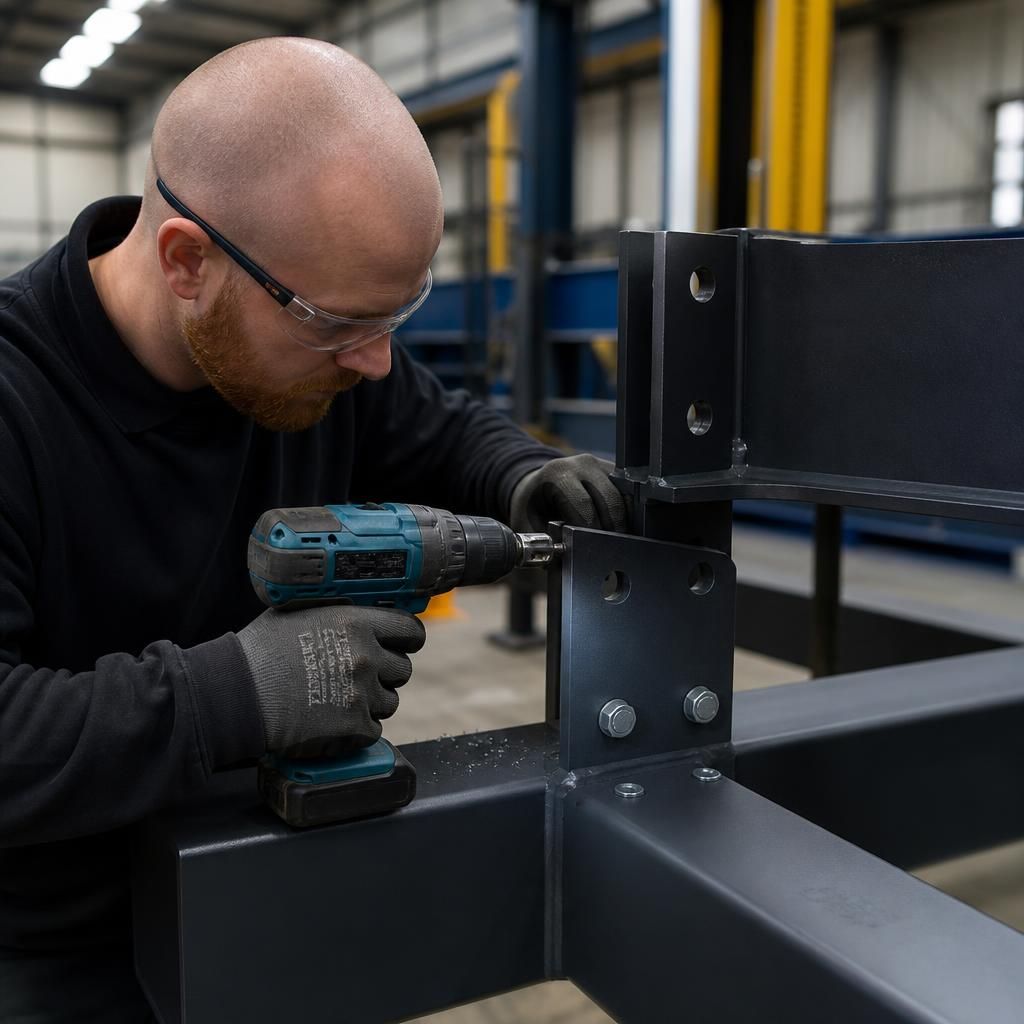
Post-coating fabrication and assembly can significantly affect the service life of a metal structure. Drilling, cutting, grinding or welding after powder coating exposes areas of bare metal or damages the surrounding film, creating potential entry points for moisture and contaminants.
Where modifications are unavoidable, exposed areas should be cleaned and treated with a compatible repair coating in accordance with the coating system’s requirements. Weld zones may also require particular attention because heat can alter or remove the surrounding finish. The repair should extend far enough beyond the damaged area to restore continuous protection rather than simply covering visible bare metal.
Fixings and interfaces deserve similar consideration. Bolted joints, washers, brackets and contact points can experience friction during assembly or movement in service, which may wear the finish. Crevices around these areas can also retain moisture. Reviewing the assembly sequence, protecting damaged edges and checking connection points during maintenance helps preserve the protective barrier across the complete structure, not just its easily accessible surfaces.