

What are the key benefits of using an epoxy primer for powder coating on stainless steel?
An epoxy primer helps powder coating adhere more reliably to prepared stainless steel while adding a protective barrier against corrosion and moisture. This can improve the durability and service life of the finished coating, provided the stainless steel is correctly cleaned and prepared first.
An epoxy primer provides a chemically compatible intermediate layer between prepared stainless steel and the powder topcoat. Its main value is that it makes the coating system more controlled: the primer is selected and applied for the stainless substrate, then the powder finish is applied over a consistent surface rather than directly over the metal.
Stainless steel presents particular preparation challenges because its surface is protected by a tightly adherent passive oxide layer. Oils, handling residues, weld discolouration, embedded iron and other contamination can also remain after fabrication. An epoxy primer does not remove these problems, but it can form part of a more dependable coating specification when the stainless steel has first been cleaned, suitably abraded or otherwise treated according to the coating manufacturer’s requirements.
- More consistent coating build: The primer creates a defined base layer before the decorative or functional powder coat is applied. This can help produce a more uniform overall film, especially on fabricated items with welds, edges, joints and varying surface textures.
- Improved system compatibility: A suitable epoxy primer is designed to accept the specified powder topcoat after the required curing or flash-off stage. This reduces the risk of relying on an unsuitable direct-to-metal combination, although compatibility should always be confirmed for the particular primer, powder and curing process.
- Additional protection at vulnerable areas: Welded sections, ground areas and places where the original stainless surface has been altered may behave differently from untouched sheet or tube. A correctly specified primer can help make these areas part of the same multi-layer coating system rather than leaving them dependent on the topcoat alone.
- Better coverage of a prepared surface: Epoxy primers can help provide a continuous base across small differences in surface texture created during fabrication and preparation. They cannot conceal heavy contamination, sharp burrs, deep scratches or poor workmanship, so the quality of the finished result still depends on the condition of the metal beneath them.
- Greater specification flexibility: Using a primer allows the coating system to be selected around the service conditions of the component. Factors such as indoor or outdoor exposure, contact with chemicals, abrasion, cleaning methods, appearance and operating temperature can be considered when choosing the primer and powder combination.
For stainless steel components, the preparation sequence is particularly important. Degreasing removes oils and processing residues, while suitable mechanical or chemical preparation helps create a surface that the coating system can key to. Abrasive media and equipment must be controlled carefully to avoid embedding contaminants or introducing ordinary steel particles, which can undermine the performance of the finished work.
The primer also needs to be applied at the specified film thickness and cured in accordance with its technical data. Excessive thickness, incomplete curing or contamination between coats can cause defects such as poor intercoat bonding, pinholing, blistering or loss of appearance. The powder topcoat must then be cured according to its own requirements, taking account of the component’s metal thickness and oven conditions.
There are limitations. Epoxy is generally selected for its protective and bonding properties rather than long-term resistance to direct ultraviolet exposure. Where the coated stainless steel will be exposed to sunlight, the outer powder coat should provide the required weathering performance, while the primer remains beneath it. A primer is also not a substitute for correct stainless-steel preparation, suitable edge treatment or inspection of welds and fabricated joints.
In practice, the benefit of epoxy primer is greatest when it is treated as one part of a complete coating specification. The stainless grade, fabrication condition, preparation method, primer chemistry, powder topcoat, cure schedule and expected service environment should all be considered together. This approach helps establish whether a primed system is appropriate and avoids selecting a primer solely because it is labelled for use on metal.
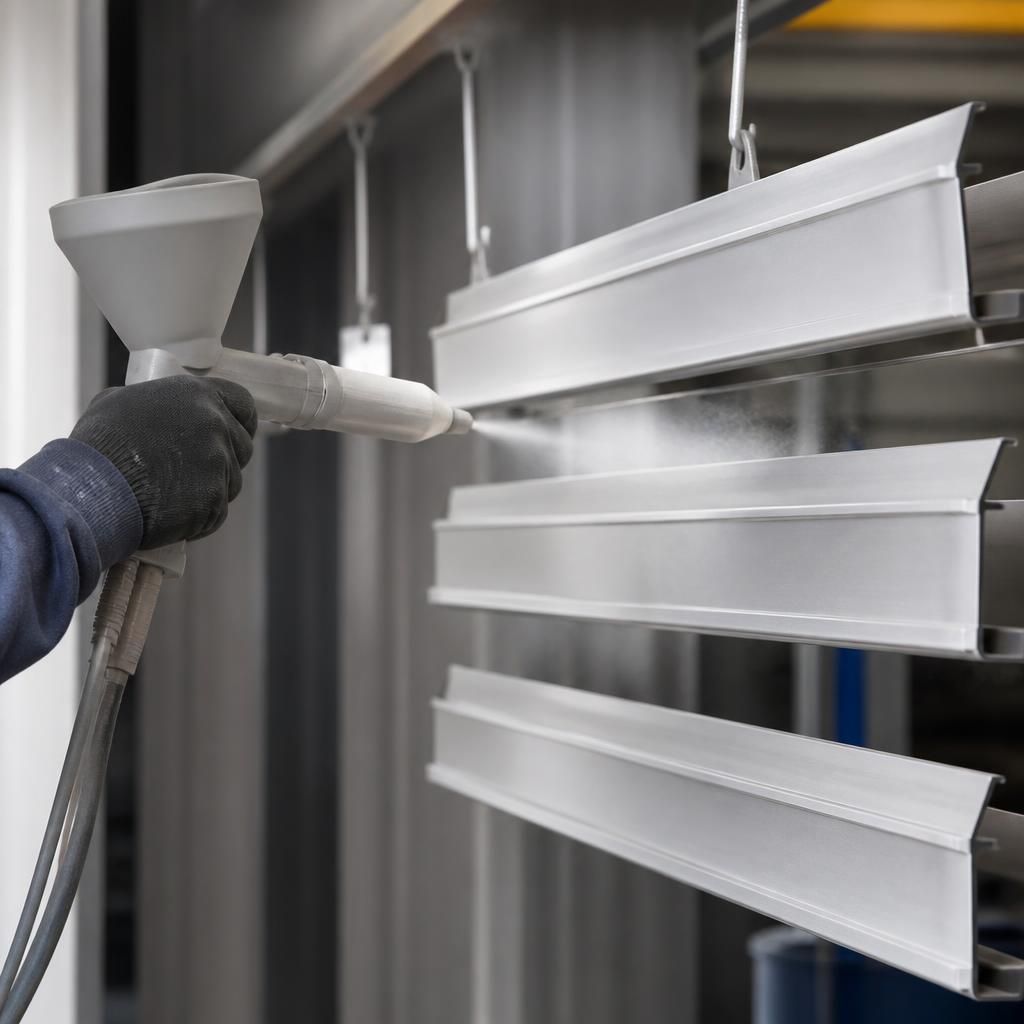
One practical benefit of epoxy primer is that it gives the coating specification a defined intermediate layer rather than making the powder topcoat responsible for bonding directly to stainless steel. This is particularly useful where the component’s fabrication history, surface condition or expected exposure makes a direct-to-metal system less suitable.
That benefit should be assessed against the complete coating design. A primer is not automatically required for every stainless-steel component: the stainless grade, preparation standard, powder chemistry and service environment should determine whether the additional layer is justified. When specified, the epoxy primer should be tested with the intended powder and curing process, rather than selected in isolation.
Discuss your stainless steel coating requirements
If you are assessing whether an epoxy primer is appropriate for a stainless-steel component, discuss the grade, preparation condition, service environment and intended powder topcoat with our team. We can help review the coating requirements and identify a suitable specification for your parts.