

What is the best blast media for rust removal on different types of metals?
The best blast media depends on the metal, the severity of the rust and the surface profile required: aluminium oxide, garnet or steel grit are suitable for rusted carbon steel, while glass bead or plastic media are safer choices for softer metals such as aluminium. For stainless steel and other non-ferrous metals, use clean, non-contaminating media to prevent embedded iron and surface damage.
The best blast media for rust removal is determined by the base metal, the depth of corrosion and the surface profile needed for the subsequent coating. Hard, angular media remove heavy rust efficiently from robust ferrous parts, whereas softer or finer media are preferable for aluminium, copper, brass, zinc and finished components that could be distorted, gouged or contaminated.
Carbon steel and structural steel
For heavily rusted carbon steel, angular aluminium oxide, garnet and steel grit are commonly considered. Aluminium oxide cuts through corrosion and leaves a pronounced profile, making it useful where a coating needs mechanical keying. Garnet provides effective cleaning with less ferrous residue than steel-based media. Steel grit is appropriate for robust components and larger fabricated parts where rapid removal and a defined profile are required.
The grade should match the condition of the steel. Coarse media can remove mill scale and tightly bonded corrosion, while finer grades are more suitable for light rust or a surface that already has an acceptable profile. Excessively aggressive media can create a rougher surface than the coating specification requires, so the blasting standard and coating system should be agreed before work starts.
Cast iron
Cast iron can tolerate firm abrasive cleaning, but its irregular surface and brittleness require control. Steel grit or angular mineral media can remove rust from substantial castings, while a less aggressive grade may be better for thin sections, machined faces or components with sharp edges. Blasting should not be used to compensate for oil or grease contamination; these substances need to be removed first, otherwise the abrasive can spread contamination across the surface.
Stainless steel
Stainless steel requires clean, non-ferrous or dedicated media. Garnet, aluminium oxide and suitable glass media can remove surface corrosion, depending on the required profile and the sensitivity of the component. Media previously used on carbon steel should not be used, as embedded iron particles may later produce discolouration or localised corrosion. Separate equipment, thorough cleaning and clear media segregation are important where stainless and mild steel are processed in the same facility.
Light surface staining may not require a highly aggressive abrasive. A finer medium can clean the affected area while reducing the risk of altering the stainless finish. The required appearance should therefore be specified alongside the level of corrosion removal.
Aluminium and other soft metals
Aluminium, magnesium and similar softer alloys can be marked or distorted by hard, angular abrasives used at excessive pressure. Glass bead, plastic media and other low-aggression options are generally more suitable where the objective is to remove light corrosion without cutting deeply into the substrate. Walnut shell can also be considered for delicate cleaning, although the selected medium must still be compatible with the coating and contamination requirements.
Aluminium oxide or garnet may be used on robust aluminium parts when a stronger profile is necessary, but pressure, nozzle distance and dwell time need close control. A small test area can confirm whether the chosen combination removes corrosion without producing an unacceptable texture or dimensional change.
Copper, brass and bronze
Copper-based alloys are relatively soft and can be scratched or distorted by aggressive steel grit. Glass bead, plastic media or a fine organic abrasive is usually more appropriate for light corrosion and surface cleaning. These metals may also show changes in colour or texture after blasting, so the required finish should be agreed in advance. Where powder coating is planned, the surface must be clean and suitably keyed without unnecessarily deep abrasion.
Galvanised steel and zinc
On galvanised or zinc-coated steel, the objective is often to remove corrosion products or prepare a sound surface without stripping away the protective zinc layer. A mild abrasive, low pressure and controlled passes are preferable to heavy steel grit. If the zinc coating is already damaged or consumed by corrosion, blasting alone will not restore the original protection; the repair and coating specification must address the exposed steel as well.
How to select the media
- Match hardness to the substrate: the abrasive must be hard enough to remove the corrosion but not so hard that it damages the underlying metal.
- Match shape to the task: angular particles cut rust and create a profile, while rounded particles clean more gently and produce a less aggressive texture.
- Consider particle size: coarse grades remove bonded corrosion efficiently; finer grades provide greater control on detailed or thinner components.
- Control blasting conditions: pressure, nozzle angle, distance and travel speed can change the result as much as the media itself.
- Prevent contamination: non-ferrous and stainless components need media that will not introduce embedded iron or other residues.
- Allow for the coating system: the finished profile must be suitable for the primer, powder coating or other specified finish. A profile that is too shallow may reduce adhesion, while one that is too deep can affect coverage and appearance.
Silica sand should not be selected simply because it is familiar. Respirable crystalline silica presents a serious health hazard, and abrasive blasting requires suitable controls, equipment and working practices. Safer alternatives such as garnet, glass, mineral or engineered media are normally assessed according to the substrate, corrosion level and required finish.
A practical selection process is to identify the metal, remove oil and grease, assess the corrosion, choose a starting media and carry out a controlled test. The cleaned area should then be checked for remaining rust, excessive roughness, embedded particles and distortion. For parts destined for powder coating, dust and abrasive residue must be removed and the surface protected from renewed contamination before coating. When the substrate or coating specification is uncertain, the blast media should be agreed with the person responsible for the final finish rather than chosen on rust removal alone.
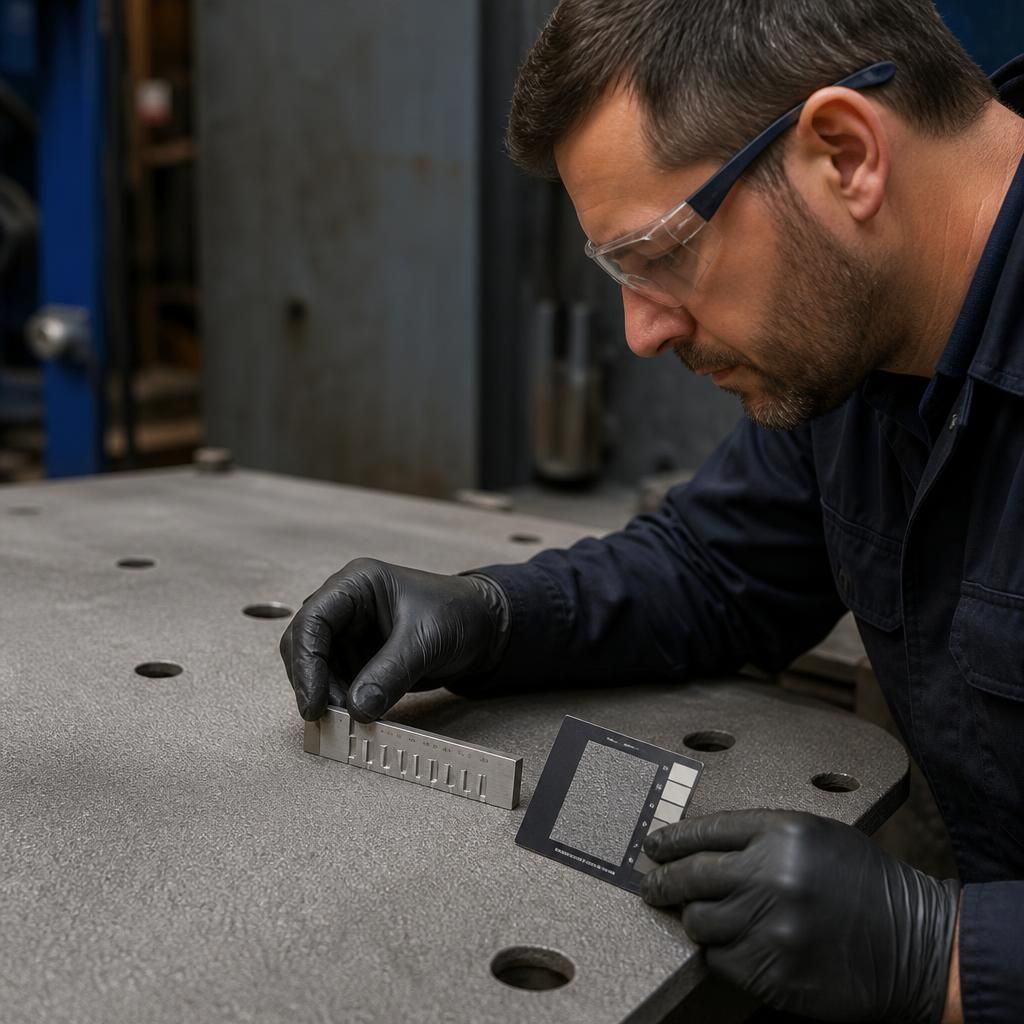
A blast-cleaned surface should be assessed by the profile it leaves, not solely by whether visible rust has been removed. The surface texture must provide sufficient key for the specified coating while remaining within the coating manufacturer’s acceptable range.
After blasting, inspect representative areas for consistent texture, remaining corrosion and signs of over-blasting. Surface-profile comparators or replica tape can help verify the result where a defined profile is required. This check is particularly useful on mixed batches, as differences in section thickness, geometry and corrosion severity can cause the same media and settings to produce different results.
Discuss the Best Blast Media for Your Metal Components
Discuss your metal components, corrosion condition and intended coating with the Powder-coatings.co.uk team to identify a suitable blast media and preparation approach. Collection and delivery options are available for businesses across the Midlands and surrounding areas.