

What types of metal components benefit most from high temperature and heat resistant powder coatings?
High temperature and heat resistant powder coatings benefit metal components exposed to sustained heat, thermal cycling or hot operating environments, including exhaust parts, heat shields, oven racks, industrial machinery components, pipes and fabricated steel assemblies. They are most suitable where the component’s operating temperature, substrate and required finish are compatible with the coating system.
The metal components that benefit most from high temperature and heat resistant powder coatings are those whose surfaces operate at elevated temperatures and need a durable finish without losing adhesion, protection or appearance. This includes components in heating, combustion, process-handling and automotive environments, provided the selected coating system matches the component’s actual service temperature and exposure conditions.
Heating and combustion equipment is a common application area. Burner housings, boiler casings, stove parts, flue-related components and heat-producing equipment can experience repeated heating and cooling. A suitable high temperature coating helps protect exposed metal from oxidation and provides a consistent finish where the component is not subject to direct flame or temperatures beyond the coating’s specification.
Industrial process equipment can also benefit where heat is combined with handling, abrasion or exposure to process residues. Examples include supports, guards, access panels, brackets and equipment frames located near heated production zones. These parts may not be the hottest items in a system, but their coating still needs to tolerate radiant heat, repeated thermal cycling and the surrounding industrial environment.
Automotive and transport components are suitable when they are positioned close to heat sources and require more than a conventional decorative finish. Under-bonnet brackets, mounting parts, protective covers and selected chassis components may be exposed to heat, road contamination, oils or cleaning chemicals. The coating specification should account for the combined effect of temperature, vibration, impact and chemical contact rather than temperature alone.
Metal parts used in electrical and mechanical equipment may require heat resistance where enclosed equipment generates sustained heat. Enclosures, mounting plates, motor-related covers and support hardware can benefit when the coating must retain adhesion and appearance during repeated operation. Powder coating is most appropriate where the component can be prepared and cured without affecting seals, bearings, fasteners or other heat-sensitive parts.
The component’s design is as important as its intended use. Deep recesses, sharp edges, threaded areas and close-fitting joints can affect powder coverage, curing and final assembly. Masking may be required on machined faces, earth points or threads, while drainage and venting should be considered for hollow fabrications. Parts that trap moisture or contaminants need suitable preparation before coating to reduce the risk of defects beneath the finish.
High temperature powder coating is not automatically the best option for every hot component. The following factors should be assessed before specifying a system:
- Actual metal temperature: measure or establish the component’s surface temperature in service, rather than relying only on the surrounding air temperature.
- Exposure pattern: continuous heat, intermittent heating and rapid thermal cycling place different demands on the coating film.
- Heat source: direct flame, concentrated radiant heat and hot gases may be more severe than evenly distributed oven or process heat.
- Substrate condition: steel, stainless steel, galvanised surfaces and previously coated parts require compatible preparation and coating selection.
- Additional contaminants: oils, fuels, solvents, salts, chemicals and abrasive dust can influence the choice of resin and pretreatment.
- Required finish: colour retention, gloss, texture and visual consistency may change as the coating is exposed to heat over time.
- Mechanical demands: impact, vibration, flexing and contact between components must be considered alongside temperature resistance.
Components with moderate-to-high heat exposure, repeated temperature changes and a requirement for a robust, cleanable finish are generally the strongest candidates. Parts subjected to direct flame, extreme temperatures or severe chemical attack may need a specialist coating technology other than standard powder coating, or a design that shields the coating from the most aggressive conditions.
Before processing, the component drawing or specification should identify operating temperature, peak temperature, heating duration, cooling cycle, substrate, surface preparation requirements and any areas that must remain uncoated. This information allows the coating system and application method to be assessed against the part’s real operating conditions rather than its general application category. Powder-coatings.co.uk provides specialist powder coating for business customers across the Midlands and surrounding areas, with collection and delivery options for suitable metal components.
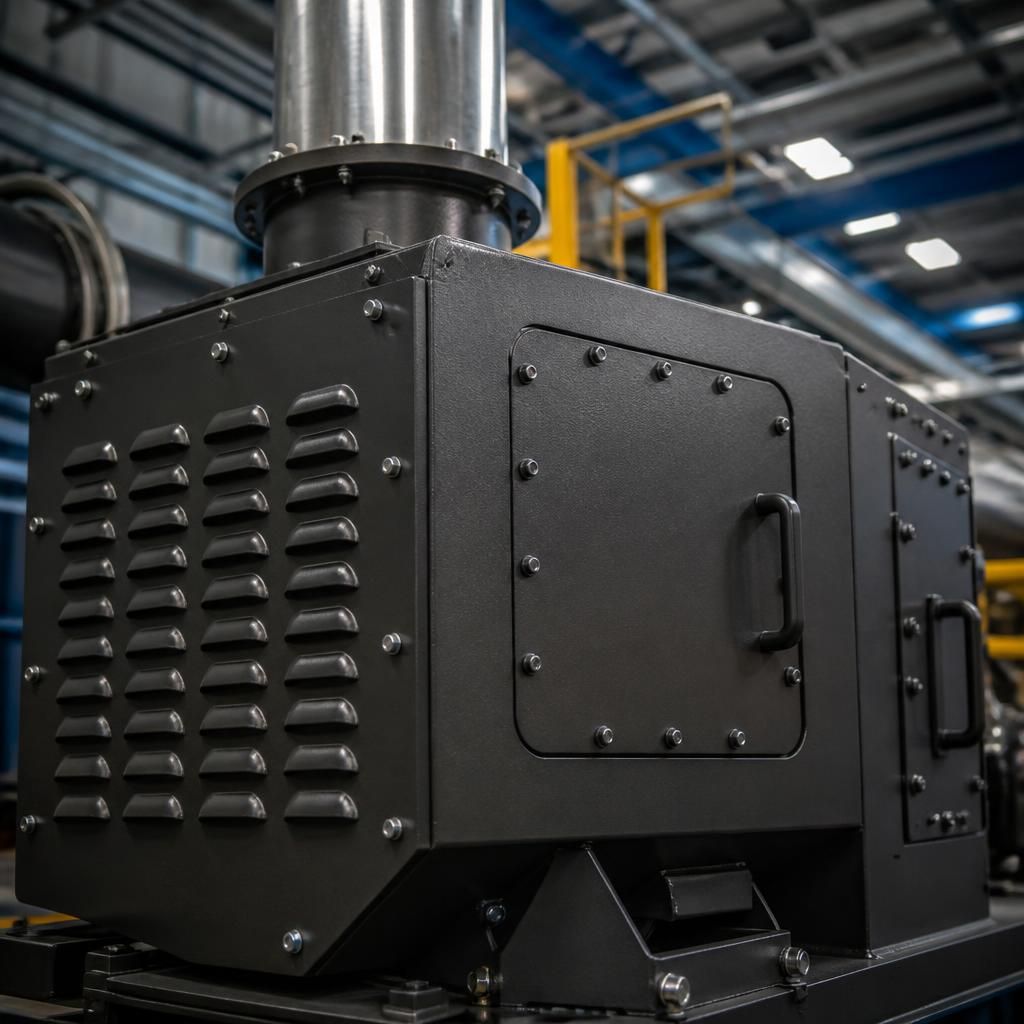
The most suitable components are often those where the coating sits on an external metal surface exposed to conducted or radiant heat, rather than in direct contact with a flame or hot process material. External casings, access covers, guards and support structures can therefore benefit from a heat-resistant powder coating when the surrounding assembly operates at an elevated but defined temperature.
This distinction is important because a component’s general purpose does not determine its coating suitability. Two parts used on the same machine may experience very different conditions: an outer support bracket may be suitable for powder coating, while a nearby burner-facing or flame-contact surface may require a different coating technology. Assessing the temperature at the coated surface helps identify which metal components are appropriate candidates.
Discuss Your Metal Components for High Temperature Powder Coating
Discuss your metal components with Powder-coatings.co.uk to assess whether a high temperature powder coating is suitable for their operating conditions, substrate and intended finish. Share the component details and relevant temperature information to begin reviewing the coating requirements.