

What are the environmental benefits of using powder coating for steel protection?
Powder coating can reduce the environmental impact of protecting steel because it produces very low volatile organic compound (VOC) emissions and creates less coating waste than many liquid systems. Its durable finish can also extend the service life of steel components, reducing the need for frequent recoating and replacement materials.
Powder coating can support a lower-impact approach to steel protection by reducing the environmental burdens associated with application, maintenance and disposal. Its environmental performance is strongest when the coating specification, surface preparation, curing process and waste controls are considered together rather than assessed in isolation.
Reduced reliance on solvent-based materials
Powder is applied as a dry coating material, so the process does not require the same liquid solvent carrier used by many conventional wet-paint systems. This can reduce the need to store, handle and dispose of solvent-containing materials and can limit associated risks such as contaminated cleaning materials and solvent-related air emissions. The benefit depends on the complete coating system, including primers, degreasers and any materials used during pre-treatment.
More controlled use of coating material
Electrostatic application helps powder adhere to the electrically grounded steel surface before curing. This supports controlled coverage and can make the application process more resource-efficient than methods where a larger proportion of liquid material is lost during spraying. In suitable production environments, unused powder can also be managed through appropriate recovery and waste procedures, although the practical benefit depends on colour changes, contamination and the equipment in use.
Fewer environmental risks from routine handling
Once cured, the coating forms a solid, stable film rather than leaving a wet layer that can run, drip or transfer during handling. This can simplify housekeeping around the coating area and reduce the likelihood of liquid coating entering drains or surrounding ground through spills. Appropriate extraction, storage and disposal controls are still necessary, particularly for powder deposits, pre-treatment chemicals and contaminated abrasive media.
Potentially lower lifecycle impact
The environmental assessment should include the energy and materials used throughout the component’s life. Powder coating requires an oven-curing stage, so electricity or fuel consumption is an important consideration. A well-planned process can reduce unnecessary energy use by matching the oven cycle and coating system to the component, loading work efficiently and avoiding repeated curing. Low-temperature or lower-energy systems may be suitable for some applications, but the required corrosion resistance and service conditions must not be compromised.
Steel protected with a cured powder coating can still enter established metal recycling routes at the end of its working life. The coating does not turn the steel into a non-recyclable material, although recyclers may need to account for the non-metallic coating during processing. Where environmental reporting is required, the coating specification, pre-treatment chemistry, energy source, transport and end-of-life route should all be included in the assessment.
Practical points for a lower-impact specification
- Select a coating system that matches the exposure conditions, rather than specifying unnecessary layers or excessive thickness.
- Confirm that the pre-treatment process is suitable and that chemical residues, rinse water and blasting media will be controlled responsibly.
- Ask how powder residues, rejected components and contaminated consumables are collected and disposed of.
- Consider curing requirements alongside the expected performance of the finished coating.
- Design components and batches for efficient preparation and application, reducing avoidable handling and rework.
Powder coating is therefore not automatically the lowest-impact option in every application. Its environmental advantage comes from combining a dry application method with controlled material use, responsible chemical management, efficient curing and a suitable end-of-life route for the steel component.
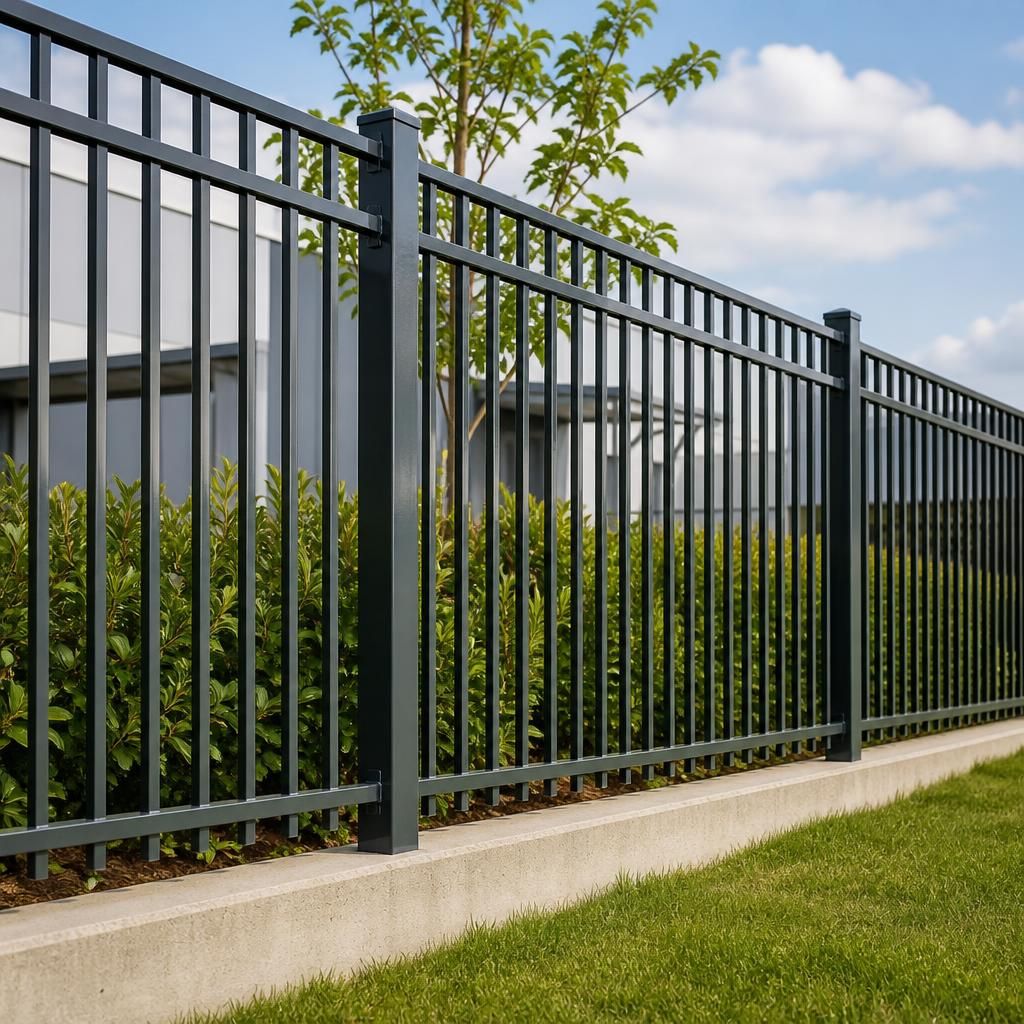
Environmental performance should be assessed over the period the steel component remains in service, rather than by comparing the application stage alone. A coating that provides suitable protection for the component’s actual exposure can avoid the material use, preparation and transport associated with premature refurbishment. This makes the coating specification important: resistance to moisture, chemicals, abrasion and outdoor weathering should be matched to the intended service conditions, without selecting a system that is unnecessarily complex for the application.
For industrial projects, useful evidence may include the coating product’s environmental information, the pre-treatment chemicals used, curing energy requirements and the proposed waste route. Reviewing these factors together gives a more reliable assessment than treating “powder coating” as an automatic indication of low environmental impact.
Ask about lower-impact steel protection
If you are assessing the environmental impact of protecting steel components, discuss the exposure conditions, coating specification and process requirements with Powder-coatings.co.uk. This can help you compare suitable powder coating options for your project across the Midlands.