

What is the difference between single-stage and multi-stage powder coating processes?
A single-stage powder coating process applies and cures one powder coat layer, while a multi-stage process uses two or more coating stages, which may include separate primers, basecoats or topcoats with curing between layers. Multi-stage coating can provide additional protection or performance characteristics, whereas single-stage coating is generally suited to components where one correctly specified finish meets the service requirements.
The main difference is the level of performance engineered into the finish. A single-stage system uses one coating formulation to provide the required appearance and protection, while a multi-stage system combines compatible layers so that each performs a particular function. The right choice depends on the component’s substrate, operating environment, required durability, appearance and production constraints rather than on the number of coats alone.
What a single-stage process involves
After the metal has been prepared and pre-treated, one powder formulation is applied and cured to form the finished film. The powder may be selected for properties such as corrosion resistance, weathering performance, chemical resistance, flexibility, hardness or decorative appearance. The application and curing conditions must suit both the powder and the metal component.
A single-stage process is often appropriate where one coating can meet the full specification. It has a relatively straightforward process route, with fewer opportunities for defects between coating layers and less handling during production. It can also simplify colour and gloss control, particularly where a consistent finish is required across a batch of similar parts.
However, one formulation cannot always provide the best combination of properties. A coating selected for appearance may not offer the same level of corrosion protection as a dedicated primer system, while a highly protective formulation may not provide the required flexibility, texture or chemical resistance. If the component faces severe exposure or has demanding performance requirements, a single-stage finish may be unsuitable even when the surface preparation is correct.
What a multi-stage process adds
A multi-stage powder coating process uses two or more compatible coating layers. Each layer can be specified for a separate purpose, such as improving adhesion, sealing the substrate, increasing corrosion protection, creating a particular colour or texture, or protecting the underlying coating from weathering and chemicals.
A common arrangement is a primer followed by a topcoat. The primer is selected to bond effectively to the prepared metal and provide an additional barrier against corrosion. The topcoat then supplies the visible finish and may add resistance to ultraviolet exposure, abrasion, chemicals or handling damage. Other systems may use a specialised basecoat and a clear or protective topcoat where appearance, depth of finish or surface protection is important.
Individual layers may be gelled, partially cured or fully cured before the next layer is applied, depending on the powder system and the manufacturer’s technical requirements. The intervals, temperatures and sequence must be controlled carefully. Incompatible powders, incorrect curing or contamination between stages can reduce adhesion and cause defects such as lifting, blistering, pinholing or uneven gloss.
Advantages of single-stage coating
- There is a simpler coating route with fewer application and curing operations.
- Less handling can reduce the risk of impact damage or contamination between layers.
- It is usually easier to maintain one consistent colour, gloss level and texture.
- It can be a practical option for indoor components or applications with moderate environmental exposure, provided the coating is correctly specified.
- It avoids the additional material and process controls associated with a primer-and-topcoat system.
Advantages of multi-stage coating
- A primer and topcoat can provide a more robust barrier system than one general-purpose layer.
- Different layers can be matched to different risks, including corrosion, ultraviolet exposure, abrasion and chemical contact.
- The visible topcoat can be selected for appearance without requiring it to provide every underlying protective function.
- Additional layers may help protect complex or demanding components where long-term exposure is a significant concern.
- The system can be adapted for specialist requirements, including high-temperature service, protective applications or particular substrate conditions, where compatible products are available.
Limitations and process considerations
Multi-stage coating is not automatically better in every application. Each additional layer introduces another interface that must bond correctly. The metal must be clean and suitably prepared before the first coating is applied, and the surface between stages must remain free from dust, oil, moisture and handling marks. Edges, recesses, welds and areas with difficult access also need attention because coating thickness and coverage can vary in these locations.
Layer compatibility is essential. A topcoat must be designed to work with the primer or basecoat beneath it, and the complete system must be cured according to the specified schedule. Excessive film thickness can affect appearance, edge coverage and mechanical performance, while insufficient thickness may leave the substrate inadequately protected. For this reason, a multi-stage process requires controlled application parameters and inspection of the completed system, not simply an additional pass through the coating equipment.
Single-stage systems have their own limitations. They place all the required functions on one powder formulation, so the coating must be capable of meeting the complete specification. A single layer also provides less opportunity to separate corrosion protection from decorative requirements. The fact that a component has been powder coated does not, by itself, confirm that the finish is suitable for outdoor exposure, immersion, heavy abrasion or contact with aggressive chemicals.
How the choice affects different components
For a component used in a controlled indoor environment, a correctly specified single-stage polyester or epoxy-based system may be sufficient, depending on the required appearance and service conditions. Components exposed to weather, road contamination, industrial pollutants or repeated handling may need a more carefully selected system and, in some cases, a primer and topcoat combination.
Substrate selection also matters. Steel, galvanised steel, aluminium and other metals can require different preparation methods and coating specifications. A process suitable for one substrate may produce poor adhesion or premature failure on another. Castings, fabrications with welds, perforated parts and assemblies with narrow gaps may require particular attention to outgassing, drainage, coverage and curing.
How to decide between the two processes
- Define the service environment, including indoor or outdoor exposure, moisture, salt, chemicals, heat, abrasion and ultraviolet light.
- Identify the substrate and any preparation requirements, including welds, cast surfaces, previous coatings or galvanised areas.
- Set the required appearance, such as colour, gloss, texture, edge coverage and acceptable cosmetic variation.
- Confirm the required mechanical and protective performance rather than selecting a system based only on appearance.
- Check that the proposed powders are compatible and that the component can be handled, coated and cured without damaging earlier layers.
- Consider batch size, component dimensions, masking requirements and the effect of additional processing stages on production control.
In practical terms, single-stage coating is normally selected when one well-matched powder can satisfy the specification efficiently. Multi-stage coating is selected when the component needs separate layers to address different risks or when a single formulation cannot provide the required balance of protection and appearance. A coating specialist can assess the metal, intended use and exposure conditions before recommending the appropriate powder system and process sequence.
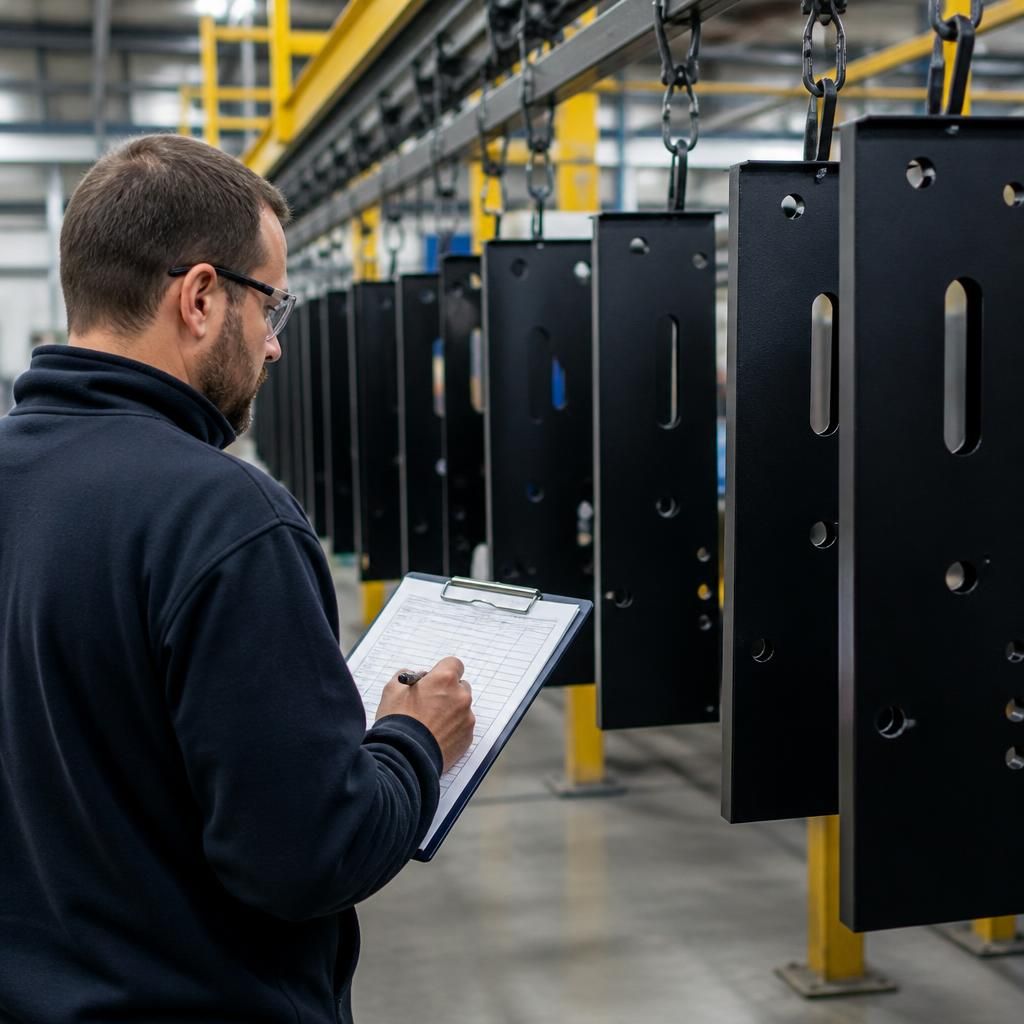
When comparing coating quotations or technical specifications, check what “stage” refers to. A multi-stage pre-treatment line may include cleaning, rinsing and conversion treatment before powder is applied, but this does not necessarily mean the component has a multi-layer powder coating. The relevant comparison is whether the finished coating uses one powder layer or separate compatible primer, basecoat and topcoat layers. Confirming this distinction helps avoid comparing different process descriptions as though they define the same coating system.
Discuss Your Single-Stage or Multi-Stage Powder Coating Requirements
Discuss your component specifications and service conditions with the powder-coating.co.uk team to identify whether a single-stage or multi-stage system is appropriate. Provide details of the metal substrate, intended use and finish requirements for an informed coating recommendation.